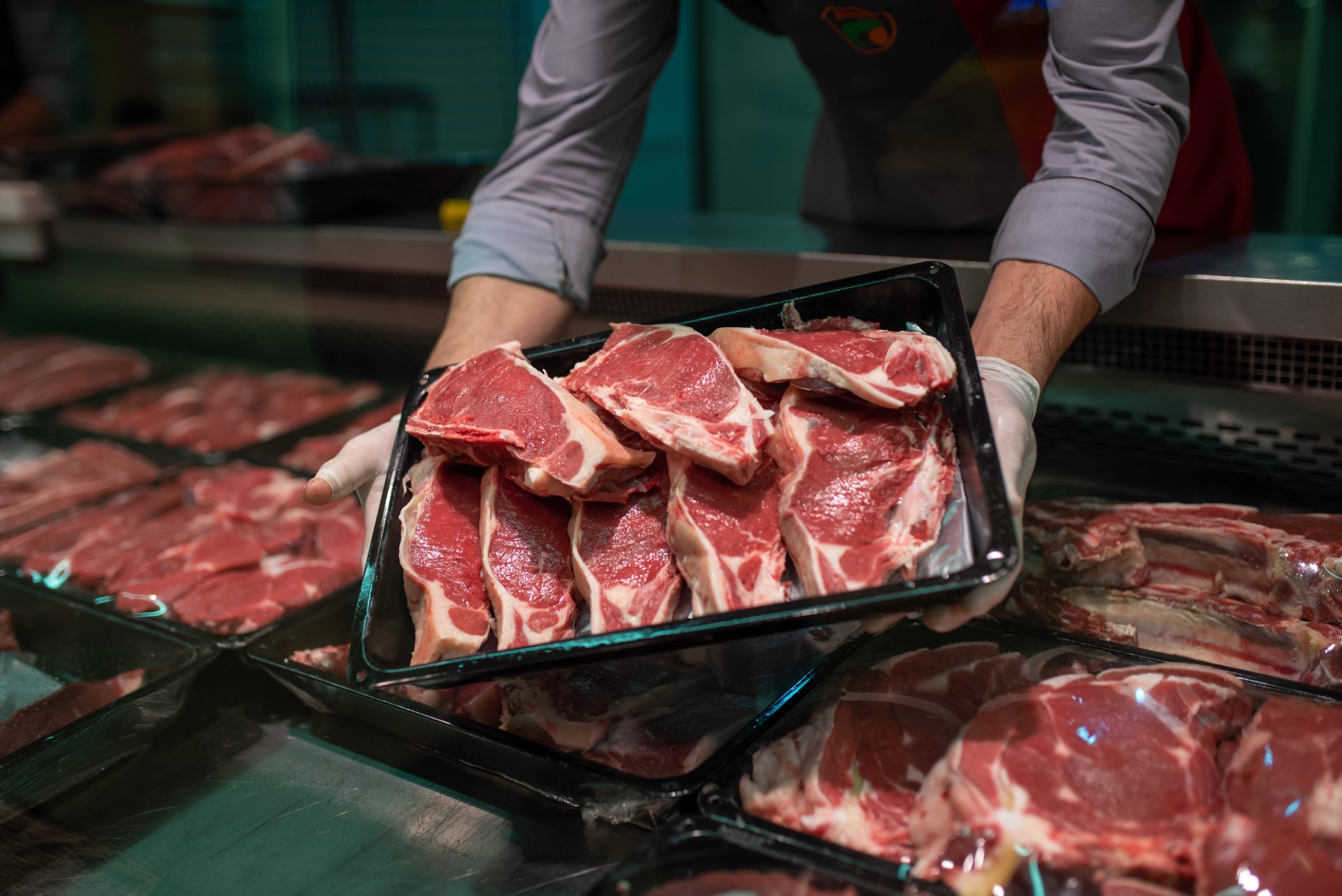
Red meat has been in a the news a lot lately with the updated food pyramid presented by RFK junior. These new dietary guidelines call for less sugar and processed food, but more protein, specifically from red meat. We will look at the research surrounding the health implications surrounding increasing intake of red meat and the differences between processed and unprocessed meat. For years, meat has been painted with a broad brush as “unhealthy.” But the scientific evidence shows a big difference between unprocessed meat and processed meat — and it’s the processed version that consistently shows stronger ties to chronic disease.
Processed meats are modified to prolong shelf life and enhance flavor — through curing, smoking, salting, or adding preservatives like nitrites and nitrates. Typical examples include bacon, sausages, hot dogs, deli meats, and pepperoni.
These additives can form carcinogenic compounds (like N-nitroso compounds) during cooking and digestion, which is one mechanism linked to cancer risk. (The Nutrition Source)
The World Health Organization (WHO) classifies processed meat as a Group 1 carcinogen, meaning there is convincing evidence it increases cancer risk — especially colorectal cancer. (The Nutrition Source)
Large meta-analyses of cohort studies show that higher processed meat intake is significantly associated with elevated risks for several cancers, including colorectal, colon, rectal, and lung cancers. (PubMed)
Systemic inflammation has been shown to be a contributing factor in chronic disease and processed foods have been tied to increased inflammation.
Prospective research shows that processed meat intake is linked to higher incidence of cardiovascular disease (CVD), while unprocessed meat often shows a weaker or no association when factors like diet and lifestyle are accounted for. (SpringerLink)
One analysis reported that processed meat is more strongly tied to heart disease than unprocessed red meat in large cohorts across Europe, with processed meat showing a significant positive association with CVD risk but unprocessed meat showing little to no association. (SpringerLink)
Processed meats often contain much higher sodium and chemical preservatives than fresh meats — and high sodium, in particular, is linked to elevated blood pressure and cardiovascular risk. (PubMed)
Many processed meats also include nitrites/nitrates that can form harmful compounds when heated or digested. (The Nutrition Source)
Unprocessed meat refers to fresh cuts of beef, pork, lamb, chicken, turkey, fish, and other seafood that haven’t been cured or chemically altered.
Randomized clinical studies — the strongest design in nutrition research — indicate that moderate amounts of unprocessed beef have no significant impact on key cardiovascular risk factors like blood pressure and cholesterol when eaten as part of a balanced diet. (Global Cardiology Academy)
A comprehensive systematic review found only weak or inconsistent evidence linking unprocessed red meat consumption with major chronic disease outcomes like colorectal cancer, heart disease, or stroke. (Health Data)
In large observational studies, processed meat intake consistently carries higher risk estimates for CVD and diabetes compared to unprocessed meats. (PubMed Central)
For example, one influential meta-analysis found processed meat consumption associated with ~42% higher risk of coronary heart disease per 50 g/day increase, while unprocessed meat showed no significant association. (PubMed Central)
Some cohort evidence does show modest positive associations between unprocessed red meat and CVD when large populations are analyzed, but the risk magnitude is typically much smaller than that for processed meats. (OUP Academic)
The broader dietary pattern is also important — diets rich in vegetables, fruits, whole grains, and healthy fats are consistently associated with better health outcomes, while ultra-processed foods (including processed meats, refined grains, and sugary snacks) are linked to worse health outcomes overall. (The Australian)
If you enjoy meat, the science suggests:
✔ Favor unprocessed meats like fresh cuts of beef, pork, chicken, and fish
✔ Limit or avoid processed meats such as bacon, sausages, and deli slices
✔ Balance meals with whole, minimally processed foods — vegetables, legumes, whole grains, and healthy fats
This approach aligns with the current evidence: it’s not meat in general that’s the problem — it’s the processing that increases chronic disease risk.
Research consistently links processed meat to cancer and cardiovascular risk, likely driven by added preservatives, sodium, and chemical byproducts of processing. By contrast, unprocessed meat — eaten in moderation as part of a balanced diet — shows less consistent or much smaller associations with chronic disease. Here is the rub, how many people, Americans particularly, consume meat in moderation and what exactly is a moderate intake of meat?
I agree with the research that shows that humans survived partially due to our ability to adapt to a variety of different food sources. I believe that we were designed to have a omnivore's diet, but I also believe that meat was scarce and our bodies adapted to use it as a fuel source on the occasion that we were luckily enough to catch prey. I don't imagine our distant ancestors waking to a plate of bacon each morning to start their day.
Time and time again, the Mediterranean diet has been shown to one of the healthiest diets available to us. The mediterranean diet does not eliminates meat, but does limit it.
I understand that a lot of people have very strong feelings about diet and in particularly meat consumption. I also understand that there is a significant environmental burden associated with meat production. In addition, I am not suggesting that the new dietary guidelines proposed by the administration are accurate or correct. I am saying that I do believe that there is a place for meat in our diet, but in moderation.
I am curious of other thoughts on this topic. Please share, but keep it respectful 🙂