
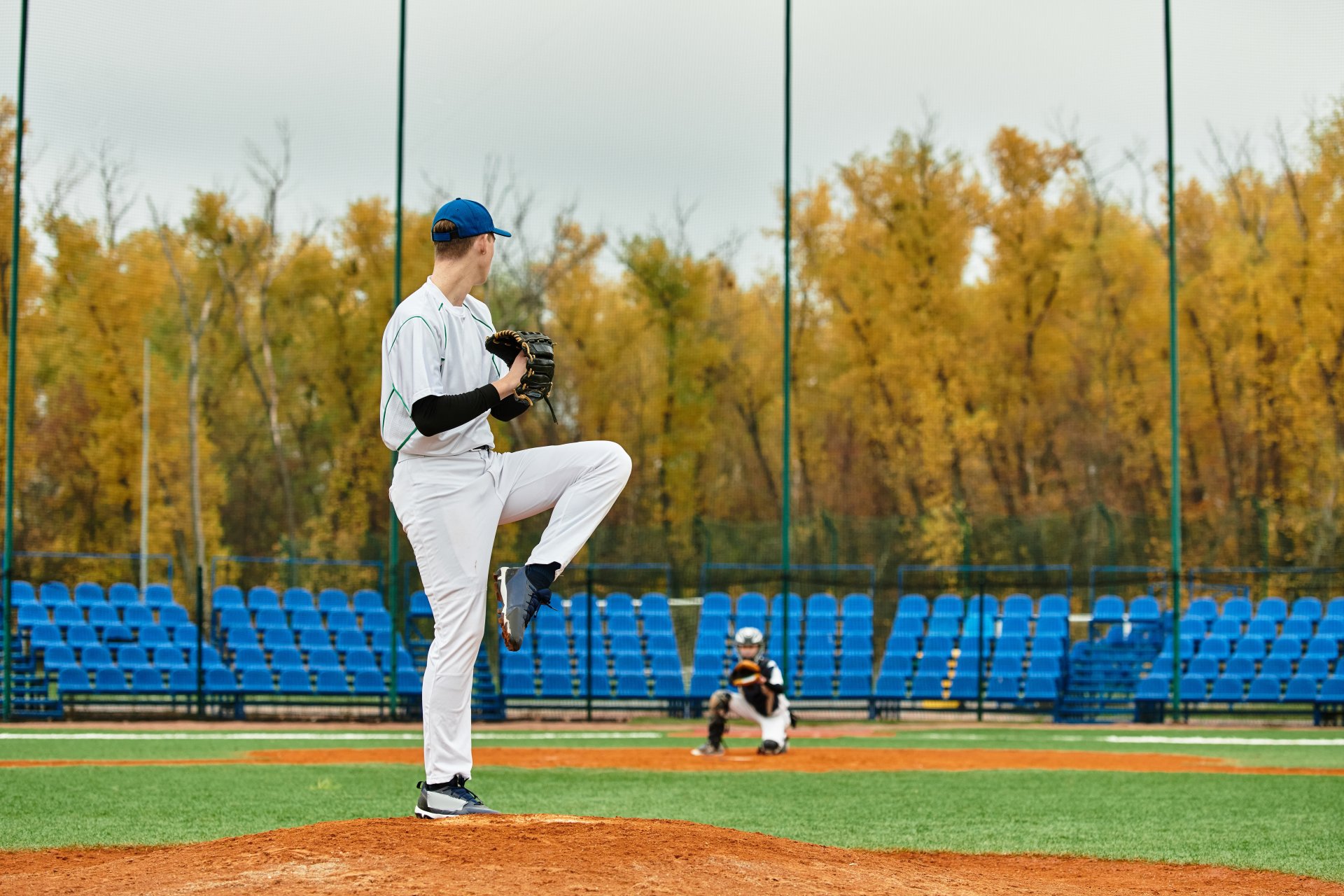
Youth baseball has become more competitive than ever. Many young athletes now play year-round, participate on multiple teams, and spend countless hours practicing throwing, pitching, and hitting. While this increased dedication can improve skill development, it also places growing stress on the body—especially the shoulder.
One of the most overlooked factors in preventing shoulder injuries in youth baseball players is thoracic mobility.
The thoracic spine, or mid-back, plays a critical role in throwing mechanics and overall shoulder function. When mobility in this area becomes restricted, the shoulder often compensates by taking on more stress than it was designed to handle. Over time, this can lead to pain, overuse injuries, and decreased performance.
Fortunately, improving thoracic mobility and addressing movement restrictions early can help young athletes stay healthier throughout the season. Chiropractic care can be an effective part of that prevention strategy.
The thoracic spine is the middle portion of the spine located between the neck and lower back. It consists of 12 vertebrae and is designed to provide rotation, extension, and stability for the upper body.
Thoracic mobility refers to how well this region can move through its normal range of motion, especially during rotational activities like throwing and swinging.
In baseball, proper thoracic movement is essential because power is generated from the ground up. During a throw, force travels through the legs, hips, torso, shoulder, arm, and finally into the baseball. If one area of the chain is restricted, another area must compensate.
In many cases, that compensation happens at the shoulder.
Young athletes are especially vulnerable to mobility restrictions and overuse injuries for several reasons:
Throwing hundreds of pitches and long tosses each week can place significant stress on developing joints and muscles. Without adequate recovery and mobility, the body begins to tighten and compensate.
Many kids spend hours sitting in school, gaming, or using phones and tablets. This often contributes to rounded shoulders and stiffness in the thoracic spine, limiting rotation and extension.
During growth spurts, muscles and joints may temporarily lose flexibility and coordination. Young athletes may suddenly develop mobility limitations that affect mechanics and increase injury risk.
Playing baseball year-round without enough rest or cross-training can lead to repetitive stress patterns and reduced overall athletic movement quality.
When the thoracic spine cannot rotate or extend properly, the shoulder is forced to work harder during throwing motions.
The rotator cuff muscles help stabilize the shoulder during throwing. Limited thoracic mobility often causes these muscles to compensate excessively, leading to fatigue and irritation.
Restricted mid-back movement can reduce trunk rotation and affect arm positioning during pitching or throwing. Poor mechanics increase stress on the shoulder and elbow over time.
The shoulder blade depends on proper thoracic positioning to move efficiently. When the thoracic spine becomes stiff, the scapula may not function properly, which can contribute to shoulder impingement and instability.
Mobility restrictions not only increase injury risk but can also reduce throwing velocity, power, and overall athletic performance.
Parents, coaches, and athletes should watch for signs that may indicate thoracic stiffness or movement dysfunction, including:
Addressing these issues early may help prevent more serious injuries later.
Chiropractic care can be a valuable tool for improving thoracic mobility, supporting healthy movement patterns, and reducing stress on the shoulder.
A sports-focused chiropractor evaluates how the body moves as a whole, not just where pain is occurring. This approach can help identify restrictions and imbalances before they develop into larger problems.
Chiropractic adjustments may help restore normal motion in restricted joints of the thoracic spine. Improved mobility can reduce compensation patterns and allow the body to rotate more efficiently during throwing.
When the thoracic spine moves properly, the shoulder blade and shoulder joint can function more efficiently. This may reduce strain on the rotator cuff and improve overall movement quality.
Youth baseball players often develop tight chest muscles, stiff upper backs, and asymmetrical movement patterns from repetitive throwing. Chiropractors may incorporate soft tissue therapy, stretching, and corrective exercises to address these issues.
Regular chiropractic care may help young athletes:
In addition to chiropractic treatment, youth athletes should consistently perform mobility exercises to maintain healthy movement.
Check out these Top 10 exercises for thoracic mobility
Preventing shoulder injuries in youth baseball players requires more than just resting when pain appears. It requires addressing movement quality, mobility, recovery, and mechanics before injuries occur.
Thoracic mobility is a critical piece of that puzzle.
When young athletes can rotate and move efficiently through the mid-back, the shoulder experiences less unnecessary stress during throwing. This not only reduces injury risk but also helps improve athletic performance and longevity in the sport.
Thoracic mobility is one of the most important factors in maintaining shoulder health for youth baseball players. Restricted movement in the mid-back can force the shoulder to compensate, increasing the risk of overuse injuries and mechanical breakdown over time.
By improving thoracic mobility through stretching, movement training, and chiropractic care, young athletes can move more efficiently, throw with less stress, and stay healthier throughout the baseball season.
For parents and coaches looking to support long-term athletic development, prioritizing mobility and movement health early can make a major difference in both performance and injury prevention.




