When most people think of going to the chiropractor a common assumption is the spinal/extremity joint adjustment will occur. What most new patients that come into our office don’t know is what we have to offer outside of the treatment that the doctor provides. Below is a list of several modalities/treatments that we also offer in addition to the adjustment how they are beneficial!
Intersegmental traction(roller table)
Intersegmental traction, also known as roller table therapy or spinal mobilization therapy, is a therapeutic technique commonly used in chiropractic offices to help improve spinal health and alleviate musculoskeletal issues. It involves the use of a special table with moving rollers that gently mobilize and stretch the spine. Here's why intersegmental traction is beneficial in a chiropractic office:
- Promotes Spinal Health: Intersegmental traction is designed to gently mobilize and stretch the spinal segments, which can help improve the health and flexibility of the spine. It can be particularly helpful for patients with conditions like subluxations (misalignments), spinal joint dysfunction, and spinal stiffness.
- Increases Spinal Motion: The gentle stretching and mobilization provided by intersegmental traction help increase the range of motion in the spine. This is beneficial for patients who may have restricted movement in their spine due to injuries or chronic conditions.
- Relaxes Muscles: The rolling action of the table's rollers can help relax and loosen the muscles that surround the spine. This muscle relaxation can make chiropractic adjustments and spinal manipulations more effective, as it allows for easier and less painful adjustments.
- Promotes Circulation: Intersegmental traction can enhance blood circulation in the spinal tissues, facilitating the delivery of oxygen and nutrients to the discs and surrounding structures. Improved circulation can aid in the healing process and reduce inflammation.
- Reduces Pain: Many patients experience pain relief with intersegmental traction. By promoting spinal mobility and relaxation of the supporting muscles, it can help alleviate discomfort associated with conditions like back pain, neck pain, and disc herniations.
- Adjunct to Chiropractic Adjustments: Chiropractors often use intersegmental traction as a preparatory or complementary therapy to manual adjustments. The improved spinal mobility and muscle relaxation achieved through traction can make adjustments more comfortable and effective.
- Enhances Patient Comfort: Intersegmental traction is a non-invasive and painless procedure. Patients typically lie on the table fully clothed, and the gentle rolling motion can be soothing and relaxing, making it a comfortable experience for many.
- Customizable Treatment: Chiropractors can adjust the settings of the traction table to suit each patient's specific needs and condition. This customization ensures that the treatment is safe and effective for the individual.
Electric Stimulation (E-Stim)

Electric stimulation, also known as electrical muscle stimulation (EMS) or electrotherapy, is a common modality used in chiropractic and physical therapy settings to help manage pain, promote healing, and improve muscle function. It involves the application of low-level electrical currents to the body through electrodes placed on the skin. Here's why it is beneficial in a chiropractic setting:
- Pain Management: Electric stimulation can help alleviate pain by interfering with the transmission of pain signals to the brain. It can provide relief for acute and chronic musculoskeletal pain conditions, such as back pain, neck pain, and joint pain.
- Muscle Relaxation: EMS can induce muscle relaxation, which is particularly useful in chiropractic care. Relaxed muscles are easier to work with, making chiropractic adjustments and manipulations more effective and comfortable for the patient.
- Muscle Rehabilitation: Electric stimulation can be used to strengthen and rehabilitate weakened or injured muscles. This is crucial for patients recovering from injuries or surgeries, as well as those with muscle imbalances.
- Reducing Inflammation: Some forms of electric stimulation may help reduce inflammation by increasing blood flow to the affected area. Inflammation is often a contributing factor to pain and discomfort.
- Enhanced Circulation: EMS can promote blood circulation, which is essential for delivering oxygen and nutrients to the affected tissues, aiding in the healing process.
- Reduction of Muscle Spasms: Electric stimulation can help reduce muscle spasms, which are common in musculoskeletal conditions. By relaxing the muscles, it can alleviate the discomfort associated with spasms.
- Improved Nerve Function: Electric stimulation can stimulate nerve pathways, potentially helping with nerve-related conditions and improving nerve function in certain cases.
- Adjunct to Chiropractic Adjustments: Chiropractors often use electric stimulation as an adjunct to manual chiropractic adjustments. By combining therapies, patients may experience quicker and more comprehensive relief from their musculoskeletal issues.
Trigger Point Therapy/Active Release Technique

How is trigger point therapy beneficial in a chiropractic setting?
Trigger point therapy and active release techniques (ART) are both beneficial in a chiropractic setting because they can help address soft tissue issues, muscle imbalances, and pain that often accompany musculoskeletal problems. Here's how these techniques can be advantageous in a chiropractic setting:
- Muscle Tension and Knot Release: Trigger point therapy is focused on identifying and releasing trigger points, which are tight knots of muscle fibers that can cause localized pain and refer pain to other areas. ART also aims to release adhesions or scar tissue in muscles, fascia, and tendons. By releasing these knots and adhesions, these techniques can reduce muscle tension and alleviate discomfort.
- Improved Range of Motion: Trigger point therapy and ART can help improve joint and muscle mobility. By addressing soft tissue restrictions and muscle imbalances, they can enhance the range of motion in affected areas, making it easier for chiropractors to perform adjustments and manipulations.
- Pain Reduction: Both techniques can be effective in reducing pain associated with muscle and soft tissue issues. By releasing trigger points and addressing muscular imbalances, patients often experience relief from pain, whether it's related to chronic conditions, acute injuries, or postural problems.
- Complement to Chiropractic Adjustments: Chiropractic adjustments primarily focus on aligning the spine and joints, but they may not address soft tissue issues. Trigger point therapy and ART serve as complementary therapies, helping to prepare the body for adjustments by relaxing tight muscles and improving tissue flexibility.
- Enhanced Recovery: For patients recovering from injuries or surgeries, these techniques can help speed up the healing process by promoting proper soft tissue function. They can also help prevent the formation of excessive scar tissue, which can impede recovery.
- Prevention of Recurrence: By addressing muscle imbalances and trigger points, these techniques can help prevent the recurrence of pain and discomfort. Chiropractors may also provide exercises and advice to maintain soft tissue health and prevent future issues.
- Patient Comfort: Both trigger point therapy and ART are generally well-tolerated by patients and are often considered relaxing and soothing. This can contribute to overall patient comfort and reduce anxiety associated with chiropractic visits.
- Individualized Treatment: Chiropractors can tailor trigger point therapy and ART to the specific needs of each patient. Treatment plans are often customized based on the patient's condition, goals, and response to therapy.
Therapeutic exercise

Therapeutic Exercise plays a crucial role in chiropractic care as it offers a wide range of benefits for patients with musculoskeletal issues. Here's why therapeutic exercise is beneficial in a chiropractic setting:
1. Strengthens Muscles: Chiropractic care often focuses on the alignment of the spine and joints, but strong and balanced muscles are essential for maintaining proper alignment. Therapeutic exercises help build strength in the muscles that support the spine, helping to stabilize and protect the musculoskeletal system.
- Improves Flexibility and Range of Motion: Many musculoskeletal problems are associated with decreased flexibility and limited range of motion. Therapeutic exercises can help patients regain and enhance their flexibility and range of motion, making it easier to perform daily activities and reducing the risk of injury.
- Enhances Posture: Poor posture can contribute to spinal misalignments and musculoskeletal pain. Therapeutic exercises that focus on posture correction can help patients maintain a more natural and healthy posture, reducing the risk of developing postural-related issues.
- Reduces Pain: Targeted exercises can help alleviate pain by strengthening weak muscles and addressing muscle imbalances. As muscles become stronger and more balanced, they can better support the spine and joints, which can lead to pain relief.
- Supports Chiropractic Adjustments: Therapeutic exercise is often used in conjunction with chiropractic adjustments. Strengthened and flexible muscles are more receptive to adjustments, making the adjustments more effective and longer-lasting. This combination of therapies can lead to better outcomes for patients.
- Prevents Recurrence: Therapeutic exercises can help prevent the recurrence of musculoskeletal problems. By addressing the root causes of these issues, such as muscle weakness or imbalances, patients are less likely to experience the same problems in the future.
- Enhances Overall Wellness: Regular physical activity, including therapeutic exercise, has numerous general health benefits. It can improve cardiovascular health, increase energy levels, reduce stress, and contribute to an overall sense of well-being.
- Individualized Treatment: Chiropractors can design exercise programs tailored to each patient's specific needs and condition. These programs take into account the patient's current fitness level, goals, and any existing health conditions, ensuring that the exercises are safe and effective.
- Education and Empowerment: Chiropractors can educate patients on proper exercise techniques and provide them with tools for managing their musculoskeletal health independently. This empowers patients to take an active role in their well-being.
- Rehabilitation: Therapeutic exercise is often an essential component of rehabilitation for patients recovering from injuries, surgeries, or accidents. It helps restore strength, flexibility, and function following these events.
Kinesotape

Kinesiology tape, often referred to as kinesiotape or simply KT tape, is a type of elastic therapeutic tape that is used in various healthcare settings, including chiropractic offices. The application of kinesiotape can provide several benefits in a chiropractic setting:
- Pain Management: Kinesiology tape can help alleviate pain by providing structural support to injured or painful areas. It lifts the skin slightly, which can reduce pressure on pain receptors, potentially reducing discomfort.
- Muscle Support: KT tape can be used to support and stabilize muscles. It is particularly beneficial for individuals with muscle imbalances, weakness, or overuse injuries. By offering additional support to the muscles, it can help reduce the risk of further injury and aid in muscle recovery.
- Improved Circulation and Lymphatic Flow: The application of kinesiotape can help improve blood circulation and lymphatic flow in the taped area. This enhanced circulation can promote the delivery of oxygen and nutrients to the tissues while aiding in the removal of metabolic waste products, which can expedite the healing process.
- Enhanced Range of Motion: Kinesiology tape is designed to be elastic, allowing for movement while providing support. It can enhance the range of motion in joints and muscles, making it a valuable tool for athletes and individuals recovering from injuries.
- Postural Correction: Chiropractors often use kinesiotape to facilitate postural correction. By taping specific muscle groups, the tape can encourage better alignment and posture, which is essential for maintaining spinal health.
- Reduction of Swelling and Inflammation: KT tape can help reduce swelling and inflammation by lifting the skin and promoting fluid movement in the tissues. This can be beneficial for patients with acute injuries or chronic conditions involving inflammation.
- Complement to Chiropractic Adjustments: Kinesiology tape can complement chiropractic adjustments by providing ongoing support and pain relief between appointments. It helps reinforce the benefits of adjustments by providing additional structural support.
- Non-Invasive and Low-Risk: Kinesiotape is a non-invasive and low-risk therapeutic option. It is generally well-tolerated and safe for most individuals, as it is latex-free and does not contain medications or adhesive substances that may cause skin irritation.
- Individualized Treatment: Chiropractors can customize the application of kinesiotape to the patient's specific needs, ensuring that it is applied in a way that addresses their unique condition and goals.
Wobble chair
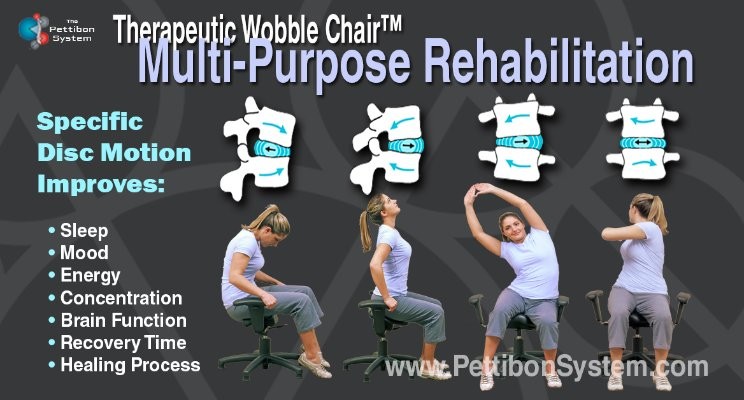
A wobble chair, also known as a balance or active sitting chair, can be beneficial in a chiropractic setting for several reasons:
- Core Strengthening: Wobble chairs require users to engage their core muscles to maintain balance. Regular use of a wobble chair can help strengthen the core muscles, which are essential for providing stability and support to the spine and lower back. A strong core can also help improve posture and reduce the risk of back pain and musculoskeletal issues.
- Improved Posture: Wobble chairs encourage users to sit in a more active and upright posture. This can help reduce the strain on the spine and support a more natural and healthy sitting position, which is crucial for spinal health.
- Dynamic Movement: Wobble chairs provide a dynamic sitting experience. The slight wobbling or rocking motion engages and mobilizes the muscles around the spine, which can help prevent the stiffness and discomfort associated with prolonged static sitting. This dynamic movement can also promote better blood circulation and reduce the risk of developing sitting-related issues.
- Prevention of Disc Compression: Prolonged sitting in a static position can lead to increased spinal disc pressure and discomfort. Wobble chairs encourage users to move and shift their weight regularly, reducing the risk of excessive disc compression and promoting spinal health.
- Active Rehabilitation: Chiropractors may use wobble chairs as part of a rehabilitation program for patients recovering from injuries or surgeries. The dynamic sitting experience on a wobble chair can aid in the rehabilitation process by gradually improving core strength and spinal stability.
- Enhanced Engagement: The act of balancing on a wobble chair can help users remain mentally engaged and alert. This can be especially beneficial for patients who need to maintain focus and concentration during chiropractic assessments, treatments, or rehabilitation exercises.
- Complement to Chiropractic Care: Wobble chairs can complement the chiropractic care provided by chiropractors. They can help patients maintain the benefits of chiropractic adjustments by promoting better spinal health and posture between appointments.
- Versatile Use: Wobble chairs can be used in various settings, including the chiropractic office, but also in the workplace, at home, and in educational environments. This versatility allows individuals to incorporate active sitting into their daily routines for long-term benefits.
Spinal decompression
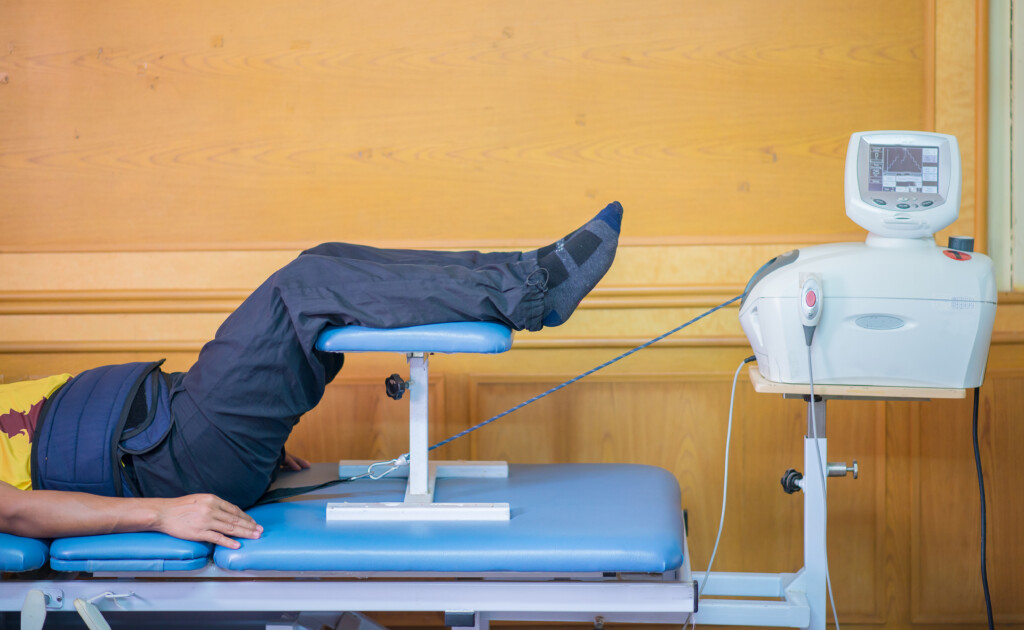
Spinal decompression is a therapeutic technique commonly used in chiropractic settings to alleviate pain and promote healing in the spine. It involves gently stretching the spine to relieve pressure on the intervertebral discs and nerves. Here's how spinal decompression is beneficial in a chiropractic setting:
- Pain Relief:One of the primary benefits of spinal decompression is pain relief. It can be effective in reducing or eliminating pain associated with conditions such as herniated discs, bulging discs, sciatica, spinal stenosis, and degenerative disc disease. By decompressing the spine, the pressure on nerves and other structures is reduced, leading to pain reduction.
- Improved Disc Health:Spinal decompression can promote the health of the intervertebral discs by creating a vacuum effect within the discs. This can help rehydrate and nourish the discs, which are crucial for spinal support and flexibility.
- Enhanced Circulation:The stretching and relaxation provided by spinal decompression can enhance blood flow to the affected spinal segments. Improved circulation supports the delivery of oxygen and nutrients to the discs and surrounding tissues, aiding in the healing process.
- Reduced Inflammation:Spinal decompression can help reduce inflammation in the affected area by promoting the movement of fluids and inflammatory substances away from the spine. This reduction in inflammation can lead to pain relief and improved comfort.
- Non-Surgical Approach:Spinal decompression is a non-invasive alternative to spinal surgery for many patients. Chiropractors often recommend it before considering surgical options, as it carries fewer risks and a shorter recovery time.
- Adjunct to Chiropractic Adjustments:Spinal decompression is often used in conjunction with chiropractic adjustments. The combination of decompression therapy and manual adjustments can lead to more comprehensive relief and better overall outcomes for patients.
- Customized Treatment:Chiropractors can tailor the parameters of spinal decompression to suit each patient's specific condition and needs. This customization ensures that the treatment is safe and effective for the individual.
- Prevention of Recurrence:Spinal decompression therapy, when used as part of a comprehensive treatment plan, can help address the underlying causes of spinal issues, reducing the risk of recurrence.
- Improved Quality of Life:For many individuals suffering from chronic back pain or related conditions, spinal decompression can significantly improve their quality of life by reducing pain, improving mobility, and restoring function.
At Compass we take pride in being able to provide the vast variety of different modalities and techniques and by having so many options at hand we can do our best to set each patient up for success in treatment.
All of these extra modalities and treatment are paramount for the success of each patient, but at our office we feel like the most important thing we offer is the time and attention to detail that we offer to every patient. We truly feel that what sets out office apart is the time that we spend with each patient to make sure they are getting that best care possible.
If you are reading this article and have any questions at all about treatments we provide, please reach out!





