
High blood pressure, or hypertension, is a common health concern that affects millions of people worldwide. While medications and lifestyle changes are often recommended to manage blood pressure, emerging research suggests that incorporating resistance breathing techniques into one's routine can contribute significantly to lowering blood pressure naturally and even as effective as medications. In this article, we explore the science behind resistance breathing and its potential therapeutic benefits for individuals seeking to manage their blood pressure.
Blood pressure is the force exerted by blood against the walls of arteries as the heart pumps it around the body. It is measured in millimeters of mercury (mmHg) and consists of two values – systolic pressure (when the heart contracts) and diastolic pressure (when the heart is at rest between beats). Normal blood pressure is typically around 120/80 mmHg.
Stress is a well-known contributor to elevated blood pressure. When the body perceives a threat, the "fight or flight" response is triggered, leading to the release of stress hormones like cortisol and adrenaline. Prolonged stress can contribute to chronic hypertension, increasing the risk of heart disease and other health issues. A great to know if your body is in fight or flight is to measure your Heart Rate Variability (HRV) which can be done with more smartwatches.
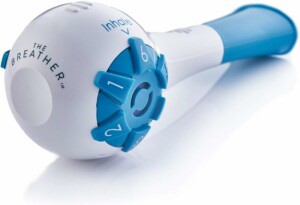
Resistance breathing, also known as inspiratory muscle training, involves deliberately breathing in against resistance to strengthen the respiratory muscles. This type of breathing engages the diaphragm and intercostal muscles, promoting better lung function and increased respiratory efficiency.
1. Stress Reduction:
Resistance breathing promotes relaxation and activates the parasympathetic nervous system, countering the effects of the stress-induced "fight or flight" response. This, in turn, helps to lower stress hormone levels and alleviate the strain on the cardiovascular system.
2. Improved Cardiovascular Function:
Regular practice of resistance breathing enhances cardiovascular function by increasing lung capacity and efficiency. This allows the heart to pump blood more effectively, reducing the overall workload on the heart and subsequently lowering blood pressure.
3. Enhanced Nitric Oxide Production:
Nitric oxide is a vasodilator that relaxes blood vessels, promoting better blood flow and reducing blood pressure. Resistance breathing has been linked to increased nitric oxide production, contributing to improved vascular health.
4. Better Oxygenation:
By strengthening respiratory muscles, resistance breathing enhances oxygen exchange in the lungs. Improved oxygenation not only supports overall health but also aids in the dilation of blood vessels, leading to reduced blood pressure.
1. Start Slowly:
Beginners should start with gentle resistance and gradually increase intensity over time. This can be achieved using devices specifically designed for inspiratory muscle training.
2. Consistency is Key:
To experience the full benefits, consistency is crucial. Incorporate resistance breathing into your daily routine, dedicating a few minutes each day to these exercises.
3. Combine with Other Lifestyle Changes:
While resistance breathing can be a valuable tool, it is most effective when combined with a healthy lifestyle. Maintain a balanced diet, engage in regular physical activity, and manage stress through activities like meditation or yoga.
Resistance breathing offers a promising avenue for individuals seeking natural ways to lower blood pressure. By incorporating these techniques into your routine, you not only strengthen your respiratory muscles but also promote relaxation, improve cardiovascular function, and enhance overall vascular health. As with any health-related practice, it is advisable to consult with a healthcare professional before making significant changes to your routine, especially if you have pre-existing medical conditions.




