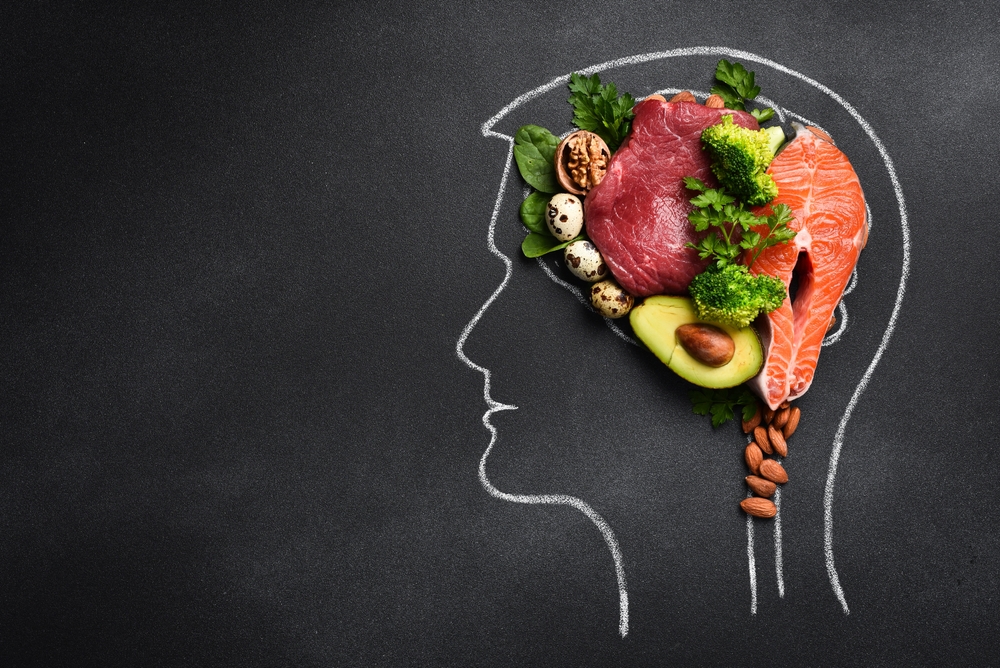
Your brain is only about 2% of your body weight, yet it burns roughly 20% of your daily energy. That means what you eat has an outsized influence on how well you think, learn, remember, and even manage your mood. Over the last decade, research has consistently highlighted specific eating patterns that nourish the brain, protect it from aging, and support mental clarity.
Below is a science-based look at the healthiest diet for brain function—and why it works.
Among all researched diets, one stands out: The MIND diet, a hybrid of the Mediterranean and DASH (Dietary Approaches to Stop Hypertension) diets. Large studies show that people who follow the MIND diet can reduce their risk of cognitive decline and neurodegenerative diseases, even if they don’t follow it perfectly.
The core idea: reduce inflammation and oxidative stress while supplying nutrients essential for brain structure and signaling.
Spinach, kale, arugula, and chard are packed with:
Goal: 1–2 servings per day.
Color equals nutrients. Aim for variety:
These supply phytonutrients that protect brain cells from oxidative stress.
Blueberries, strawberries, and blackberries are uniquely powerful for the brain. Their anthocyanins have been shown to:
Fish like salmon, sardines, herring, mackerel, and trout are the richest sources of EPA and DHA—omega-3 fatty acids critical for:
Plant omega-3s (like flax or chia) are helpful but far less bioavailable.
Walnuts are the standout nut for brain health due to high ALA omega-3 content.
Other great options:
Benefits include improved neuroplasticity, better circulation, and sustained energy.
A cornerstone of the Mediterranean diet, olive oil is rich in:
These compounds reduce oxidative stress in brain cells and support vascular health—crucial for oxygen delivery to the brain.
Carbohydrates power the brain. Whole grains provide steady glucose plus B vitamins important for nerve function.
Examples:
Beans provide fiber, iron, magnesium, and slow-release carbohydrates—all essential for stable blood sugar and neurotransmitter balance.
For brain-friendly proteins:
These foods increase inflammation and oxidative stress and are linked to faster cognitive decline.
High in nitrates, preservatives, and inflammatory compounds.
Sugar spikes blood glucose and increases inflammatory markers that affect the brain. Alcohol is a sugar that also damages the brain.
High sodium diets correlate with reduced brain perfusion.
Chronic inflammation damages neurons and is linked to Alzheimer’s and other neurodegenerative diseases.
Omega-3s, polyphenols, and B vitamins directly support the brain’s ability to grow new connections.
Healthy fats and antioxidants protect the “energy factories” in your brain cells.
A well-vascularized brain gets more oxygen and nutrients.
Steady glucose = better focus, better mood, and slower aging.
Breakfast
Oatmeal with blueberries, walnuts, and cinnamon OR spinach omelet with avocado
Lunch
Mixed greens with salmon, quinoa, olive oil dressing, and berries
Snack
A handful of nuts and green tea
Dinner
Grilled chicken or tofu, roasted vegetables, and a side of lentils or barley
The healthiest diet for the brain is one rich in plant foods, omega-3 fats, antioxidants, and fiber—exactly what the MIND diet emphasizes. This way of eating is associated with:
Even partial adherence has measurable benefits. The brain is constantly regenerating and adapting, and the foods you choose can profoundly shape that process.