
The Alzheimer’s Association International Conference (AAIC) 2024 recently unveiled a thought-provoking study that has captured the attention of health professionals and coffee lovers alike. The research suggests that consuming more than three cups of coffee a day may be linked to cognitive decline. This finding has sparked discussions about the role of caffeine in brain health and the implications for those looking to protect their cognitive abilities as they age.
Conducted by a team of researchers from several esteemed institutions, the study examined the coffee consumption patterns of over 5,000 participants aged 60 and older. The goal was to investigate the correlation between coffee intake and cognitive function, particularly in relation to Alzheimer's disease and other forms of dementia.
1. Cognitive Assessment: Participants underwent a series of cognitive tests to evaluate memory, attention, and overall cognitive performance. Those who consumed more than three cups of coffee daily exhibited a notable decline in cognitive scores compared to moderate drinkers (one to three cups) and non-drinkers.
2. Age-Related Factors: The study highlighted that older adults might be particularly vulnerable to the adverse effects of excessive caffeine. While moderate coffee consumption has been associated with some protective effects against cognitive decline in younger populations, the same cannot be said for older adults.
3. Potential Mechanisms: Researchers proposed that high caffeine intake could lead to increased anxiety and disrupted sleep patterns, both of which are known to negatively impact cognitive function. Additionally, excessive caffeine might exacerbate existing neurological conditions or interfere with certain medications used by older adults.
The findings from AAIC 2024 encourage a reevaluation of daily coffee consumption, particularly for older adults. While moderate caffeine intake has been celebrated for its potential health benefits, this study suggests that too much could be counterproductive in terms of cognitive health.
Health professionals may need to consider individual factors such as age, existing health conditions, and overall lifestyle when advising patients on caffeine consumption. It may be beneficial for older adults to limit their coffee intake and explore alternative beverages that can provide energy without the potential cognitive drawbacks.
While this study adds a new dimension to our understanding of coffee consumption and cognitive health, it is essential to view it within a broader context. Other lifestyle factors, including diet, exercise, social engagement, and mental stimulation, also play significant roles in maintaining cognitive health.
Researchers emphasize the need for further studies to explore the nuances of caffeine’s effects on cognitive function. Longitudinal studies could provide deeper insights into how coffee consumption over time impacts brain health and whether certain populations might be more affected than others.
The findings presented at the AAIC 2024 serve as a reminder that moderation is key, even with widely enjoyed beverages like coffee. As researchers continue to uncover the complex relationships between diet and cognitive health, it’s crucial for individuals—especially older adults—to stay informed and make choices that support their long-term well-being. So, the next time you reach for that fourth cup of coffee, consider the potential implications for your cognitive health and opt for moderation instead. In addition there has been numerous studies that have shown significant health benefits from coffee and I would be remiss if I didn't mention our very own Devin's Blue Elephant coffee roasting business.
After a sprain, strain, or other injury, a brace may provide support—but it is not the right choice for every person or every stage of recovery. The type of injury, severity, location, fit of the brace, and your activity all matter. When possible, get the injury evaluated before relying on a brace.
A healthcare professional may recommend a specific brace to protect an injured joint, limit a particular movement, or support a gradual return to activity. The recommendation should include guidance about fit, when to wear it, and how long to use it.
Post-surgical and fracture-related braces should be used according to the surgeon's or medical provider's instructions. Do not change or discontinue prescribed support without checking with that provider.
Some athletes use a brace temporarily as they rebuild strength, balance, confidence, and sport-specific capacity. A brace should support a broader rehabilitation plan rather than replace it.
Pain and swelling can have many causes. The wrong brace may fail to protect the injured structure, restrict useful movement, or create pressure in the wrong area. An evaluation can help determine whether support is appropriate.
Stop using the brace and seek guidance if it causes increasing pain, numbness, tingling, skin irritation, color changes, or swelling below the brace. These symptoms may indicate poor fit or excessive pressure.
Long-term brace use is appropriate for some conditions, but it should have a clear purpose. For many injuries, recovery also involves restoring movement, strength, balance, and tolerance for activity. Ask how the brace fits into those goals and how progress will be measured.
Seek prompt evaluation for severe pain, major swelling or bruising, an obvious deformity, inability to bear weight or use the injured area, new numbness or significant weakness, or symptoms that are rapidly worsening. A brace is not a substitute for urgent assessment.
Depending on the diagnosis, a recovery plan may include activity modification, mobility work, progressive strengthening, balance exercises, and a gradual return to sport. For athletes, the plan should reflect the actual demands of training and competition.
At Compass Chiropractic in Indianapolis, our team evaluates movement and helps patients understand whether chiropractic care, rehabilitation, athletic training, another provider, or a combination of services is appropriate. Learn more about our sports injury care in Indianapolis and functional rehabilitation.
If an injury is limiting your activity or you are unsure whether to use a brace, Compass Chiropractic can help you determine a sensible next step. Request an appointment online.
This article provides general education and is not a substitute for an individual diagnosis, post-operative instructions, or emergency medical care.
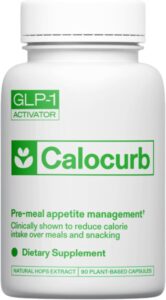
In recent years, the quest for effective weight management solutions has led many to explore natural supplements. One intriguing candidate gaining attention is bitter hop extract, traditionally used in brewing beer. However, its potential benefits extend beyond flavor enhancement; emerging research suggests it may play a role in appetite suppression and weight control.
Hops, the flowers of the hop plant *Humulus lupulus*, are primarily known for their use in beer production. The bitterness of hops comes from compounds called alpha acids, with humulone and lupulone being the most notable. While hops have long been recognized for their sedative and anti-inflammatory properties, recent studies indicate that they may also influence appetite regulation.
The appetite-suppressing effects of bitter hop extract can be attributed to several biological mechanisms:
1. Hormonal Regulation: Bitter compounds may influence the production of hormones like ghrelin and leptin. Ghrelin, often referred to as the "hunger hormone," stimulates appetite, while leptin signals fullness. By modulating these hormones, bitter hops can help reduce hunger pangs.
2. Increased Satiety: The bitterness of hop extracts may enhance the feeling of fullness after meals. This can lead to reduced calorie intake throughout the day, as individuals may feel satisfied with smaller portions. Bitter hops that been shown to stimulate the GLP-1 receptors similar to medications like Mounjaro and Ozempic.
3. Impact on Gut Microbiota: Some studies suggest that bitter compounds can positively influence gut health. A balanced gut microbiome is crucial for overall metabolic health and can affect appetite regulation. By promoting a healthier gut environment, bitter hops may indirectly contribute to weight management. Alternations in gut bacteria has also been shown to lead to food addiction.
4. Thermogenesis: Certain compounds in hops may promote thermogenesis, the process by which the body generates heat by burning calories. This can increase energy expenditure, further aiding in weight loss efforts.
While research on bitter hop extract specifically is still in its infancy, studies on similar bitter compounds have shown promising results. For instance, some research has indicated that bitter substances can enhance feelings of satiety and reduce food intake in both animals and humans.
A notable study published in the *Journal of Nutritional Science* highlighted how participants who consumed bitter extracts experienced a significant reduction in appetite compared to those who did not. While the study's focus was on a broader range of bitter compounds, the implications for hop extract are promising.
For those interested in exploring the appetite-suppressing benefits of bitter hop extract, it is available in various forms, including capsules, powders, and tinctures. Here are some tips for incorporation:
- Supplements: Look for standardized hop extract supplements that provide a specific dosage. Always consult with a healthcare provider before starting any new supplement regimen.
- Bitter Beverages: Some herbal teas and tonics incorporate bitter hops or similar compounds. These can be a pleasant way to enjoy the benefits while staying hydrated.
- Culinary Uses: Incorporating bitter flavors into your meals can also help. Consider adding bitter greens like arugula or dandelion to your salads for a natural appetite suppressor.
While bitter hop extract is generally considered safe, it is essential to be aware of potential side effects, such as gastrointestinal discomfort or interactions with medications. Pregnant or nursing women and individuals with hormone-sensitive conditions should exercise caution and consult a healthcare professional before use.
Bitter hop extract offers a fascinating and potentially effective approach to appetite suppression and weight management. As research continues to unveil the benefits of this natural compound, it could become a valuable tool for those seeking to control their appetite and achieve their health goals. Whether through supplements or dietary inclusion, bitter hops may help pave the way for a healthier relationship with food and improved overall wellness.
In addition to Bitter Hops, the probiotic Akkermansia has been clinic shown to aide in natural weight loss.
In recent years, there has been a significant resurgence of interest in psychedelics, particularly psilocybin, the active compound found in magic mushrooms. A landmark study published in *The Lancet* has provided compelling evidence that psilocybin can be an effective treatment for depression, challenging traditional views on mental health therapies and opening new avenues for research and treatment.
The study, a rigorous double-blind, placebo-controlled trial, aimed to assess the efficacy of psilocybin as a treatment for major depressive disorder (MDD). Participants received either a controlled dose of psilocybin or a placebo, followed by psychotherapy sessions designed to enhance the therapeutic experience. Researchers evaluated the participants' depression levels using standardized scales before and after treatment, with follow-ups extending over several weeks.
The results were striking. Those who received psilocybin experienced significant reductions in depressive symptoms compared to the placebo group. Many participants reported lasting improvements in their mood and outlook on life, with some experiencing remission from depression for months after the treatment. This study not only highlights the immediate effects of psilocybin but also suggests that its benefits can endure, offering hope to those for whom conventional treatments have failed.
So, what makes psilocybin effective? The compound acts primarily on serotonin receptors in the brain, promoting neuroplasticity—the brain's ability to reorganize itself by forming new neural connections. This is particularly beneficial for individuals with depression, as the disorder is often associated with rigid thought patterns and emotional numbness. The experience of a psilocybin session, often described as profound and transformative, may help individuals break free from these patterns, allowing them to gain new perspectives on their lives.
The findings from *The Lancet* study extend beyond the realm of depression. They challenge the stigma surrounding psychedelics and invite a reconsideration of how we approach mental health treatment. As researchers continue to explore the potential of psychedelics, we may see a paradigm shift toward more holistic, integrative approaches to mental health care.
While this study is a significant step forward for Psilocybin and depression, it is just the beginning. Further research is essential to understand the long-term effects of psilocybin, optimal dosing strategies, and how best to integrate it into existing treatment protocols. Regulatory bodies are also taking note; as the evidence mounts, we may see changes in legal frameworks governing the use of psychedelics for therapeutic purposes.
The *Lancet* study marks a pivotal moment in mental health treatment, offering new hope for those battling depression. As we continue to uncover the complexities of the human mind and the potential of psychedelics, we stand on the brink of a new era in mental health care—one that prioritizes healing and understanding over mere symptom management. For many, the path to recovery may just be a journey within, guided by the insights of science and the wisdom of ancient traditions. Can Psilocybin help with depression, there is still more research that needs to be done, but the Lancet study looks promising.
As we look ahead, it’s clear that the conversation around psychedelics and mental health is just beginning, and it promises to be a fascinating one.
Looking for other ways to help with depression? check out our Exercise and Depression page.
In our quest for healthier lifestyles, many have turned to sugar substitutes as a way to cut calories and reduce sugar intake. From stevia to aspartame, these sweeteners are marketed as safe and effective alternatives. However, recent research suggests that these seemingly harmless substitutes may be causing more harm than good, particularly to our gut microbiomes.
Our gut microbiome is a complex ecosystem of trillions of microorganisms, including bacteria, fungi, and viruses, that play a crucial role in our overall health. This diverse community influences digestion, immune function, and even mental health. A balanced microbiome is essential for maintaining our well-being, and disruptions to this delicate balance can lead to a range of health issues, from gastrointestinal disorders to metabolic diseases.
With the growing awareness of the negative impacts of excessive sugar consumption—like obesity and diabetes—sugar substitutes have surged in popularity. Products containing sucralose, saccharin, and other artificial sweeteners promise sweetness without the calories, leading many to believe they can enjoy their favorite treats guilt-free. However, this sweet fix may come with unintended consequences.
Recent studies have begun to unravel the effects of sugar substitutes on gut health. Research indicates that certain artificial sweeteners can alter the composition and function of gut microbiota. Here’s how:
1. Disruption of Microbial Diversity: A healthy microbiome thrives on diversity. Sugar substitutes can reduce microbial diversity, which is associated with various health issues, including obesity and inflammatory diseases.
2. Promotion of Harmful Bacteria: Some studies have shown that sugar substitutes can encourage the growth of harmful bacteria at the expense of beneficial ones, potentially leading to dysbiosis—a condition where the balance of gut bacteria is disturbed.
3. Impact on Metabolism: The alteration of gut microbiota by artificial sweeteners may affect how our bodies metabolize glucose and fats. This could potentially contribute to insulin resistance and weight gain, counteracting the very benefits that these substitutes are supposed to provide.
For many people, the allure of sugar substitutes lies in their potential to help manage weight and reduce sugar cravings. However, the emerging evidence suggests that relying on these sweeteners may inadvertently harm our gut health, which could undermine our efforts toward better health.
Additionally, the implications extend beyond just individual health. A population-wide shift towards sugar substitutes could contribute to a collective change in gut microbiomes, raising concerns about long-term health outcomes.
If you’re concerned about the impact of sugar substitutes on your gut health, here are some strategies to consider:
- Moderation is Key: Instead of completely replacing sugar with substitutes, consider reducing overall sweetness in your diet. This can help maintain a balanced microbiome while still allowing for occasional treats.
- Focus on Whole Foods: Incorporating a variety of whole foods—fruits, vegetables, whole grains, and fermented foods—can support a diverse gut microbiome. These foods are not only nutritious but also help nourish beneficial gut bacteria.
- Stay Informed: As research evolves, staying informed about the latest findings regarding sugar substitutes and gut health will empower you to make better dietary choices.
While sugar substitutes may seem like a smart choice for those looking to cut back on sugar, the potential disruption they can cause to our gut microbiomes is a cause for concern. As we continue to navigate our relationship with food and health, it’s essential to approach sweeteners—both artificial and natural—with caution. By prioritizing gut health and embracing a more balanced diet, we can support our microbiomes and overall well-being in a more sustainable way.
Remember, when it comes to health, sometimes the simplest solutions are the most effective—less sugar, more balance!
In addition to upsetting the gut microbiome, sugar substitutes have been linked to anxiety, check out our post to learn more.
In this day and age so many of us are working from home or a hybrid schedule. This may be nice and flexible, but it may be taking a toll on our health when it comes to ergonomics. There are so many ergonomic tools that can help make us more comfortable. One of them being a sit-stand desk or sit-stand converter. These are great to allow our bodies movement throughout the day.
Along with those you will be using a monitor(s). This is where we need to look at the type of monitor standing or arm that we are using. When we are sitting or standing, we want the top of the screen to be at eye level this way we aren’t putting excessive stress on our neck. If we are using a sit-stand desk when we have the monitor set at the correct height or sitting a lot of the time when we go to stand it will be too low. This is because of our torso size. This is where a height adjustable monitor arm/stand comes into play. This way we can easily adjust the height and make it at eye level when we stand up and can lower it back down when we sit.
If we aren’t using a sit-stand desk and just have a regular desk, then a stationary arm/stand may suffice depending on our height. We may need to utilize a monitor riser if the monitor is too low.
For Additional ergonomic recommendations check out our Ergonomics Page.
Remember that you can have the best ergonomic set up at your desk and still have bad posture. Check out our desk posture post to learn how you can feel better at work! You can also strengthen your core while you sit at your desk.
Range of motion (ROM) describes how far a joint can move in a particular direction. Athletes need enough mobility for the demands of their sport, but more is not always better. Useful movement also depends on strength, control, technique, and the ability to tolerate training.
The difference between active and passive motion can offer useful information during an examination. For example, a joint may have available movement that an athlete cannot yet control comfortably.
Each activity has different mobility requirements. A baseball pitcher, distance runner, weightlifter, and golfer do not need identical movement. Too little motion may cause an athlete to compensate elsewhere, while excessive motion without adequate strength or control may also create problems.
Range of motion is only one part of performance and injury risk. Training load, previous injuries, recovery, sleep, strength, coordination, and technique also matter. That is why a movement assessment should be specific to the athlete rather than based on a single flexibility test.
Temporary stiffness can follow hard training, prolonged sitting, or a change in activity. Persistent restriction may be related to pain, swelling, muscle guarding, joint irritation, a previous injury, or other conditions. An evaluation can help clarify the likely cause before you begin an aggressive mobility program.
Do not force a painful joint through motion. Seek prompt medical attention if stiffness follows a significant injury and is accompanied by severe pain, major swelling or bruising, deformity, numbness, weakness, or an inability to use the area normally.
At Compass Chiropractic in Indianapolis, we begin with your history, sport, training schedule, symptoms, and goals. The examination may compare active and passive motion and assess strength, balance, joint function, and sport-specific movements. We also consider whether the limitation is actually relevant to your symptoms or performance.
When chiropractic care is appropriate, a plan may include joint or soft-tissue techniques, mobility exercises, and functional rehabilitation. Our athletic trainer, Krista Goodnight, may also contribute to rehabilitation and return-to-sport planning when that fits the athlete's needs.
Stretching is not automatically the answer to every restriction. Some athletes need mobility in a particular area; others need better control or strength within the motion they already have. A personalized program may use a combination of:
Progress should be based on function and symptoms, not on chasing a universal flexibility number.
Consider an evaluation when limited motion is painful, follows an injury, is getting worse, repeatedly affects your technique, or prevents you from training normally. If you are dealing with a broader activity-related problem, learn more about our sports injury care in Indianapolis.
A useful range of motion is the range you can control and use for your activity. Compass Chiropractic helps Indianapolis athletes identify relevant movement limitations and build practical rehabilitation plans. Request an appointment online to get started.
This article is for educational purposes and does not replace an individual diagnosis or emergency medical care.
Recent findings from the German Brain Foundation have brought to light a concerning link between high sugar consumption and brain health. As societies become increasingly reliant on processed foods laden with sugars, understanding the detrimental effects of excessive sugar intake on our brains has never been more critical.
Sugar, particularly in the form of added sugars and refined carbohydrates, can have profound effects on various bodily systems, including the brain. The German Brain Foundation highlights that overconsumption of sugar may contribute to cognitive decline, increased risk of neurodegenerative diseases, and negative impacts on mental health.
1. Inflammation and Neurodegeneration: Excessive sugar intake is known to promote inflammation throughout the body. Chronic inflammation has been linked to various neurological disorders, including Alzheimer’s disease and other forms of dementia. The foundation emphasizes that reducing sugar consumption could help mitigate this inflammation and protect brain health.
2. Blood Sugar Spikes: High sugar diets lead to rapid spikes in blood sugar levels, which can disrupt the balance of insulin and glucose in the body. This fluctuation not only affects physical health but also impacts cognitive functions, potentially impairing memory and learning.
3. Addictive Properties: Sugar has been shown to activate reward pathways in the brain similarly to addictive substances. This can lead to a cycle of cravings and overconsumption, further exacerbating its negative effects on brain health.
The German Brain Foundation also points out that high sugar diets are linked to mood disorders such as anxiety and depression. Research suggests that a diet high in sugar can affect neurotransmitter function, altering brain chemistry in ways that may contribute to mental health issues.
To promote better brain health, the German Brain Foundation advocates for several dietary changes:
- Reduce Added Sugars: Limiting intake of sugary drinks, snacks, and processed foods can help stabilize blood sugar levels and reduce the risk of inflammation.
- Embrace Whole Foods: A diet rich in whole foods—fruits, vegetables, whole grains, and healthy fats—can provide essential nutrients that support brain function.
- Stay Hydrated: Often overlooked, adequate hydration plays a crucial role in maintaining cognitive function and overall brain health.
As awareness of the effects of diet on health continues to grow, the findings from the German Brain Foundation serve as a crucial reminder of the importance of moderation, particularly concerning sugar intake. By making informed dietary choices, individuals can help protect their brain health and overall well-being. In a world where sugar is ubiquitous, it is vital to take proactive steps to minimize its consumption and safeguard our cognitive health for the future.
Not recommended by the German Brain Foundation, but there has been recent research showing that Red Light Therapy could help to lower blood sugar and therefore help decrease the inflammation that can lead to neurodegenerative disorders.
If you’re an athlete or an active individual, you might be familiar with the nagging pain that sometimes appears along the inner part of your shin. This discomfort could be due to posterior shin splints or Posterior Medial Tibial Stress Syndrome , a common yet often misunderstood condition. Let's dive into what posterior shin splints are, their causes, and effective treatment strategies to help you get back on your feet.
Posterior shin splints, also known as posterior medial tibial stress syndrome (PMTS), involve pain along the inner part of the shinbone (tibia). Unlike the more common anterior shin splints, which occur along the front of the shin, posterior shin splints are characterized by tenderness and discomfort on the inner or medial aspect of the tibia.
The development of posterior shin splints can often be traced to overuse and repetitive stress. Here are some common factors contributing to this condition:
Symptoms of posterior shin splints typically include:
- Dull, aching pain along the inner part of the shinbone
- Tenderness along the medial tibia
- Swelling in some cases
- Pain that worsens with activity and eases with rest
Addressing posterior shin splints involves a combination of rest, rehabilitation exercises, and preventive measures. Here’s a step-by-step approach to managing and treating the condition:
1. Rest and Activity Modification
- Rest: Allow the affected area to heal by reducing or modifying activities that cause pain. This might mean taking a break from high-impact exercises.
- Cross-Training: Engage in low-impact activities like swimming or cycling to maintain fitness while reducing stress on the shins.
2. Ice Therapy
- Ice Application : Apply ice to the affected area for 15-20 minutes at a time, several times a day, especially after activity. This helps reduce inflammation and alleviate pain.
3. Spinal and extremity adjustments :
- Misalignments and joint restrictions in the pelvis, knees and feet can contribute to putting more stress over the structures involved in posterior skin splints.
3. Compression and Elevation:
- Compression: Use an elastic bandage or compression wrap to help reduce swelling.
- Elevation: Elevate the affected leg to reduce swelling and promote healing.
4. Pain Relief
- Kinesiotape – Kinesotape can be used to provide support to the posterior tibialis tendon and can also help with moving inflammation out of lower leg by lifting the skin and allowing easier movement
5. Rehabilitation exercises and Footwear
- Stretching and Strengthening Exercises: We can guide you through exercises to stretch the calf muscles and strengthen the lower leg muscles, improving flexibility and reducing strain.
- Footwear Assessment: At compass we can recommend appropriate footwear or orthotic inserts to correct biomechanical issues.
6. Gradual Return to Activity
- Rehabilitation: Once pain subsides, gradually reintroduce activities, starting with low-impact exercises and slowly increasing intensity.
- Proper Warm-Up and Cool-Down: Always warm up before exercise and cool down afterward to prevent injuries.
7. Footwear and Orthotics
- Proper Shoes: Invest in well-cushioned, supportive footwear suited for your activity level and foot type.
- Orthotic Inserts: Custom or over-the-counter orthotic inserts can help correct biomechanical issues and provide additional support.
- Gradual Progression: Increase your training intensity, duration, and frequency gradually to avoid overloading your shins.
- Strength Trainin: Incorporate exercises to strengthen your lower leg muscles and improve overall stability.
- Proper Technique: Ensure you use correct running or activity techniques to minimize stress on your shins. At Compass we are big fans of Good Form Running.
Posterior shin splints can be a frustrating and painful condition, but with the right approach to treatment and prevention, you can effectively manage and overcome them. By focusing on rest, proper care, and addressing any underlying issues, you’ll be well on your way to a swift recovery and a return to your active lifestyle. If symptoms persist or worsen, seeking guidance from a healthcare professional is essential to ensure appropriate treatment and avoid further complications.
Recent research published in the esteemed journal Gut has shed new light on the intricate relationship between gut bacteria and food addiction. This groundbreaking study highlights how our microbiome—the diverse community of microorganisms residing in our digestive tract—can influence our eating behaviors and potentially contribute to food addiction.
The human gut is home to trillions of bacteria, collectively known as the gut microbiome. These microbes play a crucial role in digestion, immune function, and overall health. Emerging evidence suggests that they also have a profound impact on our mental and emotional well-being, including our relationship with food.
The study in Gut utilized a combination of animal models and human subjects to explore how changes in the gut microbiome affect eating behavior. Researchers focused on the following key areas:
The researchers observed that specific strains of gut bacteria were associated with preferences for high-fat and high-sugar foods. In animal models, altering the microbiome led to significant changes in food consumption patterns, suggesting that the gut bacteria might influence cravings and dietary choices.
The study found that microbiome manipulation could induce behaviors similar to those seen in food addiction. For instance, animals with altered gut microbiomes displayed compulsive eating patterns and a heightened preference for rewarding, high-calorie foods. To learn more about the gut-brain connection visit our Gut-Brain page.
Investigations into the biochemical pathways revealed that gut bacteria can affect neurotransmitter levels, such as serotonin and dopamine, which are critical for regulating mood and reward systems. Imbalances in these neurotransmitters have been linked to addiction-like behaviors, including food addiction.
In human subjects, researchers identified correlations between gut microbiome diversity and susceptibility to food addiction. Individuals with less diverse microbiomes were more likely to exhibit cravings and compulsive eating behaviors.
The implications of this research are profound. If gut bacteria can influence food addiction, this opens up potential new avenues for treatment and prevention. For example:
Dietary Interventions: Modifying the gut microbiome through diet or probiotics might help manage cravings and reduce the risk of food addiction.
Personalized Nutrition:Understanding an individual’s microbiome could lead to personalized dietary recommendations aimed at promoting a healthy balance of gut bacteria and reducing addiction-like behaviors. Intermittent fasting has also been shown to improve the health of the gut microflora.
Future Research: Further studies are needed to explore the mechanisms behind these findings and to develop targeted interventions that can harness the power of the microbiome to combat food addiction.
The study published in *Gut* represents a significant step forward in our understanding of the gut-brain connection and its impact on food addiction. As research continues to evolve, it is becoming increasingly clear that the health of our microbiome plays a critical role in influencing our eating behaviors. By harnessing this knowledge, we may be able to develop more effective strategies for managing food addiction and promoting overall well-being.