
In a surprising and strategic move, pharmaceutical giant Eli Lilly has announced its foray into the weight loss market by offering a range of weight loss drugs directly to consumers like Mounjaro. This shift in strategy comes at a time when the demand for effective weight loss solutions is on the rise, and Eli Lilly aims to capitalize on this growing market. This article delves into the details of Eli Lilly's decision, the potential impact on consumers, and the broader implications for the pharmaceutical industry.
Traditionally known for its expertise in developing medications for diabetes, cancer, and other chronic conditions, Eli Lilly's move into the weight loss sector is a bold departure from its established focus. The company has identified a significant market opportunity as the global prevalence of obesity continues to rise, leading to an increased demand for effective weight management solutions.
Eli Lilly's decision to offer weight loss drugs directly to consumers represents a shift from the conventional pharmaceutical distribution model. By adopting a direct-to-consumer approach, the company aims to reach individuals seeking weight loss solutions without the need for a prescription. This move is expected to streamline the process, making these medications more accessible to a broader audience.
The introduction of weight loss drugs directly to consumers raises questions about the efficacy and safety of these medications. Eli Lilly will likely face scrutiny from regulatory bodies and healthcare professionals, as the weight loss market is notorious for products that may have questionable effectiveness or potential side effects. Ensuring the safety and efficacy of these drugs will be crucial for maintaining trust among consumers and healthcare providers.
For individuals struggling with obesity or weight-related health issues, the availability of weight loss drugs directly from Eli Lilly could offer a convenient and accessible solution. By bypassing the traditional healthcare provider route, consumers may find it easier to obtain and use these medications, potentially leading to improved adherence to weight loss regimens.
While Eli Lilly's move may open new opportunities, it also raises ethical considerations. The direct-to-consumer model could bypass crucial medical assessments, potentially exposing individuals to health risks. The pharmaceutical industry must strike a balance between accessibility and ensuring responsible distribution of medications.
Alternatives:
Recent research has shown a specific type of gut bacteria, Akkermansia, has been shown to be an effective weight loss solution. To learn more, check out our Akkermansia page.
Eli Lilly's entry into the weight loss market with direct-to-consumer offerings marks a significant shift in the pharmaceutical landscape. The success of this venture will depend on the effectiveness and safety of the weight loss drugs, as well as the company's ability to navigate the ethical considerations associated with the direct-to-consumer model. As this story unfolds, it will be interesting to observe the impact on the weight loss industry, consumer behavior, and the broader pharmaceutical sector.
High blood pressure, or hypertension, is a common health concern that affects millions of people worldwide. While medications and lifestyle changes are often recommended to manage blood pressure, emerging research suggests that incorporating resistance breathing techniques into one's routine can contribute significantly to lowering blood pressure naturally and even as effective as medications. In this article, we explore the science behind resistance breathing and its potential therapeutic benefits for individuals seeking to manage their blood pressure.
Blood pressure is the force exerted by blood against the walls of arteries as the heart pumps it around the body. It is measured in millimeters of mercury (mmHg) and consists of two values – systolic pressure (when the heart contracts) and diastolic pressure (when the heart is at rest between beats). Normal blood pressure is typically around 120/80 mmHg.
Stress is a well-known contributor to elevated blood pressure. When the body perceives a threat, the "fight or flight" response is triggered, leading to the release of stress hormones like cortisol and adrenaline. Prolonged stress can contribute to chronic hypertension, increasing the risk of heart disease and other health issues. A great to know if your body is in fight or flight is to measure your Heart Rate Variability (HRV) which can be done with more smartwatches.
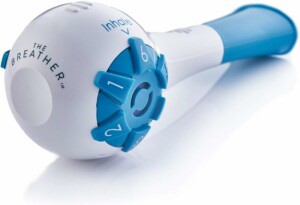
Resistance breathing, also known as inspiratory muscle training, involves deliberately breathing in against resistance to strengthen the respiratory muscles. This type of breathing engages the diaphragm and intercostal muscles, promoting better lung function and increased respiratory efficiency.
1. Stress Reduction:
Resistance breathing promotes relaxation and activates the parasympathetic nervous system, countering the effects of the stress-induced "fight or flight" response. This, in turn, helps to lower stress hormone levels and alleviate the strain on the cardiovascular system.
2. Improved Cardiovascular Function:
Regular practice of resistance breathing enhances cardiovascular function by increasing lung capacity and efficiency. This allows the heart to pump blood more effectively, reducing the overall workload on the heart and subsequently lowering blood pressure.
3. Enhanced Nitric Oxide Production:
Nitric oxide is a vasodilator that relaxes blood vessels, promoting better blood flow and reducing blood pressure. Resistance breathing has been linked to increased nitric oxide production, contributing to improved vascular health.
4. Better Oxygenation:
By strengthening respiratory muscles, resistance breathing enhances oxygen exchange in the lungs. Improved oxygenation not only supports overall health but also aids in the dilation of blood vessels, leading to reduced blood pressure.
1. Start Slowly:
Beginners should start with gentle resistance and gradually increase intensity over time. This can be achieved using devices specifically designed for inspiratory muscle training.
2. Consistency is Key:
To experience the full benefits, consistency is crucial. Incorporate resistance breathing into your daily routine, dedicating a few minutes each day to these exercises.
3. Combine with Other Lifestyle Changes:
While resistance breathing can be a valuable tool, it is most effective when combined with a healthy lifestyle. Maintain a balanced diet, engage in regular physical activity, and manage stress through activities like meditation or yoga.
Resistance breathing offers a promising avenue for individuals seeking natural ways to lower blood pressure. By incorporating these techniques into your routine, you not only strengthen your respiratory muscles but also promote relaxation, improve cardiovascular function, and enhance overall vascular health. As with any health-related practice, it is advisable to consult with a healthcare professional before making significant changes to your routine, especially if you have pre-existing medical conditions.
Carpal Tunnel Syndrome (CTS) is a prevalent condition that affects many individuals, particularly those engaged in repetitive hand and wrist movements. This syndrome occurs when the median nerve, which runs from the forearm into the palm of the hand, becomes compressed or squeezed at the wrist. While various treatment options exist, one of the key components in managing and alleviating symptoms is the use of wrist braces. In this article, we will explore the importance of bracing in the context of Carpal Tunnel Syndrome.
A quick Amazon search for carpal tunnel wrist brace and you will be presented with a myriad of options, but which is the best? The traditional wrist-only splints, however, may have limitations in their effectiveness. Active finger flexion can cause lumbrical muscles to intrude into the carpal tunnel, elevating pressure and compressing the median nerve. To enhance the efficacy of splinting, you need to address this aspect and consider bracing options that limit both wrist and finger motion. The Blitzu Carpal Tunnel Brace (below) provides the additional support to the hand which improved efficacy.
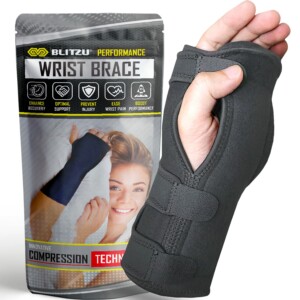
Wrist braces play a crucial role in early intervention and prevention of Carpal Tunnel Syndrome. People who engage in activities that involve repetitive hand movements, such as typing or assembly line work, can benefit from wearing wrist braces proactively. By providing support to the wrist and maintaining proper alignment, braces help prevent the development or worsening of symptoms associated with CTS.
The primary goal of bracing is to reduce pressure on the median nerve, which is the underlying cause of Carpal Tunnel Syndrome. Wrist braces are designed to keep the wrist in a neutral position, minimizing strain on the affected area. This, in turn, helps alleviate pain, tingling, and numbness associated with CTS. By providing this support, braces contribute to the overall comfort and functionality of the affected hand.
Individuals who continue to engage in activities that might exacerbate Carpal Tunnel Syndrome symptoms can benefit significantly from wearing wrist braces during those activities. Whether it's typing on a computer, playing a musical instrument, or participating in sports, braces offer additional support to the wrist, reducing the risk of further damage and promoting better hand function.
For those already experiencing symptoms of Carpal Tunnel Syndrome, wearing a brace can aid in the healing and recovery process. By stabilizing the wrist and preventing excessive movement, braces allow the affected area to rest and reduce inflammation. This can contribute to a faster recovery and improved long-term outcomes for individuals managing CTS.
Wrist braces provide a non-invasive and cost-effective treatment option for Carpal Tunnel Syndrome. Compared to more invasive interventions like surgery, bracing is a conservative approach that is often recommended as an initial step in managing CTS. This makes it an accessible and affordable choice for individuals seeking relief from symptoms without undergoing major medical procedures.
In conclusion, the importance of bracing in the management of Carpal Tunnel Syndrome cannot be overstated. Whether used for prevention, support during activities, or as part of the recovery process, wrist braces play a vital role in alleviating symptoms and improving the overall quality of life for individuals affected by CTS. As with any medical condition, it is essential to consult with healthcare professionals for personalized advice and guidance on the most effective treatment plan for each individual case.
Happy New Year everyone! It’s the time of year to set resolutions for the year, and we all know someone that wants to improve their health. Most of the time we see people make resolutions about losing weight, gaining muscle, or eating right. These are all great resolutions, but there are so many ways we can improve our health besides going to the gym or starting a new diet! Whether you’ve given up on your original resolutions or you’re just now getting to it, here are some simple resolutions to improve your health in the new year!
Drinking water is something many people struggle with on a day to day basis. Water is
vital for your cells to function properly. A great way to calculate how much water we need per day is to take your weight and multiply it by 0.5, and that is how many ounces of water to drink on non-strenuous days. For example, if you weigh 200 pounds, that is about 100 ounces of water per day. On days with strenuous labor or a workout this will need to be increased. My favorite way of keeping track of how much water I’m consuming is by using a half-gallon water bottle.
By consuming two half-gallons on workout days I know I am consuming 128 ounces of water, more than enough for my body to function and recover! I recommend the HyrdoJug with the carrying sling to easily take your bottle with you wherever you go. If you struggle with remembering to take sips of water, there are plenty of apps on the marketplace to remind you throughout the day.
Typically when we think about mindfulness, we think about meditation. There are many
ways to be mindful without feeling like we need to be monks sitting for hours clearing our heads of thoughts. Though meditation can be helpful and is a great resolution, it’s not for everyone. These are some more active ways to be mindful:
We can be mindful while walking, paying attention to each step as our feet land on the earth or paying attention to every plant and tree we meet on our path. We can practice mindful eating, feeling the texture of our food and the taste of every morsel as we chew. Another way to be mindful is mindful listening. When someone is talking, making them feel heard and listened to can strengthen your relationship and give you a deeper understanding of how someone thinks.
Ultimately, our goal as bodywork practitioners is to help you feel your best. Maybe you fell off the wagon after forgetting to schedule an appointment (I get it, me too...) or maybe you
have been so busy that laying on a table for a massage or adjustment has not been your first priority.
Taking care of your body is one of the best things you can do for your mind. As a licensed massage therapist I typically recommend receiving a massage monthly to keep your muscles, connective tissues, and brain happy! If receiving bodywork isn’t your thing, creating a stretching routine is a great way to take care of your muscles. Combining stretching and bodywork is even better! To book an adjustment or a massage, give us a call at 317-257-2800 or check out our blog post about scheduling online!
As the winter months descend upon us with their icy grip, the risk of slips and falls increases significantly. The combination of cold temperatures, snow, and ice can create hazardous conditions, making it crucial for individuals of all ages to take proactive steps to prevent falls during this season. In this article, we'll explore some practical tips and strategies to help you stay on your feet and navigate the winter months safely.
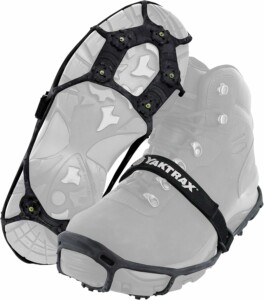
Investing in proper winter footwear is a fundamental step in fall prevention. Opt for boots with slip-resistant soles and good traction to provide stability on slippery surfaces. Ensure that your footwear is waterproof to keep your feet dry and warm. Additionally, consider using ice cleats or traction aids that can be attached to your shoes for added grip on icy surfaces.
Yaktraxx are a great option to give you a little more traction on slipper surfaces!
Clearing snow and ice from your walkways is a critical aspect of fall prevention. Regularly shovel snow and spread ice melt or sand on your steps, driveway, and sidewalks. Pay attention to areas with high foot traffic, such as the entrance to your home, and keep them clear to minimize the risk of slipping.
Gone are the days of the giant gas powered snow blowers. New show blowers are electric and not much larger than a snow shovel which also makes storage easier. Here is an example of a highly rated snow blowing shovel from Amazon.

The winter months bring shorter days and longer nights, increasing the importance of proper lighting. Ensure that pathways and stairs leading to your home are well-lit to improve visibility. Consider installing motion-activated lights to illuminate your path when you approach, providing an extra layer of safety.
Solar light have gotten cheaper, brighter and much easier to instal than traditional lighting. You can find a 8 pack like the ones below for around $40 on Amazon.

Using handrails can provide essential support, especially when navigating stairs or slippery surfaces. Make sure handrails are secure and in good condition. When available, always use them to maintain balance and reduce the risk of a fall.
One of the common causes of falls in winter is rushing through icy or snowy areas. Give yourself extra time to reach your destination, taking slow and deliberate steps. Shorten your stride and keep your center of gravity over your feet to enhance stability.
Maintaining strength and flexibility through regular exercise is beneficial for fall prevention in any season. Focus on activities that improve balance, such as yoga or tai chi. Strong muscles and good flexibility contribute to overall stability, reducing the likelihood of a fall.
It's not only the outdoors that pose a risk. Ensure that indoor surfaces are also safe by promptly addressing wet or slippery areas. Use rugs with non-slip backing, and consider placing mats near entrances to prevent tracking in moisture.
As winter settles in, taking steps to prevent falls becomes crucial for everyone's safety. By being proactive with footwear choices, keeping walkways clear, maintaining proper lighting, using handrails, taking your time, staying physically active, and addressing indoor risks, you can significantly reduce the chances of falling during the winter months. Embrace these practical tips to winterize your steps and enjoy a safer and more secure winter season.
New and improved online scheduling at Compass!
We have been using Chirospring as our Electronic Health Record (EHR) for a little under a year and there has been a lot of things that we really like and others that could use some improvements. One of those areas that needed a little improvement was the online scheduling. Luckily Chirospring took our feedback and improved the online scheduling platform. It is now much easier to use with the week view.
One thing to remember: If you want to book a massage an a chiropractic appointment, book the massage first and then put in the comment section that you would like to add chiro as well.
Hope you enjoy this new platform and let us know if you have any questions!
Currently Indiana does not allow physicians to prescribe psilocybin (active ingredient in mushrooms), only Oregon and Colorado have passed law that allow for using psilocybin for certain conditions. Because Indiana's rate of mental illness is higher than the national average, law makers have been considering passing a law to allow physicians to prescribe psilocybin.
"If scientists are able to prove that psilocybin is effective at treating mental health disorders and help us prevent Hoosiers from dying by suicide," according to Rep. Vanessa Summers, D-Indianapolis. The medical community is still divided on the safety and efficacy of psilocybin, but they have taken steps to review the research to determine if there is a therapeutic benefit.
Psilocybin, a naturally occurring psychedelic compound found in certain mushrooms, has been garnering increased attention in recent years for its potential health benefits. While historically associated with spiritual and recreational use, contemporary research is uncovering a range of therapeutic applications that extend beyond the psychedelic experience. In this article, we delve into the emerging evidence supporting the health benefits of psilocybin.
- Numerous studies suggest that psilocybin may be effective in alleviating symptoms of depression and anxiety. Research conducted at institutions such as Johns Hopkins University has demonstrated significant improvements in mood and reduction of anxiety in individuals undergoing psilocybin-assisted therapy.
- Preliminary studies have shown promising results in using psilocybin to treat PTSD. The compound may help individuals process traumatic experiences and reduce the emotional intensity associated with those memories.
- Psilocybin-assisted therapy is being explored as a potential treatment for various forms of addiction, including alcohol and tobacco dependence. The psychedelic experience may help individuals break free from harmful patterns of behavior and promote long-term recovery.
- Some studies suggest that psilocybin may promote neurogenesis, the growth of new neurons in the brain. This phenomenon is particularly relevant in the context of age-related cognitive decline and neurodegenerative disorders.
- The altered state of consciousness induced by psilocybin has been associated with increased creativity and improved problem-solving abilities. This could have implications for individuals seeking enhanced cognitive flexibility and divergent thinking.
- Psilocybin has been linked to profound mystical experiences characterized by a sense of unity, interconnectedness, and transcendence. These experiences may contribute to an individual's overall sense of purpose, meaning, and well-being.
- Research suggests that psilocybin may help individuals confront and alleviate existential distress, including fear of death. This could have implications for improving the quality of life in individuals facing life-threatening illnesses.
- Psilocybin is generally considered to have a low potential for abuse or addiction, making it a potentially safer option than some traditional psychiatric medications.
- The medical community is increasingly exploring ways to integrate psilocybin into clinical settings, with ongoing research and trials aiming to establish standardized protocols for its therapeutic use.
While the health benefits of psilocybin are becoming clearer through ongoing research, it is essential to emphasize responsible and supervised usage. The regulatory landscape is evolving, with increasing acceptance of psilocybin as a potential tool in mental health treatment. As our understanding deepens, psilocybin may play a significant role in addressing a range of mental health challenges and promoting overall well-being.
For more information about how psilocybin could be used in a clinical setting check out the NIH's article on the Clinical potential of psilocybin as a treatment for mental health conditions.
Trigger points, often referred to as muscle knots, are areas of hyperirritability within a muscle that can lead to localized pain and discomfort. These points can develop for various reasons, including muscle overuse, poor posture, stress, and injury. Understanding what trigger points are and how to treat them is crucial for managing pain and maintaining optimal muscle function.
- Trigger points are often palpable nodules or bands within a muscle. They can be felt under the skin and are usually sensitive to touch.
- One characteristic feature of trigger points is referred pain, where discomfort is felt in an area distant from the actual point. This can make it challenging to pinpoint the source of the pain.
- Trigger points can cause muscle tightness and weakness in the affected area, affecting range of motion and overall muscle function.
- Repetitive motions and overuse of certain muscles, especially without proper rest or stretching, can lead to the development of trigger points.
- Prolonged periods of poor posture, whether sitting at a desk or standing with improper alignment, can contribute to the formation of trigger points.
- Emotional stress and tension can manifest physically, leading to the development of trigger points in muscles.
- Massage is a widely recognized and effective method for treating trigger points. Therapists use various techniques to apply pressure to the affected area, releasing tension and promoting blood flow.
- Regular stretching can help prevent and alleviate trigger points. Targeted stretching exercises for specific muscle groups can improve flexibility and reduce muscle tightness. Stretching is not always the answer, check out our When is Stretching a Bad Idea post to learn more.
- Applying heat or cold to the affected area can help relax muscles and reduce inflammation. Heat promotes blood flow, while cold therapy can numb the area and alleviate pain.
- In some cases, healthcare professionals may use trigger point injections, which involve injecting a local anesthetic or anti-inflammatory medication directly into the trigger point to relieve pain and inflammation.
- A Chiropractor or physical therapist can develop a personalized exercise program to address muscle imbalances, improve posture, and prevent the recurrence of trigger points.
- Dry needling involves inserting thin needles into trigger points to stimulate a therapeutic response. It can help release tension and promote healing.
- Engaging in regular, balanced exercise helps maintain muscle strength and flexibility, reducing the risk of trigger point formation.
- Practicing good posture and ergonomics, whether at work or during daily activities, can prevent muscle imbalances and reduce the likelihood of trigger points.
- Incorporating stress management techniques, such as mindfulness and relaxation exercises, can help prevent the physical manifestation of stress in the form of trigger points.
Understanding what trigger points are and how to treat them is essential for managing muscle pain and maintaining overall musculoskeletal health. From self-care techniques to professional therapies, a comprehensive approach to addressing trigger points can lead to improved comfort, flexibility, and long-term well-being. If persistent or severe, it's advisable to seek guidance from healthcare professionals for a tailored treatment plan.
Pain is a complex and subjective experience that serves as a vital signal from our bodies, alerting us to potential threats or indicating the need for attention. However, not all pain is created equal. Understanding the differences between good and bad pain is crucial for promoting overall well-being and making informed decisions about our physical activities and health.
- Good pain often occurs during or after exercise. This type of discomfort is a natural response to physical exertion and is indicative of muscles adapting and strengthening. It is typically temporary and subsides with rest.
- The stretching sensation during flexibility exercises is another example of good pain. It indicates that muscles and connective tissues are being gently elongated, promoting flexibility and joint health. Some time stretching is not a good idea based on your condition, to learn more check out out When is Stretching a Bad Idea post.
- Soreness following a day of productive work or physical activity can be considered good pain. It reflects the body's response to engaging in tasks that promote strength and endurance.
- Bad pain is often characterized by sharp, acute sensations that are intense and localized. This type of pain can be indicative of an injury or an ongoing issue that requires attention.
- Pain that persists long after the cessation of an activity or is chronic in nature may signal an underlying problem. Continuous discomfort that interferes with daily activities should be evaluated by a healthcare professional.
- While some joint discomfort is expected with age, pain that goes beyond the normal wear and tear associated with aging may indicate conditions such as arthritis or joint injuries.
- It's essential to listen to your body and pay attention to warning signs. Pain that is sudden, severe, or accompanied by other symptoms like swelling or numbness should be addressed promptly.
- Knowing your physical limits and respecting them is crucial in preventing bad pain. Pushing too hard or engaging in activities without proper preparation can lead to injuries.
- Understanding the difference between discomfort associated with physical exertion and actual pain is key. Discomfort during a challenging workout is expected, but pain that persists or worsens may be a cause for concern.
- When in doubt, it is advisable to consult healthcare professionals, such as physicians, chiropractors, physical therapists, or orthopedic specialists. They can provide a thorough assessment, diagnose underlying issues, and recommend appropriate treatments.
- In cases of bad pain related to injuries or chronic conditions, physical therapy can be instrumental in facilitating recovery. Rehabilitation programs are tailored to address specific issues and promote healing.
Distinguishing between good and bad pain is essential for maintaining a healthy and active lifestyle. While good pain is a natural part of physical activity and exercise, bad pain may indicate underlying issues that require attention. By understanding these distinctions and listening to our bodies, we can make informed decisions to promote overall well-being and prevent unnecessary discomfort and injury. When in doubt, seeking professional guidance ensures that potential problems are identified and addressed appropriately.
Proton Pump Inhibitors (PPIs) are a class of medications widely prescribed for the treatment of conditions such as gastroesophageal reflux disease (GERD), peptic ulcers, and other acid-related disorders. However, recent studies have raised concerns about the potential link between the long-term use of PPIs and an increased risk of dementia. This emerging association has sparked a wave of research and discussions within the medical community, prompting both healthcare professionals and patients to reevaluate the risks and benefits of these commonly prescribed medications.
PPIs are medications designed to reduce the production of stomach acid by blocking the action of the proton pump in the stomach lining. By doing so, they provide relief from conditions associated with excess stomach acid, alleviating symptoms and promoting healing of the affected tissues. While PPIs have proven to be effective in managing acid-related disorders, their long-term use has come under scrutiny due to potential side effects, including the recent focus on their connection to dementia.
Several studies have explored the relationship between PPIs and dementia, with findings suggesting a possible association between the two. One notable study published in JAMA Neurology in 2016 found that individuals aged 75 years and older who regularly took PPIs had a significantly higher risk of developing dementia compared to those not using these medications. The study, however, was observational in nature and did not establish a causal relationship, prompting the need for further research.
The mechanisms underlying the potential link between PPIs and dementia remain unclear and are subject to ongoing investigation. Some researchers hypothesize that reduced stomach acid production may impact the absorption of certain nutrients, including vitamin B12, which is crucial for neurological function. Deficiencies in vitamin B12 have been linked to cognitive decline and neurodegenerative disorders, suggesting a possible avenue through which PPIs might contribute to dementia risk.
While the association between PPIs and dementia is being explored, it is essential to approach these findings with caution. The majority of individuals who take PPIs experience significant benefits in managing their gastrointestinal conditions, and these medications are considered safe for short-term use. Healthcare providers must weigh the potential risks and benefits of long-term PPI use on an individual basis, taking into account the specific medical needs and history of each patient.
The potential link between PPIs and dementia underscores the importance of a thoughtful and individualized approach to medical treatment. Patients and healthcare providers must engage in open and informed discussions regarding the necessity and duration of PPI therapy, considering alternative treatments and lifestyle modifications where appropriate.
As the research into the potential connection between PPIs and dementia continues, it is crucial to acknowledge the complexity of such relationships in the realm of medical science. While concerns exist, they should be balanced against the proven benefits of PPIs in managing acid-related disorders. As the scientific community delves deeper into the underlying mechanisms and conducts further research, patients and healthcare providers alike must stay informed and collaborate to make well-informed decisions regarding the use of PPIs, ensuring the optimal balance between therapeutic benefits and potential risks.
Omega 3s have been shown to have protective benefits for the brain and you can learn more about the potential benefits on our Should I take Omega 3s post.