
Knee pain is a common complaint that can significantly impact daily life and activities. While many factors contribute to knee discomfort, one often-overlooked source is hip instability. The intricate interplay between the hip and knee joints is crucial for maintaining proper biomechanics and preventing pain. In this blog post, we will explore the link between hip instability and knee pain, shedding light on the importance of addressing hip issues to promote overall joint health.
Hip instability refers to a condition where the hip joint lacks stability and control during movement. This instability can arise from various factors, including weak muscles, ligament laxity, or abnormal hip joint structure. When the hip loses its ability to support the body weight and move smoothly, it places increased stress on neighboring joints, including the knee.
To comprehend the relationship between hip instability and knee pain, it's essential to consider the kinetic chain – the interconnected series of joints and muscles that work together to produce movement. The hip and knee joints are integral components of this chain, and disruptions in one area can affect the entire system.
Hip instability can lead to altered biomechanics, causing abnormal movement patterns during activities like walking, running, or climbing stairs. As the hip struggles to provide proper support, the knee may bear more load than it should, leading to increased stress and eventual pain.
When the hip fails to stabilize the leg efficiently, the knee becomes vulnerable to excess stress. This can result in conditions such as patellofemoral pain syndrome, where the kneecap is not properly aligned, causing pain and discomfort. Additionally, hip instability can contribute to conditions like iliotibial (IT) band syndrome, affecting the outer side of the knee.
Weakness or tightness in the muscles surrounding the hip joint can contribute to instability. Imbalances in muscle strength and flexibility may lead to compensatory movements, placing strain on the knee joint. For instance, weak hip abductors may cause the knee to collapse inward during weight-bearing activities, contributing to conditions like medial knee pain.
Recognizing the link between hip instability and knee pain is the first step toward effective management. Individuals experiencing knee discomfort should consider consulting with a healthcare professional, such as a physical therapist or orthopedic specialist, to assess hip stability and develop a targeted treatment plan.
Targeted exercises to strengthen the hip muscles, including the hip abductors, adductors, and external rotators, can improve stability and alleviate knee pain. A well-rounded exercise program should address muscle imbalances and promote overall joint function.
Improving flexibility in the hip muscles can also play a crucial role in alleviating hip instability. Stretching exercises should focus on both the hip flexors and the muscles surrounding the hip joint to enhance range of motion and reduce stress on the knee.
Incorporating functional movement training into the rehabilitation process helps individuals relearn proper movement patterns. This can enhance overall joint stability and reduce the risk of recurrent knee pain.
Understanding the intricate relationship between hip instability and knee pain is vital for effective prevention and management. By addressing hip issues through targeted exercises, stretching, and functional movement training, individuals can enhance overall joint health and enjoy a more pain-free and active lifestyle. Seeking professional guidance ensures a personalized approach to address specific concerns, promoting a holistic and sustainable recovery. to learn more, check out our Sports Injury Page.
Knee pain is a common ailment that affects people of all ages and lifestyles. Whether you're an athlete, a fitness enthusiast, or someone leading a sedentary lifestyle, understanding the importance of dorsiflexion can be a key factor in preventing knee pain and maintaining overall joint health.
Dorsiflexion is a term used to describe the upward movement of the foot, bringing the toes closer to the shin. This motion is essential for various activities such as walking, running, and even standing. The ability to dorsiflex is primarily governed by the flexibility and strength of the muscles, tendons, and ligaments surrounding the ankle joint.
To comprehend the significance of dorsiflexion in preventing knee pain, it's crucial to understand the anatomy involved. The primary muscles responsible for dorsiflexion are the tibialis anterior, extensor hallucis longus, and extensor digitorum longus. These muscles work in tandem to lift the foot, allowing for a smooth and controlled range of motion.
Dorsiflexion plays a pivotal role in shock absorption during weight-bearing activities. When walking or running, the ankle's ability to dorsiflex allows for controlled contact with the ground, reducing the impact and stress transmitted to the knee joint.
Insufficient dorsiflexion can alter the biomechanics of the lower limb, leading to compensatory movements. This, in turn, can place undue stress on the knee joint, potentially causing pain and discomfort over time.
An optimal range of dorsiflexion is essential for a natural and efficient gait. If dorsiflexion is restricted, it can lead to an altered walking pattern, affecting the distribution of forces throughout the lower extremities and potentially contributing to knee pain.
Inadequate dorsiflexion is often associated with overpronation, a condition where the foot rolls excessively inward during walking or running. Overpronation can contribute to misalignment and increased stress on the knee joint, increasing the risk of pain and injury.
Maintaining flexibility in the ankle joint through dorsiflexion exercises can help prevent injuries not only in the ankle but also in the entire kinetic chain, including the knees. A flexible ankle adapts better to various terrains and movements, reducing the likelihood of sudden twists or strains.
Regularly stretching the calf muscles helps improve ankle flexibility and dorsiflexion. Through Functional Rehabilitation we can improve your dorsiflexion.
Sit with your legs straight and tap your toes on the floor, lifting them as high as possible. This simple exercise can enhance dorsiflexion.
While seated, trace the letters of the alphabet with your toes, promoting mobility and flexibility in all directions.
Use a towel to gently pull your toes towards you while keeping your knee straight, stretching the calf muscles and improving dorsiflexion.
In the quest for healthy knees and overall joint well-being, understanding and prioritizing dorsiflexion is paramount. By incorporating targeted exercises into your routine and paying attention to the flexibility and strength of your ankles, you can contribute to preventing knee pain and fostering a lifetime of pain-free movement. So, lace up those shoes, stretch those calves, and let dorsiflexion be your ally in the journey towards optimal knee health. For information on how we treat knee pain, check out our Sports Injury Page.
The holiday season brings joy, festivities, and often, a whirlwind of activities that can take a toll on our bodies. Amidst the hustle and bustle, prioritizing self-care becomes paramount. In this post, we explore why chiropractic care is not just a luxury but a necessity during the holiday season.
Conclusion: As we deck the halls and revel in the holiday spirit, let's not forget to prioritize our well-being. Chiropractic care offers a holistic approach to health, addressing not only physical discomfort but also contributing to stress reduction, immunity enhancement, and improved energy levels. Incorporating chiropractic adjustments into your holiday self-care routine can be the gift your body truly deserves, ensuring you savor every moment of this special season.
In our fast-paced and demanding world, it's easy for our bodies to become overwhelmed by the daily onslaught of toxins from the environment, processed foods, and stress. This is where the concept of a detox cleanse comes into play. While the term "detox" has been met with both skepticism and enthusiasm, there's a growing body of evidence supporting the idea that periodic cleansing can offer a range of benefits for our overall health. In this blog post, we'll explore the positive impact of a detox cleanse on both the body and mind.
Recent studies have shown that many supplements don't contain what they claim to and some contain potentially dangerous ingredients. Metagenics has been been in the healthcare industry for over 30 years and they have set the bar for high-quality, effective and safe supplements. I have been using Metagenics products personally for 20 years and can attest to their commitment to quality and efficacy. Learn more about Metagenics.
One of the primary goals of a detox cleanse is to rid the body of accumulated toxins. These toxins can come from various sources, including pollutants in the air, additives in processed foods, and even the byproducts of stress. By incorporating a detox regimen, individuals can give their organs—especially the liver and kidneys—a break, allowing them to expel harmful substances more efficiently. This process supports the body's natural detoxification pathways and promotes overall well-being.
As toxins leave the body, many individuals report a surge in energy levels. The removal of substances that may have been weighing down the system can lead to improved circulation, better nutrient absorption, and enhanced cellular function. This revitalization can translate into increased stamina, better focus, and a general sense of vibrancy that can positively impact both personal and professional aspects of life.
The digestive system plays a crucial role in our overall health, and a detox cleanse can help reset and rejuvenate it. By eliminating processed foods and focusing on nutrient-dense, whole foods during a cleanse, individuals may experience improved digestion and absorption of nutrients. This can result in reduced bloating, alleviation of gastrointestinal discomfort, and the promotion of a healthier balance of gut microbiota. Our gut has been called our "Second Brain" since it has it's own individual nervous system. Recent research has shown how important Gut Brain Connection is to positive mood and preventing anxiety.
Many detox programs involve dietary changes that promote weight loss. By eliminating processed foods, sugars, and unhealthy fats, individuals often experience a reduction in body weight. Additionally, the improved efficiency of the body's metabolic processes during and after a cleanse can contribute to sustained weight management when accompanied by a balanced and healthy lifestyle. In addition to decreasing the toxic load on your body, we recommend a powerful probiotics strain called Akkermansia muciniphila that has been clinically shown to aid in weight loss
A detox cleanse isn't just about the body—it also has profound effects on the mind. Many people report heightened mental clarity, improved focus, and a more stable mood during and after a cleanse. The removal of certain foods and substances can reduce inflammation in the brain, leading to a clearer thought process and an enhanced ability to manage stress. Learn more about what is brain fog.
While it's essential to approach detox cleanses with a balanced perspective and consult with healthcare professionals before making significant changes to your diet, the potential benefits are worth considering. From promoting the elimination of toxins to boosting energy levels and supporting mental well-being, a well-executed detox cleanse can be a valuable tool in achieving and maintaining a healthier, more vibrant life. Remember, the key lies in moderation, mindfulness, and making informed choices that align with your individual health goals.
Knee pain can be a persistent challenge, impacting daily activities and diminishing overall quality of life. Traditional methods of managing knee pain often involve a combination of exercises, physical therapy, and medication. However, in recent years, electric muscle stimulation (EMS) has emerged as an innovative and effective complementary approach to alleviate knee pain. In this article, we explore the diverse benefits of electric muscle stimulation for individuals seeking relief from knee discomfort.
I recently learned about Motive from Lower Extremity Review. At first I assumed that it was another devices that was designed to block pain signals like a TENs unit. There is nothing wrong with this type of electric stimulation, we use it in the office all the time, but it is primarily used for short time pain relief in acute situations. Instead of blocking pain, Motive was designed to strengthen the muscles of the leg that provide support and stability to the knee. Motive was previously only available by prescription, but now it is available directly to the consumer on the Motive Website.
In Chiropractic school you are paired with an underclassman when you start student clinic. In my case, my student had been a professional soccer player in Africa prior to starting Chiropractic school. While he was my patient, he tore the meniscus in his knee and it was my job to treat him. I decided to use a similar technology to Motive to build the strength in the muscles around his knee without further damaging the meniscus. We treated him multiple times a week and when he returned to play he told me that he felt like his injuries leg had become stronger than the un-injured leg. Unfortunately we didn't have pre-injury strength testing to compare, but a high-level athlete like himself is very aware of the changes in their bodies.
In addition I am writing this in the end of November, Thanksgiving Day in fact. As winter approaches we tend to be less active for obvious reasons, but Motive provides a way to maintain muscle strength through the colder months so you're ready to hit the Pickleball Court when the temps rise.
Electric muscle stimulation allows for precise and targeted activation of specific muscle groups around the knee. By delivering electrical impulses to the muscles, EMS triggers contractions that mimic natural movements. This targeted muscle activation not only strengthens the muscles but also helps stabilize the knee joint, reducing stress and strain.
The Motive Device contains a muscle stimulator that is located inside of a brace that is placed around the leg. The brace ensures that the placement of the stimulation is ideal for strengthening of the muscles that support the knee. This allows the user to strengthen muscles without causing stress at the knee that could ultimately prolong recovery.
EMS has been shown to have analgesic effects, providing relief from pain associated with knee issues. The electrical impulses generated during stimulation can interfere with pain signals, offering a non-invasive method for managing discomfort. This can be particularly beneficial for individuals dealing with chronic knee pain or recovering from injuries.
Electric muscle stimulation enhances blood circulation in the targeted areas. Improved blood flow is crucial for delivering oxygen and nutrients to the muscles and joints, promoting faster recovery and reducing inflammation. By enhancing circulation, EMS contributes to the overall health of the knee joint and surrounding tissues.
Many individuals with knee pain experience limitations in their range of motion. Electric muscle stimulation has been shown to improve flexibility and joint mobility by encouraging controlled muscle contractions. This increased range of motion is essential for preventing stiffness and promoting better function in daily activities.
For those recovering from knee injuries or surgeries, electric muscle stimulation can play a vital role in rehabilitation. EMS helps activate muscles without putting excessive strain on the joints, allowing for a controlled and gradual recovery process. This is especially beneficial in the early stages of rehabilitation when traditional exercises may be challenging.
EMS sessions are typically shorter than traditional workout sessions while providing comparable or even superior results. This time efficiency is particularly appealing for individuals with busy schedules who may struggle to commit to extended exercise routines. With EMS, users can achieve effective muscle activation and strengthening in a fraction of the time.
Electric muscle stimulation devices often come with customizable intensity levels and pre-set programs. This allows users to tailor their sessions to their specific needs and comfort levels. Whether you're focusing on building strength, managing pain, or improving flexibility, EMS devices offer versatility in addressing individual concerns.
Many electric muscle stimulation devices are portable and easy to use at home. This convenience makes it accessible to a wide range of individuals, providing an option for knee pain relief that doesn't require frequent visits to a healthcare provider or a gym. Users can integrate EMS into their routine, enhancing compliance and consistency.
Electric muscle stimulation emerges as a promising modality in the multifaceted approach to managing knee pain. From targeted muscle activation to pain reduction, improved circulation, and enhanced range of motion, the benefits of EMS make it a valuable tool for individuals seeking effective and efficient solutions. As with any health intervention, it's essential to consult with healthcare professionals before incorporating electric muscle stimulation into your routine, ensuring that it aligns with your specific condition and goals. If used mindfully, electric muscle stimulation can be a pulsing source of relief for those navigating the challenges of knee pain.
Adaptogens are a class of herbs and substances that are believed to help the body adapt to stressors, restore balance, and promote overall well-being. These natural substances have been used in traditional medicine systems, particularly in Ayurveda and Traditional Chinese Medicine, for centuries. Adaptogens are thought to exert a normalizing influence on the body, helping it respond more effectively to stress while supporting various physiological functions. Here's a closer look at adaptogens and how they may provide benefits:
Adaptogens are known for their non-specific action, meaning they are believed to help the body adapt to a wide range of stressors rather than addressing a specific issue.
Adaptogens are thought to help restore balance and homeostasis within the body. They may act on various systems, including the endocrine, immune, and nervous systems, to promote overall equilibrium.
Adaptogens are generally considered safe and have low toxicity. They are often well-tolerated and can be used over an extended period without causing adverse effects.
- Potential Benefits: Rhodiola is believed to enhance mental and physical performance, reduce fatigue, and improve resilience to stress. It is often used to support cognitive function and mood.
- Potential Benefits: Ashwagandha is known for its stress-reducing properties. It may help regulate cortisol levels, improve anxiety, and support the body's response to chronic stress.
- Potential Benefits: Holy Basil is considered an adaptogen with anti-inflammatory and antioxidant properties. It is often used to support the immune system, reduce stress, and enhance overall well-being.
- Potential Benefits:* Ginseng is thought to have adaptogenic properties that enhance resilience to stress, boost energy, and support cognitive function. It is commonly used in traditional medicine systems.
- Potential Benefits: Licorice root is believed to support adrenal function and may help regulate cortisol levels. It is often used to enhance energy and combat fatigue.
- Potential Benefits:* Eleuthero is thought to improve stamina, enhance immune function, and increase resistance to stress. It is commonly used to combat fatigue and support overall vitality.
- Adaptogens are primarily known for their stress-relieving properties. They may help the body better cope with physical, emotional, and environmental stressors by modulating the stress response.
- Many adaptogens are believed to enhance energy levels and combat fatigue. By supporting adrenal function and optimizing energy metabolism, they may contribute to increased vitality.
- Some adaptogens, such as Rhodiola and Ginseng, are thought to have cognitive-enhancing properties. They may help improve focus, concentration, and mental clarity.
- Adaptogens like Holy Basil and Eleuthero are believed to have immune-modulating effects, supporting the body's defense mechanisms and overall immune function.
- Certain adaptogens, including Ashwagandha and Licorice Root, are thought to help regulate hormonal balance, especially in relation to the adrenal glands and the stress hormone cortisol.
While adaptogens are generally considered safe, individual responses can vary. It's essential to consult with a healthcare professional before incorporating adaptogens into your routine, especially if you have pre-existing health conditions or are taking medications. Additionally, the term "adaptogen" is not recognized by all medical professionals, and more research is needed to fully understand the mechanisms and efficacy of these herbs.
In summary, adaptogens are a fascinating category of herbs that have been used for centuries in traditional medicine for their potential to support the body's response to stress and promote overall well-being. While the research on adaptogens continues to evolve, many people find them valuable as part of a holistic approach to health and stress management.
In recent years, the scientific community has uncovered a fascinating and intricate relationship between the gut and the brain, giving rise to the concept of the "gut-brain connection." This connection is not just a casual link but a complex network of communication that influences not only our digestive health but also our mental well-being. In this blog post, we'll delve into the marvels of this second brain and explore the profound impact it has on our overall health.
Traditionally viewed as a simple digestive organ, the gut is now recognized as a sophisticated system with its own intricate nervous system, known as the enteric nervous system (ENS). Often referred to as the "second brain," the ENS consists of a complex network of neurons that govern the digestive process independently of the central nervous system.
The communication between the gut and the brain is facilitated by the gut-brain axis, a bidirectional communication system connecting the central nervous system and the gastrointestinal tract. This communication occurs through various pathways, including the vagus nerve, neurotransmitters, and immune system molecules. Signals from the gut can influence emotions, mood, and cognitive functions, while the brain, in turn, can impact gut motility, secretion, and overall function.
At the heart of the gut-brain connection lies the gut microbiome, a diverse community of trillions of microorganisms residing in the digestive tract. These microbes play a crucial role in maintaining a balanced gut-brain axis. The microbiome produces neurotransmitters, such as serotonin and dopamine, which are key players in regulating mood and emotions. An imbalance in the microbiome has been linked to various mental health disorders, including depression and anxiety.
Having a healthy gut microbe including; pre-biotics, probiotics and post-biotics is essential in the health of the Gut-Brain Axis. Probiotics in particular come in many shapes and sizes. Your specific probiotics needs may vary from time to time and may be different from your neighbor. Until recently we have had to guess which strain of probiotics are beneficial for us, but tests like Gut Zoomer can analyze your current Gut Biome and make recommendations on the best probiotics for your health condition. Akkermansia is a probiotic that has recently shown to be incredibly beneficial in a number of areas including weight management.
Taking medications like Antibiotics disrupts the Microbiome by killing off the beneficial bacteria in addition to the harmful bacteria in the gut. These beneficial microbes that are killed need to be re-introduced to the gut so that other harmful microbes don't disrupt the microbe balance. These beneficial microbes can be found in supplements, yogurt and fermented foods like Kombucha.
The implications of the gut-brain connection extend far beyond the realm of digestion. Research has demonstrated that disturbances in the gut can contribute to mental health disorders, and vice versa. Conditions such as irritable bowel syndrome (IBS), inflammatory bowel disease (IBD), and even neurodegenerative diseases have been linked to disruptions in the gut-brain axis. Understanding and harnessing this connection may open new avenues for treating mental health disorders.
Several lifestyle factors influence the health of the gut-brain axis. Diet, in particular, plays a crucial role. A diet rich in fiber and fermented foods promotes a healthy microbiome, fostering a positive impact on mental well-being. Additionally, managing stress through techniques like meditation and exercise can contribute to a balanced gut-brain axis.
For a more detailed description of the Gut-Brain connection, check out this video:
The gut-brain connection represents a frontier in scientific exploration, unraveling the intricate ways in which our digestive system communicates with our central nervous system. Recognizing the importance of this connection opens up new possibilities for promoting overall health, from digestive well-being to mental resilience. As we continue to delve into the complexities of this second brain, the potential for innovative therapies and interventions to improve both gut and mental health becomes increasingly promising. In nurturing our "second brain," we may find the key to a holistic approach to well-being.
When most people think of going to the chiropractor a common assumption is the spinal/extremity joint adjustment will occur. What most new patients that come into our office don’t know is what we have to offer outside of the treatment that the doctor provides. Below is a list of several modalities/treatments that we also offer in addition to the adjustment how they are beneficial!
Intersegmental traction, also known as roller table therapy or spinal mobilization therapy, is a therapeutic technique commonly used in chiropractic offices to help improve spinal health and alleviate musculoskeletal issues. It involves the use of a special table with moving rollers that gently mobilize and stretch the spine. Here's why intersegmental traction is beneficial in a chiropractic office:

Electric stimulation, also known as electrical muscle stimulation (EMS) or electrotherapy, is a common modality used in chiropractic and physical therapy settings to help manage pain, promote healing, and improve muscle function. It involves the application of low-level electrical currents to the body through electrodes placed on the skin. Here's why it is beneficial in a chiropractic setting:

How is trigger point therapy beneficial in a chiropractic setting?
Trigger point therapy and active release techniques (ART) are both beneficial in a chiropractic setting because they can help address soft tissue issues, muscle imbalances, and pain that often accompany musculoskeletal problems. Here's how these techniques can be advantageous in a chiropractic setting:

Therapeutic Exercise plays a crucial role in chiropractic care as it offers a wide range of benefits for patients with musculoskeletal issues. Here's why therapeutic exercise is beneficial in a chiropractic setting:
1. Strengthens Muscles: Chiropractic care often focuses on the alignment of the spine and joints, but strong and balanced muscles are essential for maintaining proper alignment. Therapeutic exercises help build strength in the muscles that support the spine, helping to stabilize and protect the musculoskeletal system.

Kinesiology tape, often referred to as kinesiotape or simply KT tape, is a type of elastic therapeutic tape that is used in various healthcare settings, including chiropractic offices. The application of kinesiotape can provide several benefits in a chiropractic setting:
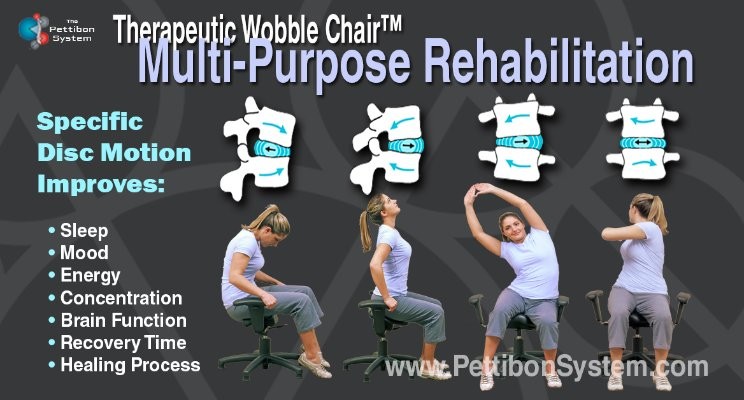
A wobble chair, also known as a balance or active sitting chair, can be beneficial in a chiropractic setting for several reasons:
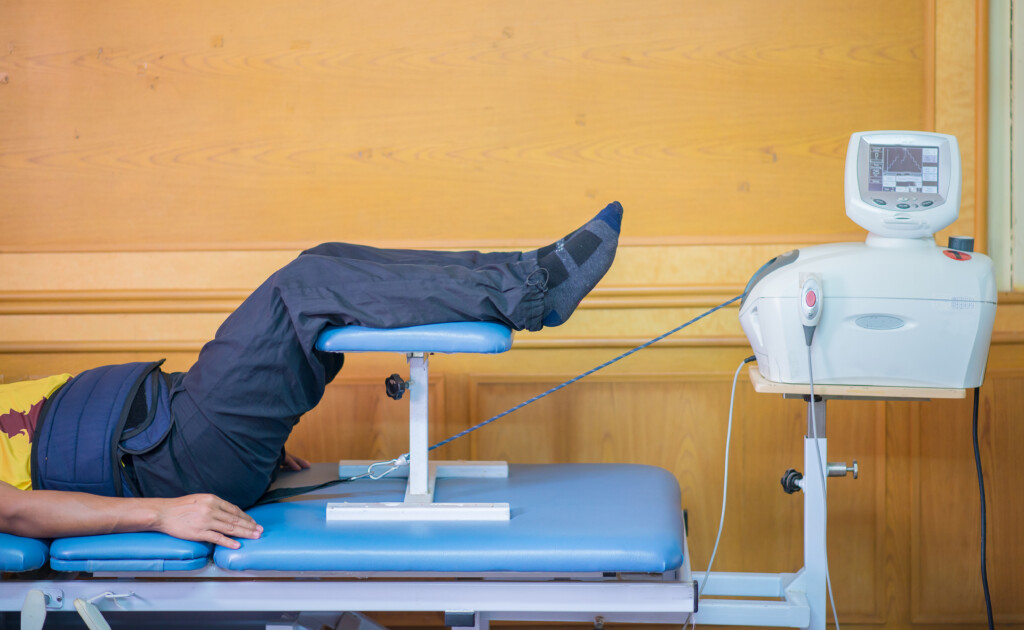
Spinal decompression is a therapeutic technique commonly used in chiropractic settings to alleviate pain and promote healing in the spine. It involves gently stretching the spine to relieve pressure on the intervertebral discs and nerves. Here's how spinal decompression is beneficial in a chiropractic setting:
At Compass we take pride in being able to provide the vast variety of different modalities and techniques and by having so many options at hand we can do our best to set each patient up for success in treatment.
All of these extra modalities and treatment are paramount for the success of each patient, but at our office we feel like the most important thing we offer is the time and attention to detail that we offer to every patient. We truly feel that what sets out office apart is the time that we spend with each patient to make sure they are getting that best care possible.
If you are reading this article and have any questions at all about treatments we provide, please reach out!
The world of science and medicine is increasingly recognizing the profound impact of the gut microbiome on human health. Within this complex ecosystem of trillions of microorganisms, one particular bacterium has been gaining significant attention: Akkermansia muciniphila. Known for its unique properties and potential health benefits, Akkermansia muciniphila is paving the way for a new frontier in gut health research and personalized medicine.
There have been many supplements that have claimed to be clinically proven for weight loss, but most of them are stimulant based which can create a insomnia, anxiety etc... Akkermansia muciniphila on the other hand has been shown to control fat accumulation and adipose tissue metabolism, as well as improve glucose homeostasis by reducing adiposity, fasting glucose, and insulin resistance.
A lower abundance of Akkermansia muciniphila has been associated with excess body fat and altered insulin secretion and glucose metabolism,whereas healthy lean people have a more abundant amount of Akkermansia (studies in PDF above).
Akkermansia muciniphila is a mucin-degrading bacterium residing in the mucus layer of the intestinal lining. Mucin is a gel-like substance that lines the gut and serves as a protective barrier. Akkermansia muciniphila has evolved to consume mucin as its primary source of nutrition. While it may sound counterintuitive, this bacterium plays a vital role in maintaining gut health.
A healthy gut barrier is essential to prevent the leakage of harmful substances from the intestines into the bloodstream. Akkermansia muciniphila contributes to the maintenance of this barrier by promoting mucin production and secretion. A stronger gut barrier is associated with a reduced risk of inflammatory diseases, including irritable bowel syndrome (IBS) and Crohn's disease.
Akkermansia muciniphila has garnered attention for its potential role in weight management and metabolic health. Studies have shown that individuals with a higher abundance of Akkermansia muciniphila in their gut microbiome tend to have a healthier body weight and improved glucose metabolism. This suggests that this bacterium may play a role in reducing the risk of obesity and type 2 diabetes.
Chronic inflammation is a key driver of various diseases, including cardiovascular disease and certain types of cancer. Akkermansia muciniphila appears to have anti-inflammatory properties, helping to reduce inflammation in the gut. This, in turn, can have a positive impact on systemic inflammation and overall health.
A healthy gut microbiome is closely linked to a strong immune system. Akkermansia muciniphila supports this connection by stimulating the production of beneficial immune cells and promoting the development of immune tolerance. This can help protect against infections and autoimmune diseases.
Emerging research is exploring the gut-brain connection, and Akkermansia muciniphila may play a part in this complex relationship. A healthy gut can positively influence mental health, and some studies suggest that this bacterium may have a role in reducing symptoms of depression and anxiety.
Akkermansia muciniphila is a remarkable bacterium with the potential to revolutionize gut health and improve overall well-being. Its benefits extend beyond the gut, impacting weight management, metabolic health, inflammation, and even mental health. While research is still in its early stages, it's evident that nurturing a diverse and balanced gut microbiome, which includes the growth of Akkermansia muciniphila, can be a proactive step towards better health. As the field of microbiome research advances, we can anticipate more personalized approaches to harness the full potential of this incredible microorganism.
For more information, check out teh NIH study on Akkermansia.
Look into these areas that may be causing some of the issues:
Ways to make improvements: