
In the beginning of the pandemic in 2020 many people became isolated. As the calls for “being in this together” and the fun working-from-home videos started to dwindle, I had an increase of people asking “so, any idea when you’ll be back to massage? My body NEEDS it!”
I was the first therapist back to work in my office in Bloomington. My books were instantly packed with people and more than once my clients told me they had been so lonely, isolated, starving for even just a hug. In the realm of bodywork we heard this often, especially from people that lived alone or didn’t have any relatives nearby.
Does it feel like you’re just dying for food, like normal starvation? Not really. Let me explain. Touch is one of the first things we start to process as babies and yet as we grow older we all process touch differently. We don’t just feel touch but we experience it. This is why isolation is a form of torture, it drains you of an entire sense, an entire experience.
Lack of touch has a cascade of negative effects - both somatic and emotional. We see an increase in anxiety, depression, and stress which in turn raises cortisol levels. “On an anatomical level, we see a surge in heart rate, blood pressure, respiration and muscle tension, and suppression of the digestive system and immune system. These often lead to problems achieving sound sleep.
I had clients on my table that had never gone two weeks without a massage, or even a hug or pat on the back. It had intense negative effects on many of my clients. Positive touch releases oxytocin, one of the happy and relaxing chemicals in our brain. This helps to counteract the sympathetic responses in our body.
No wonder people were having such a hard time in quarantine! Of course, there are instances and people that have a hard time receiving touch due to trauma, financial concerns, medical conditions, et cetera. Self-massage might be a good alternative to touch if touch is hard for you, or using things like foam rollers and back massagers.
(1) https://themapsinstitute.com/the-hidden-consequences-of-touch-starvation-and-how-youcan-leverage-the-healing-power-of-positive-touch/
(2) https://naturalhealthcourses.com/2016/09/touch-starvation-massage-therapy/
At Blue Elephant, we appreciate the uniquely bizarre and unapologetically bold. For us, small batch doesn’t mean small flavor, but rather much the opposite. As a micro roaster, it is our goal and opportunity to craft a coffee that’s just as distinctive and individual as yourself. With freshly roasted coffee made to every order, you can start your day with a cup of coffee unlike anything you can find on the shelf – something with flavor that’s impossible to ignore.
What began as a passion and love for coffee, became a way to share the wildly unique and varying flavors of each bean and roast. Blue Elephant Home Roasters grew and now offers coffee from regions like Costa Rica, Ethiopia, Guatemala and Columbia, with hopes of continuing to sample and explore the coffees of the world. It’s no coincidence that blue is often associated with depth and stability and is considered beneficial to the mind and body. It can produce a calming effect and even slow the human metabolism. Together with the wise and powerful symbol of the elephant, we hope to encourage people to enjoy these aspects in our coffee. Whether it’s in the early morning, before the chaos of the day, or shared between family and friends as a warm repose – Blue Elephant Home Roasters should be the only elephant in the room!
Questions or Orders - Click here to email Devin
Knee osteoarthritis is a common and debilitating condition that affects millions of people worldwide. It is characterized by the gradual degradation of the knee joint, leading to pain, stiffness, and reduced mobility. While there is no cure for osteoarthritis, various treatments and lifestyle changes can help manage its symptoms. One such approach involves harnessing the power of vitamin D, often referred to as the "sunshine vitamin." In this article, we will explore the benefits of vitamin D for knee osteoarthritis and how it can play a crucial role in maintaining joint health.
A study published in August of 2023 in Frontiers in Medicine showed that vitamin D administration had a statistically significant impact on the amount of synovial fluid, Visual Analog Scale (VAS) and tibial cartilage
Knee osteoarthritis is a degenerative joint disease that primarily affects the cartilage, a protective tissue covering the ends of bones in the knee joint. Over time, this cartilage begins to wear away, causing pain and discomfort. The condition can lead to stiffness, decreased mobility, and even disability in severe cases. Although osteoarthritis is often associated with aging, it can also result from injuries, obesity, and genetic factors.
Vitamin D is a fat-soluble nutrient that plays a crucial role in maintaining overall health. It is best known for its role in promoting strong bones and teeth by facilitating the absorption of calcium. However, recent research has shed light on the potential benefits of vitamin D in managing knee osteoarthritis. Here are some of the ways in which vitamin D can positively impact this condition:
1. Anti-Inflammatory Properties: Vitamin D has anti-inflammatory effects, which can help reduce the inflammation associated with knee osteoarthritis. Inflammation contributes to pain and joint damage, so managing it is essential in controlling the progression of the disease.
2. Cartilage Protection: Vitamin D may help protect and preserve the cartilage in the knee joint. It encourages the production of cartilage-forming cells and inhibits the enzymes responsible for cartilage breakdown.
3. Pain Management: Some studies have suggested that individuals with higher levels of vitamin D tend to experience less pain associated with knee osteoarthritis. Adequate vitamin D levels may also improve muscle function, which can help support the knee joint and reduce discomfort.
4. Muscle Strength: Weak muscles around the knee can exacerbate osteoarthritis symptoms. Vitamin D is known to play a role in muscle strength and function, which can help individuals with knee osteoarthritis maintain their mobility and lessen pain.
5. Bone Health: Strong bones are vital in supporting the knee joint. Vitamin D helps in calcium absorption, promoting bone density and preventing fractures or bone-related complications that can worsen the condition.
Vitamin D is commonly obtained through sunlight exposure, dietary sources, and supplements. Here are some strategies to ensure you're getting enough vitamin D to support knee osteoarthritis management:
1. Sunlight: Spending time outdoors in the sun can stimulate the body's production of vitamin D. Aim for 10-30 minutes of sun exposure on your skin several times a week, but be cautious of sunburn and skin cancer risks.
2. Dietary Sources: Include foods rich in vitamin D in your diet, such as fatty fish (salmon, mackerel, and sardines), fortified dairy products, eggs, and mushrooms. Check out this extensive list of foods with Vitamin D from Harvard.
3. Supplements: Consult with a healthcare professional to determine if vitamin D supplements are necessary. They can help you find the right dosage based on your individual needs. Here is the Vitamin D that we recommend from Metagenics - Amazon Link.
Also, check out our article on an Overlooked Cause of Knee Pain.
Knee osteoarthritis can be a challenging condition to manage, but the potential benefits of vitamin D should not be overlooked. Its anti-inflammatory properties, cartilage protection, and impact on muscle and bone health make it a valuable addition to an osteoarthritis management plan. Remember that vitamin D should be incorporated as part of a comprehensive approach, including lifestyle modifications and other medical treatments. Consulting with a healthcare provider is essential to determine the most suitable strategy for your specific needs. By harnessing the power of the sunshine vitamin, individuals with knee osteoarthritis can work towards a more comfortable and mobile life.
Breastfeeding is a beautiful and natural way to nourish your baby, but it can sometimes be a bit challenging, especially for new moms. Finding the right support and comfort during nursing sessions is important for both you and your baby's well-being. That's where a My Brest Friend nursing pillow can make a world of difference. In this blog post, we'll explore the numerous benefits of using a My Brest Friend feeding pillow to enhance your breastfeeding journey.
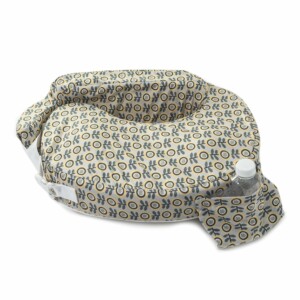
One of the primary advantages of the My Brest Friend nursing pillow is the exceptional support it provides. Unlike traditional pillows or cushions, this specially designed pillow wraps around your body, offering support to your back, shoulders, and arms. The firm, flat surface ensures your baby is at the correct feeding height, preventing strain on your neck and shoulders and allowing for a comfortable latch.
Achieving a good latch is crucial for successful breastfeeding. This pillow helps you maintain the proper positioning for your baby, making it easier for them to latch effectively. The raised, adjustable cushion ensures your baby is brought to the breast, rather than the other way around, reducing the risk of sore nipples and other breastfeeding-related discomforts.
This feeding pillow includes a handy pocket for keeping nursing supplies, such as nipple cream or burp cloths, within easy reach. This feature allows you to nurse your baby without needing to constantly reach for essentials, promoting a more relaxed and enjoyable breastfeeding experience. You can even free up a hand to browse your phone, read a book, or simply enjoy some well-deserved me-time.
One size doesn't fit all, and this pillow understands that. The My Brest Friend nursing pillow is adjustable, accommodating a variety of body shapes and sizes. Whether you're petite or plus-sized, this pillow can be tailored to your unique needs. The versatility also allows you to use it for other purposes, like tummy time or supporting your baby during their early stages.
Breastfeeding is a beautiful way to bond with your baby, and the comfort of the this pillow enhances this connection. The ergonomic design keeps your baby close to your chest, fostering a sense of security and closeness that is vital in their early stages of life. It can also be a comfortable place for your little one to rest or nap after feeding.
My Brest Friend pillows are designed with convenience in mind. They come with a removable, machine-washable cover, making it simple to keep it clean and fresh. As any parent knows, easy maintenance is a valuable feature when it comes to baby products.
The benefits of using a My Brest Friend nursing pillow are numerous and significant for both mother and baby. The superior support, proper positioning, and customization make it an invaluable tool for enhancing your breastfeeding journey. This pillow not only promotes successful breastfeeding but also contributes to the comfort, convenience, and bonding experience of nursing your baby. If you're a new mother or an experienced one looking for the best possible breastfeeding support, a nursing pillow is a wise investment that can positively impact your breastfeeding experience.
by Neysa Elbon
It may be obvious to folks that have utilized therapeutic massage for years that it can help relieve the aches and pains of daily life. As a Licensed Massage Therapist writing this article, I am seeing more and more clients in their 40s, 50s, and even 60s who have never thought to try massage for their back pain. When I ask why they have not tried massage, nine times out of ten the response is, “I never thought about it!” It has come to my attention that the reason for this is that massage therapy is seen as a luxury in our society and not a medical based practice. In this short article, I will support my belief that therapeutic massage is a legitimate medical based treatment for one of the most common ailments I see on a day-to-day basis.
Many Americans know back pain very well. Whether it is from sitting all day, lifting heavy objects for work, or an injury from a car accident or a sport, nearly 65 million Americans report some sort of back pain according to the Georgetown University Health Policy Institute. (1) A review of various medical articles found that back pain sufferers are seeking out alternative therapies when conventional therapies have limited success. According to the article, massage therapy has been found to be an effective solution for clients seeking relief. (2)
A chief complaint I hear from my clients is how they wake up in the middle of the night, sometimes multiple times, due to the pain they are feeling throughout the night. According to a small study, the participants received a 30 minute massage twice per week for five weeks compared to other participants that were practicing relaxation therapy. At the end of the study, the massage therapy participants reported less pain, less depression, less anxiety, and less sleep disturbance compared to the relaxation group. (3)
Massage also helps the workforce, especially when massage is provided within the workplace. Massage at work has been shown to “provide benefits such as positive influence in corporate culture and increased productivity.” (4) People with back pain have a higher risk of work absenteeism (5), so it is no wonder that relieving a worker’s back pain may help them call off fewer days.
Do you have back pain and think massage therapy may be the right fit for you? Consult with your doctor then schedule an appointment here at Compass Chiropractic! We have massage hours in the morning and the afternoon. Visit www.compassindy.com for more details!
In today's fast-paced world, finding time for exercise can be a challenge. The demands of work, family, and social life often leave us with limited windows for traditional workout sessions. But what if there was a solution that could help you stay active and maintain your fitness goals in just a few minutes a day? Enter micro workouts – the mini miracle that's transforming the way we think about fitness.
Micro workouts are short, intense bursts of exercise that can be completed in just a few minutes. They are designed to be convenient and can be done virtually anywhere, without the need for any special equipment. Whether you're at home, in the office, or even waiting for your coffee to brew, you can squeeze in a micro workout to boost your health and well-being.
The most significant advantage of micro workouts is their time efficiency. With micro workouts, there's no need to block off an hour of your day to hit the gym. Instead, you can break your exercise into smaller, manageable chunks that can be sprinkled throughout your day. A 5-minute micro workout in the morning, another during your lunch break, and one more before bedtime can add up to a substantial amount of daily exercise.
One of the main reasons people struggle to maintain a regular workout routine is a lack of consistency. Micro workouts can help bridge this gap by allowing you to stay active throughout the day. This consistent approach to exercise can be more effective in the long run compared to sporadic, longer sessions.
Micro workouts often involve high-intensity exercises, such as quick bodyweight exercises or short bursts of cardio. These intense efforts can significantly boost your metabolism and keep it elevated for hours after you finish, aiding in calorie burning and weight management.
Regular physical activity is essential for maintaining good health. Micro workouts can help reduce the risks associated with a sedentary lifestyle, such as obesity, heart disease, and diabetes. Even short bouts of exercise have been shown to improve cardiovascular health and lower blood pressure. People typically develop sports injuries from overtraining which is less likely with micro workouts.
If you ever find yourself struggling with mid-afternoon slumps or feeling lethargic during the day, a quick micro workout can be just what you need to re-energize. Physical activity stimulates the release of endorphins, which can enhance your mood and increase your energy levels.
Micro workouts are not just beneficial for physical health; they also work wonders for mental well-being. Short bursts of exercise can reduce stress and anxiety, improve cognitive function, and enhance focus and productivity.
Micro workouts can be tailored to target specific muscle groups. For example, a quick set of squats, push-ups, or planks can help tone your legs, chest, or core, respectively. By incorporating these micro workouts into your daily routine, you can achieve a well-rounded level of muscle tone.
The convenience of micro workouts cannot be overstated. You don't need access to a gym or any special equipment. Whether you're at home, the office, or traveling, you can always find a few minutes to sneak in some exercise.
Micro workouts are a revolutionary approach to fitness, offering a plethora of benefits that cater to our busy lives and demanding schedules. By making the most of these short, intense bursts of exercise, we can improve our physical and mental health, all while accommodating the constraints of our daily routines. So, next time you find yourself with a few minutes to spare, consider investing in a micro workout – your body and mind will thank you.
When it comes to improving sleep quality and overall well-being, many people explore various remedies and techniques. One such practice gaining popularity is mouth taping, a seemingly unconventional method that might just revolutionize the way you sleep and breathe. In this article, we will delve into the concept of mouth taping, its benefits, and how it could lead to a healthier, more restful night's sleep.
Mouth taping is a simple yet effective technique where you place a small piece of medical tape (or a specialized mouth tape) over your lips before going to bed. The idea behind it is to encourage nasal breathing during sleep, keeping your mouth closed throughout the night. While it may sound unusual, the practice has a solid foundation in science and has gained recognition for its potential health benefits.
Mouth taping promotes nasal breathing, which can lead to deeper and more restful sleep. Nasal breathing helps activate the diaphragm, increasing oxygen intake and ensuring a better flow of air. With your mouth closed, you're less likely to experience interruptions in your sleep due to snoring or breathing difficulties.
Snoring is a common issue that can disrupt not only your sleep but also that of your partner. Mouth taping encourages nasal breathing, which often reduces or eliminates snoring. This can lead to more peaceful nights and a happier household.
Mouth taping ensures that you breathe through your nose, which helps filter, humidify, and warm the air entering your lungs. This leads to increased oxygen absorption and can be particularly beneficial for those with sleep apnea, asthma, or other respiratory issues.
By keeping your mouth closed during sleep, mouth taping can also help protect your teeth and gums. Breathing through the mouth at night can lead to dry mouth, which creates an environment conducive to the growth of harmful bacteria. Nasal breathing maintains a moist environment, reducing the risk of dental issues.
While mouth taping isn't a replacement for professional treatment, it may complement existing therapies for conditions like sleep apnea or snoring. Some people report a reduction in sleep apnea symptoms, although it's essential to consult with a healthcare provider for a comprehensive evaluation and treatment plan.
1. Use specialized mouth tape or hypoallergenic medical tape to prevent any adverse reactions.
2. Apply a small strip of tape vertically across your lips, ensuring it is not too tight and does not obstruct your ability to open your mouth in case of an emergency.
3. If you experience discomfort or have trouble breathing through your nose, discontinue the practice and consult a healthcare professional.
4. Start gradually and give your body time to adjust to this new routine.
Mouth taping is a simple yet potentially transformative practice that can lead to improved sleep quality, reduced snoring, better overall health, and enhanced oral hygiene. While it might take some time to get used to this method, many individuals have reported positive results. As with any new health routine, consult with a healthcare provider before implementing mouth taping, especially if you have pre-existing medical conditions. With better sleep and the potential for numerous health benefits, mouth taping might be a game-changer for your nightly routine.
A car accident can be frightening and disorienting. Knowing what to do next can help protect your immediate safety, organize important information, and make it easier to communicate with medical providers, law enforcement, and insurance companies.
This Indianapolis-focused guide provides general information—not medical or legal advice. Call 911 for emergencies and follow instructions from law enforcement and qualified healthcare professionals.
Turn on your hazard lights and, if the vehicles can be moved safely and local authorities instruct you to do so, move out of active traffic. Do not move anyone who may have a serious neck, back, or head injury unless remaining in place presents an immediate danger.
Request emergency help for loss of consciousness, confusion, severe or worsening pain, chest or abdominal pain, difficulty breathing, uncontrolled bleeding, difficulty walking, or new weakness or numbness. When in doubt, seek emergency evaluation.
Contact law enforcement and provide clear, factual information. An official report may be useful when communicating with insurers or other professionals. Ask how and when you can obtain a copy of the report.
Collect the other driver’s name, contact information, driver’s-license information, license-plate number, vehicle information, and insurance details. If witnesses are present, ask for their contact information. Avoid photographing or sharing more personal information than is reasonably necessary.
If it is safe, photograph vehicle damage, license plates, the roadway, traffic signals, debris, skid marks, weather conditions, and the vehicles’ positions. Write down the time, location, and your recollection of what occurred while events are still fresh.
Cooperate with law enforcement and insurers, but avoid guessing about injuries, damage, speed, or fault. If you need guidance about your legal rights or obligations, consult a qualified Indiana attorney; Compass Chiropractic and Massage does not provide legal advice.
Some people notice pain or stiffness immediately, while others develop symptoms over the following hours or days. Possible musculoskeletal symptoms include neck pain, low-back pain, headaches, shoulder discomfort, muscle soreness, or reduced movement.
Seek prompt medical attention for severe, worsening, neurological, or otherwise concerning symptoms. Do not assume that delayed symptoms are minor simply because they were not noticeable at the scene.
Report the collision according to your policy’s requirements and ask what documentation is needed. Some Indiana policies include Medical Payments coverage, often called MedPay, but benefits, limits, exclusions, and patient responsibility vary. Confirm coverage directly with your insurer; no provider can guarantee payment.
Save the police-report information, photographs, repair estimates, claim numbers, medical records, receipts, and correspondence. Keep notes about symptoms and how they affect work, sleep, driving, exercise, and daily activities. Accurate records can help the professionals involved understand what has occurred.
Follow recommendations from qualified professionals and keep them informed about significant changes. After urgent or serious injuries have been ruled out, conservative care may be appropriate for some collision-related musculoskeletal symptoms.
Coverage and legal obligations depend on the policy and circumstances. Ask your insurer or a qualified attorney for advice about your specific situation.
If emergency injuries have been ruled out but pain, stiffness, headaches, or limited movement interfere with daily activities, an examination can help determine whether conservative care is appropriate or whether additional medical evaluation or imaging should be considered.
At Compass Chiropractic and Massage, a post-accident evaluation may include a health and collision history, movement and range-of-motion assessment, and discussion of reasonable next steps. When appropriate, an individualized plan may include chiropractic care, massage therapy, mobility work, or rehabilitation exercises.
Learn more about our auto accident and car accident chiropractic care in Indianapolis.
There is no single timetable for every person or collision. Seek immediate attention for emergency warning signs. For non-emergency pain, stiffness, headaches, or reduced movement, contact a qualified provider promptly to discuss whether an examination is appropriate.
Bring a photo ID, a current medication list, and any available medical reports. If you plan to use automobile-insurance benefits, bring the accident date and available policy or claim information. The office can explain what additional information may be needed.
It depends on the policy, claim, benefits, and circumstances. Review our insurance information and confirm benefits directly with your insurer. Compass does not guarantee coverage or a particular out-of-pocket amount.
If you are deciding whether to schedule an evaluation, read our guide to how soon to see a chiropractor after a car accident, including symptoms that may require emergency care.
If urgent injuries have been ruled out and you are experiencing musculoskeletal pain or limited movement after a collision, call Compass Chiropractic and Massage at 317-257-2800, text 833-272-6021, or visit our automobile-accident care page to learn more.
This article provides general information and is not a diagnosis, medical advice, legal advice, or a guarantee of results or insurance coverage.
In today's health-conscious world, many of us opt for artificial sweeteners as a guilt-free alternative to sugar. They promise the sweetness of sugar without the extra calories, making them a popular choice for weight-conscious individuals and those with diabetes. However, a recent study has shed light on a surprising connection between artificial sweeteners and anxiety. Could your zero-calorie sweetener be impacting your mental well-being? Let's explore the findings of this groundbreaking research.
Artificial sweeteners have long been under scrutiny for their potential health risks. While they have been deemed safe by regulatory agencies like the FDA and are widely used in various products, concerns about their long-term effects have persisted. These sugar substitutes, including aspartame, saccharin, sucralose, and steviol glycosides (derived from the Stevia plant), are commonly found in sugar-free or "diet" foods and beverages.
In recent years, researchers have begun to investigate the effects of artificial sweeteners on our bodies, with a particular focus on how they might influence our mental health. One such study, published in the journal "Neurobiology of Stress" in 2022, set out to explore the link between artificial sweeteners and anxiety. The findings were eye-opening. In another study mice were given water containing aspartame and given different maze tests. These mice that consumed the aspartame demonstrated anxiety-ike behaviors.
The researchers conducted experiments on mice to examine the impact of commonly used artificial sweeteners on the brain. They discovered that consistent consumption of artificial sweeteners led to an increase in anxious behavior in the mice. Moreover, the sweeteners seemed to alter the gut microbiota composition in the rodents, which is known to play a crucial role in regulating mood and behavior.
The gut-brain connection is a burgeoning field of research, and its significance cannot be overstated. The gut is home to trillions of microbes that collectively make up the gut microbiota. These microorganisms play a pivotal role in digestion, nutrient absorption, and even mood regulation. The communication between the gut and the brain, known as the gut-brain axis, is a complex and dynamic process.
The study linking artificial sweeteners and anxiety highlights the potential disruption of this crucial communication system. It suggests that the consumption of these sugar substitutes may alter the composition of gut bacteria in a way that triggers anxiety-like behavior in individuals.
While the study was conducted on mice, its findings raise important questions about the potential impact of artificial sweeteners on human mental health. Many individuals consume artificial sweeteners daily, often believing them to be a healthier alternative to sugar. However, the long-term consequences of this habit remain uncertain.
It's essential to note that this study is just one piece of the puzzle, and more research is needed to fully understand the relationship between artificial sweeteners and anxiety in humans. Factors like genetics, individual sensitivities, and diet could also play a role.
If you're concerned about the potential link between artificial sweeteners and anxiety, here are some practical steps you can take:
1. Moderation: Consider reducing your consumption of artificial sweeteners. Opt for natural sweeteners like honey or maple syrup in moderation.
2. Read Labels: Pay close attention to food and beverage labels to identify products containing artificial sweeteners.
3. Whole Foods: Choose whole, unprocessed foods whenever possible. These are less likely to contain artificial sweeteners.
4. Consult a Professional: If you have specific dietary concerns or are experiencing anxiety or mood-related issues, consult a healthcare professional for personalized advice.
The study linking artificial sweeteners and anxiety is a reminder that our dietary choices may have broader implications for our health than we realize. While more research is needed to establish a definitive link in humans, it's wise to approach artificial sweeteners with caution and consider alternative sweetening options. Your mental well-being could be more closely tied to your diet than you think.
Orthotic insoles have long been a solution for individuals seeking relief from foot discomfort and improved lower limb alignment. Among the various options available, Apex pre-fabricated (pre-fab) orthotics stand out for their exceptional quality and effectiveness. These off-the-shelf orthotic insoles have gained popularity among podiatrists, athletes, and everyday users alike. In this article, we'll explore the numerous benefits of using Apex pre-fab orthotics and how they can enhance your overall foot health and comfort.
Apex pre-fab orthotics are designed to provide customizable support to individuals with varying arch shapes and foot conditions. They come with various arch heights and shapes, allowing users to choose the insole that best matches their specific needs. Whether you have flat feet, high arches, or neutral arches, there's an Apex pre-fab orthotic that can offer the support you require.
One of the immediate benefits of using Apex pre-fab orthotics is enhanced comfort. These insoles are crafted from high-quality materials that provide cushioning and shock absorption. This helps reduce the impact on your feet during daily activities, whether you're walking, running, or standing for long periods. The added comfort can alleviate foot pain and fatigue, making it easier to stay on your feet throughout the day.
Apex pre-fab orthotics are designed with biomechanical principles in mind. They are engineered to promote proper foot and lower limb alignment. By supporting the arch and controlling excessive pronation or supination, these insoles can help improve posture, reduce joint stress, and prevent overuse injuries. Better alignment can also lead to improved gait and reduced strain on the knees, hips, and lower back.
Pre-fab orthotics can provide much-needed relief for individuals dealing with a range of common foot conditions. These conditions include plantar fasciitis, flat feet, metatarsalgia, and bunions, among others. Apex pre-fab orthotics offer targeted support and cushioning to alleviate pain and discomfort associated with these conditions, helping users regain mobility and comfort.
Custom-made orthotics can be expensive and may not be covered by insurance. Apex pre-fab orthotics offer an affordable alternative without compromising on quality or effectiveness. They provide many of the benefits of custom orthotics at a fraction of the cost, making them accessible to a wider range of individuals seeking foot comfort and support.
Apex pre-fab orthotics are versatile and can be easily moved between different pairs of shoes. This means you can enjoy their benefits in your athletic shoes, work boots, casual footwear, and even dress shoes. The convenience of having a single pair of orthotic insoles that can be used in various shoes simplifies your daily routine and ensures consistent support wherever you go.
Many podiatrists and healthcare professionals recommend Apex pre-fab orthotics to their patients due to their proven effectiveness. These orthotic insoles have undergone rigorous testing and adhere to high-quality standards, earning the trust of medical practitioners.
Apex pre-fab orthotics offer a practical and effective solution to many common foot-related problems. Their customizable support, enhanced comfort, alignment-improving properties, and affordability make them a popular choice among those seeking foot pain relief and improved overall foot health. By choosing Apex pre-fab orthotics, you can step into a world of comfort and mobility, leaving foot discomfort behind.