Are opioids no better than placebo? In a groundbreaking development, a landmark clinical trial has revealed that opioids, the commonly prescribed pain medications, are no more effective than placebos in treating chronic back and neck pain. The study's findings challenge the conventional medical wisdom surrounding opioid prescriptions for these conditions, shedding light on the need for alternative approaches to pain management. The trial's outcomes have significant implications for patients, healthcare providers, and policymakers alike, potentially leading to a paradigm shift in the treatment of chronic pain.
Chronic pain is a debilitating condition affecting millions of people worldwide, often leading to a reduced quality of life and increased healthcare costs. Over the past two decades, the United States has been gripped by an opioid epidemic, fueled in part by the overprescription of opioids to manage chronic pain. Opioids, such as oxycodone and hydrocodone, were once considered the go-to solution for pain relief. However, mounting evidence has suggested their limited efficacy, potential for addiction, and adverse side effects.
The groundbreaking trial, conducted by a team of researchers from multiple institutions, aimed to evaluate the effectiveness of opioids compared to non-opioid medications and placebo for treating chronic back pain or hip or knee osteoarthritis pain. The study involved over 2,000 participants who were randomly assigned to receive either opioids or non-opioid medications for 12 months.
The results of the trial were surprising. They demonstrated that opioids were no more effective than placebo in providing pain relief for individuals suffering from chronic back pain or hip or knee osteoarthritis pain. Moreover, the trial revealed that non-opioid medications, including acetaminophen and nonsteroidal anti-inflammatory drugs (NSAIDs), yielded similar outcomes to opioids and placebos. These findings suggest that non-opioid alternatives can be just as effective in managing chronic pain.
The implications of this landmark trial are significant. It challenges the prevailing practice of opioid prescriptions for chronic back and neck pain, highlighting the urgent need for a shift in pain management strategies. Healthcare providers must reevaluate their approach to pain treatment, focusing on non-opioid options as the primary line of defense. This trial reinforces the importance of considering a holistic approach to chronic pain management, including chiropractic, physical therapy, acupuncture, exercise, cognitive-behavioral therapy, and other non-pharmacological interventions.
Moreover, the study's results underscore the necessity for enhanced patient education regarding pain management. Patients need to understand the risks and limited benefits of opioids, as well as be informed about alternative therapies available to them. By promoting patient empowerment and shared decision-making, healthcare providers can help reduce reliance on opioids and prioritize safer and more effective treatment options.
Policymakers also play a crucial role in addressing the opioid crisis and improving pain management practices. This landmark trial should prompt policymakers to review existing regulations and policies regarding opioid prescriptions, and to promote policies that encourage the use of non-opioid treatments for chronic pain. Additionally, increased funding for research into non-pharmacological interventions for chronic pain is necessary to provide patients with a wider range of evidence-based alternatives.
The 'landmark' trial's findings have shed light on the ineffectiveness of opioids for chronic back and neck pain, demonstrating that these medications are no better than placebos in providing relief. This discovery has far-reaching implications for patients, healthcare providers, and policymakers, necessitating a reevaluation of pain management strategies. By prioritizing non-opioid alternatives and implementing multidisciplinary approaches to chronic pain, we can strive towards a safer and more effective future for pain management, reducing the risks associated with opioids and improving the lives of countless individuals
In a surprising announcement, the World Health Organization (WHO) recently declared a commonly used sweetener as a possible carcinogen, sending shockwaves throughout the food industry and sparking a heated debate among experts. This unexpected finding has left many consumers questioning the safety of their favorite products and has triggered calls for further research to validate or refute the claim. This article delves into the controversy surrounding the WHO's declaration and explores the potential implications for public health.
The sweetener in question is aspartame, a low-calorie artificial sweetener that has been widely used for decades. Aspartame is found in a variety of food and beverage products, including diet sodas, sugar-free chewing gums, tabletop sweeteners, and many processed foods labeled as "sugar-free" or "low-sugar." It is estimated that millions of people consume aspartame on a daily basis.
The WHO's International Agency for Research on Cancer (IARC) conducted a comprehensive review of aspartame, aiming to assess its potential carcinogenicity. After thoroughly analyzing the available scientific evidence, the IARC classified aspartame as a Group 2B substance, meaning it is possibly carcinogenic to humans.
This classification places aspartame in the same category as various other substances like cell phone radiation, pickled vegetables, and coffee. It is essential to note that the Group 2B classification does not imply that aspartame is definitively a carcinogen. Rather, it suggests that there is limited evidence indicating a potential risk and that further research is needed to ascertain any conclusive link.
Even if we determine that Aspartame is not a carcinogen it can be a cause of GI discomfort.
The WHO's declaration on aspartame has been met with criticism and skepticism from numerous experts. Many argue that the existing scientific evidence does not provide a substantial basis for such a classification. They point to extensive studies conducted by regulatory bodies, including the U.S. Food and Drug Administration (FDA) and the European Food Safety Authority (EFSA), which have consistently deemed aspartame safe for consumption.
These organizations have conducted rigorous assessments, reviewing large-scale epidemiological studies, animal studies, and human clinical trials. The consensus among regulatory agencies worldwide has consistently supported the safety of aspartame when consumed within acceptable daily intake limits.
One of the challenges in assessing the safety of aspartame lies in the conflicting research findings. While some studies have suggested a possible association between aspartame consumption and certain cancers, including lymphomas and leukemia, other studies have found no such correlation. This discrepancy makes it difficult to draw definitive conclusions.
Moreover, it is worth considering that many factors can contribute to cancer development, including genetic predispositions, lifestyle choices, and environmental exposures. Isolating the impact of a single food ingredient in a complex web of contributing factors remains a challenging task.
The WHO's declaration has understandably left consumers feeling concerned about their dietary choices. However, it is important to note that the occasional consumption of aspartame, within recommended limits, is unlikely to pose significant health risks. Moderation and a balanced diet, as advised by health authorities, remain key to overall well-being.
The controversy surrounding aspartame highlights the importance of continued research to evaluate the safety of food additives comprehensively. Additional studies should focus on clarifying any potential risks and providing clearer guidance for consumers and manufacturers.
Regulatory bodies worldwide must collaborate to ensure a standardized approach to assessing food additives' safety. Transparency in the evaluation process and clear communication of findings to the public are crucial to prevent unwarranted alarm and to promote evidence-based decision-making
Low back pain is a common ailment that affects millions of people worldwide. While there can be various causes for this discomfort, one often overlooked factor is the tightness of the hips. The hips and the lower back are intricately connected, and when the hip muscles become tight and inflexible, it can lead to imbalances and strain on the lower back. In this blog post, we will delve into the connection between tight hips and low back pain, and explore ways to address this issue effectively.
Understanding the Hip-Low Back Relationship
The hips and the lower back are part of a complex network of muscles, ligaments, and joints that work together to provide stability, support, and mobility to the body. When the hip muscles, such as the hip flexors and glutes, become tight, they can impact the alignment and movement patterns of the pelvis and spine, leading to low back pain. Here's how it happens:
Addressing Tight Hips to Alleviate Low Back Pain
Conclusion
Understanding the relationship between tight hips and low back pain is crucial for maintaining a healthy and pain-free body. By addressing tightness in the hip muscles and incorporating stretching, strengthening, and postural adjustments into our daily routines, we can alleviate low back pain, improve hip mobility, and promote overall well-being. Remember, a balanced and mobile body starts with healthy hips, so take
In the pursuit of optimal health and well-being, we often find ourselves seeking natural solutions that can promote vitality and balance within our bodies. When it comes to essential nutrients, the power of magnesium takes center stage as a mineral with a wide range of benefits. From supporting overall health to boosting energy levels and promoting relaxation, magnesium has earned its reputation as a true powerhouse. Join us as we delve into the world of magnesium and uncover its remarkable benefits.
Magnesium plays a pivotal role in cellular energy production. It is a cofactor in the production of adenosine triphosphate (ATP), the primary source of energy in our cells. By ensuring optimal ATP synthesis, magnesium helps increase energy levels, improve endurance, and combat fatigue. If you often find yourself feeling depleted or lacking stamina, incorporating magnesium-rich foods or supplements into your routine may give you the boost you need.
Magnesium works hand in hand with calcium and vitamin D to maintain strong and healthy bones. It aids in the absorption and metabolism of calcium, contributing to bone mineralization. Research suggests that higher magnesium intake is associated with increased bone mineral density, reducing the risk of osteoporosis and fractures. By incorporating magnesium-rich foods like leafy greens, nuts, seeds, and whole grains into your diet, you can promote long-term bone health.
Magnesium plays a vital role in maintaining cardiovascular health. It supports proper heart rhythm, helps relax blood vessels, and regulates blood pressure. Studies indicate that individuals with higher magnesium intake have a reduced risk of developing heart disease and stroke. Moreover, magnesium may aid in preventing the accumulation of plaque in the arteries, minimizing the risk of atherosclerosis. Prioritizing magnesium-rich foods, such as dark chocolate, avocados, and legumes, can be a heart-healthy choice.
If you frequently experience muscle cramps, twitches, or spasms, magnesium might hold the key to relief. Magnesium supports muscle function by aiding calcium absorption, relaxing muscle fibers, and preventing excessive contractions. Athletes and active individuals often find magnesium supplements beneficial for reducing exercise-induced muscle soreness and promoting faster recovery. Additionally, magnesium can help ease tension headaches and promote overall relaxation of both the body and mind.
Magnesium plays a vital role in regulating neurotransmitters and supporting healthy brain function. It contributes to the production of serotonin, a neurotransmitter known as the "feel-good" hormone, which plays a significant role in mood regulation. Studies have shown that magnesium supplementation may help alleviate symptoms of anxiety and depression. Its calming effect on the nervous system can also improve sleep quality, promoting a more restful and rejuvenating slumber.
Magnesium plays a crucial role in maintaining healthy blood sugar levels by supporting insulin function. Insulin is a hormone responsible for transporting glucose from the bloodstream into cells, where it can be used for energy. Magnesium helps insulin effectively transport glucose, improving insulin sensitivity and reducing the risk of insulin resistance. Studies have shown that higher magnesium intake is associated with a decreased risk of type 2 diabetes. By ensuring adequate magnesium intake through diet or supplementation, you can support healthy blood sugar regulation.
Insulin sensitivity refers to how responsive cells are to the effects of insulin. Reduced insulin sensitivity is a common characteristic of insulin resistance and can lead to elevated blood sugar levels. Magnesium has been shown to enhance insulin sensitivity, allowing cells to efficiently utilize glucose. By improving insulin sensitivity, magnesium helps prevent spikes and crashes in blood sugar levels, creating a more stable and balanced metabolic environment.
For individuals with diabetes or prediabetes, maintaining glycemic control is of utmost importance. Magnesium supplementation has been shown to positively impact glycemic control markers, such as fasting blood sugar levels, postprandial (after-meal) blood sugar levels, and glycated hemoglobin (HbA1c) levels. These markers indicate how well blood sugar is managed over time. By incorporating magnesium into their regimen, individuals with diabetes can potentially improve their overall glycemic control and reduce the risk of complications.
Magnesium is a remarkable mineral that offers an array of health benefits, ranging from improved energy levels and enhanced bone health to heart protection and mental well-being. Whether you choose to increase your magnesium intake through diet or supplementation, it's important to consult with your healthcare provider to determine the optimal dosage for your needs. By embracing the power of magnesium, you can pave the way for a healthier, more vibrant life. Remember, sometimes the simplest solutions can make the biggest difference.
I am a fan of Natural Calm because it is a powder that you mix with water and therefore it is easier to absorb. It is also easier to moderate your dosage with a powder as opposed to a pill. It is not uncommon to experience gurgles in your stomach or lose stools if you take too much magnesium which is why it is so important to be able to fine tune the dosage.
When it comes to comfortable footwear, flip flops have long been a favorite choice for casual wear. However, not all flip flops are created equal. If you're looking for a pair that not only provides comfort but also offers a range of benefits for your feet, Achie's Flip Flops are worth considering. With their innovative design and focus on foot health, Achie's Flip Flops have gained popularity among those seeking a balance between style, comfort, and foot support. Join us as we explore the unique benefits of wearing Achie's Flip Flops and why they might just become your go-to footwear choice.
One of the standout features of Achie's Flip Flops is their superior arch support. Unlike traditional flip flops that offer minimal arch support, Achie's Flip Flops are designed with contoured footbeds that provide excellent support for the arches of your feet. This feature helps distribute weight more evenly, reduces stress on the arches, and promotes better alignment. Whether you have high arches or flat feet, Achie's Flip Flops can help alleviate discomfort and provide the support your feet need. Do you need arch support? Here are seven signs that you might need arch support.
Walking on hard surfaces can take a toll on your feet and joints, leading to fatigue and discomfort. Achie's Flip Flops address this issue by incorporating cushioning and shock-absorbing materials into their design. The footbeds are often made from soft, comfortable materials like EVA (ethylene-vinyl acetate) or memory foam, which provide a cushioned and responsive feel with each step. This extra cushioning helps minimize impact, reducing the strain on your feet and providing a more comfortable walking experience. This not only helps the feet, but takes pressure off the knees, hips and lower back.
Improper alignment and posture can contribute to various foot and leg problems, including plantar fasciitis, knee pain, and lower back pain. Achie's Flip Flops prioritize proper alignment by offering features such as heel cups and contoured footbeds. These elements help stabilize your feet and encourage a more natural gait, aligning your body from the ground up. By promoting better alignment and posture, Achie's Flip Flops can alleviate discomfort and potentially prevent long-term foot issues.
Nobody likes sweaty feet, especially during warm weather. Achie's Flip Flops are designed with breathable materials, allowing air to circulate around your feet and reducing the likelihood of excessive moisture buildup. This breathability helps keep your feet cool, dry, and comfortable, even on hot summer days. By promoting proper ventilation and moisture control, Achie's Flip Flops help minimize the risk of fungal infections and unpleasant odors.
While comfort and foot support are essential, style is not overlooked in Achie's Flip Flops. They come in a variety of designs, colors, and patterns, allowing you to express your personal style while enjoying the benefits they offer. Whether you prefer a classic look or a more vibrant and fun design, Achie's Flip Flops offer options for every taste and occasion. From beach outings to casual strolls, they are versatile enough to complement a range of outfits and activities.
Achie's Flip Flops go beyond the ordinary, offering a range of benefits that prioritize foot health, comfort, and style. With enhanced arch support, cushioning, proper alignment, breathability, and versatile designs, Achie's Flip Flops are a step above traditional flip flops. By choosing footwear that provides optimal support and comfort, you can alleviate foot discomfort, improve posture, and enjoy a more enjoyable walking experience. So, give your feet the care they deserve and consider slipping into a pair of Achie's Flip Flops for your
Do you need a detox? If you would like to know if you are a good candidate for a detox, complete the following questionnaire:
(last link on the page)
In today's fast-paced world, where stress, pollutants, and unhealthy lifestyle choices abound, our bodies often bear the consequences. The concept of detoxification, or simply detox, has gained immense popularity as a means to rejuvenate and revitalize the body. But what exactly is detoxification, and what benefits does it offer? In this blog post, we will explore the transformative benefits of engaging in a detox program and how it can positively impact our overall well-being.
One of the primary benefits of detoxification is the elimination of harmful toxins from our bodies. Toxins can enter our system through various sources such as processed foods, environmental pollutants, and even stress. Detox programs typically involve dietary modifications, herbal supplements, and other practices that support the body's natural detoxification processes, such as sweating or boosting liver function. By assisting the body in eliminating these toxins, detoxification can promote better organ function, improved digestion, and a strengthened immune system.
As toxins accumulate in our bodies, they can contribute to feelings of sluggishness and fatigue. Detox programs often involve eliminating or reducing the consumption of caffeine, alcohol, processed foods, and other energy-depleting substances. By nourishing our bodies with whole, nutrient-rich foods and giving them a break from harmful substances, detoxification can replenish energy levels, leaving us feeling more vibrant, revitalized, and ready to take on life's challenges.
Toxins not only affect our physical well-being but can also cloud our mental faculties. Many people report experiencing improved mental clarity and focus after completing a detox program. By eliminating the substances that contribute to brain fog and replacing them with wholesome foods, detoxification supports optimal brain function. This mental clarity can help us think more clearly, make better decisions, and boost overall productivity.
Detoxification can play a significant role in weight management and digestive health. Unhealthy eating habits, overconsumption of processed foods, and a sedentary lifestyle can lead to weight gain and digestive issues. Detox programs often encourage the consumption of whole, unprocessed foods, high-fiber diets, and increased water intake. These practices can support digestion, promote healthy bowel movements, and assist in weight management. Moreover, detoxification can help break unhealthy food addictions and cravings, paving the way for long-term lifestyle changes.
A strong immune system is vital for defending against illnesses and maintaining optimal health. Detoxification programs, by eliminating toxins and supporting organ function, can help strengthen the immune system. When our bodies are burdened with toxins, our immune system may become compromised, leaving us susceptible to infections and diseases. Detoxification provides the body with an opportunity to heal and regenerate, leading to improved immune function and a greater ability to fight off pathogens.
Embarking on a detoxification journey can be a powerful way to reset, recharge, and optimize our overall well-being. By supporting our bodies' natural detoxification processes and eliminating toxins, we can experience a wide range of benefits, including increased energy, mental clarity, weight management, and a strengthened immune system. However, it is essential to approach detoxification with caution, ensuring we choose safe and sustainable methods that align with our individual needs. Consulting a healthcare professional before starting any detox program is always advisable.
Remember, detoxification is not a one-time fix but rather a step towards adopting a healthier lifestyle. By combining detoxification practices with mindful eating, regular exercise, stress management, and adequate rest, we can create a solid foundation for long-lasting health and vitality.
Are their medications that cause muscle and joint pain? Medications play a significant role in modern healthcare, helping to treat a wide range of conditions and improve quality of life. However, like any powerful tool, they can come with potential side effects. In this article, we will explore the relationship between three commonly prescribed medications - Accutane, statins, and antibiotics - and their potential to cause muscle aches and pains. Understanding these connections can help patients make informed decisions and enable healthcare providers to manage side effects effectively.
Accutane, also known as isotretinoin, is a potent medication used to treat severe acne. While its effectiveness is well-documented, some individuals may experience muscle aches and pains as a side effect. The exact mechanism behind this side effect is not entirely understood, but researchers believe it could be related to the medication's impact on lipid metabolism, leading to increased levels of certain lipids that can cause muscle discomfort.
If you are taking Accutane and experience muscle pain, it is crucial to discuss this symptom with your prescribing dermatologist. They can evaluate your symptoms, conduct any necessary tests, and determine the best course of action. In most cases, adjusting the dosage or discontinuing the medication may alleviate the muscle pain.
Statins are widely prescribed medications used to lower cholesterol levels and reduce the risk of cardiovascular diseases. While they are generally safe and well-tolerated, some patients report experiencing muscle aches and pains while taking statins. This condition, known as statin-induced myopathy, can range from mild discomfort to severe muscle damage.
The exact cause of statin-induced myopathy is still under investigation. Some theories suggest that statins may disrupt mitochondrial function in muscle cells or affect the production of important molecules involved in muscle health. Additionally, individuals with certain genetic variations may be more susceptible to these side effects. Lower back pain is a common place that people experience symptoms associated with statins.
If you are experiencing muscle pain while taking statins, it is vital to consult your healthcare provider promptly. They may recommend a different statin or adjust the dosage to minimize the discomfort. In severe cases, discontinuation of the medication may be necessary, but this should only be done under medical supervision to ensure continued cardiovascular protection.
This class of medications is one of the most common medications that cause muscle and joint pain.
Antibiotics are prescribed to fight bacterial infections and save lives. While they are generally safe, certain antibiotics, particularly those from the fluoroquinolone class, have been associated with muscle aches and pains. Fluoroquinolone-induced muscle problems are rare but can manifest as muscle weakness, pain, or even tendon rupture.
The precise mechanism through which fluoroquinolones cause muscle discomfort is still being studied. Some studies suggest that these antibiotics can interfere with mitochondrial function and damage muscle fibers, leading to the observed symptoms. It is worth noting that the risk of developing these side effects is relatively low, and the benefits of treating a bacterial infection typically outweigh the potential risks.
If you experience muscle discomfort or any concerning symptoms while taking antibiotics, it is crucial to contact your healthcare provider immediately. They will assess your symptoms, evaluate the necessity of continuing the antibiotic treatment, and consider alternative options if needed.
Medications like Accutane, statins, and certain antibiotics have proven efficacy in treating various conditions. However, they can also be associated with muscle aches and pains as potential side effects. Understanding these connections allows patients to be vigilant for any adverse effects and seek medical guidance promptly. Healthcare providers can then assess the risk-benefit ratio and tailor treatment plans to minimize discomfort while ensuring optimal therapeutic outcomes.
If you experience muscle pain or any other concerning symptoms while taking these medications, always consult your doctor.
Unlocking Cognitive Potential: How Multivitamins Can Support Memory
Introduction: Memory plays a vital role in our daily lives, impacting our ability to learn, recall information, and make decisions. As we strive to optimize cognitive function, various factors come into play, including lifestyle choices, mental stimulation, and proper nutrition. In this blog post, we delve into the fascinating connection between multivitamins and memory, exploring how these dietary supplements can play a supportive role in enhancing and preserving our cognitive abilities. In this post we will see if multivitamins can help memory.
With all the multivitamin options out there, which one should you pick. Personally I take Metagenics Wellness Essentials for a number of reasons. Metagenics was one of the original pharmaceutical grade supplement companies and they have continued to innovate creating products for a number of conditions. I enjoy the connivence of having all the supplements that I need in one packet, including Omega-3s. Also, if you are in intermittent faster, this is a nice option because you can take the packet with take your multivitamin after you've eaten so you don't get stomach irritation.
Metagenics Essentials come in various formulations: traditional multivitamin, Active, Women and Men's Vitality. 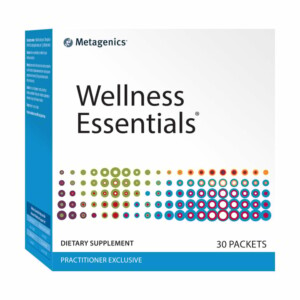
Conclusion: While multivitamins alone cannot guarantee a photographic memory or prevent all forms of memory decline, they can play a supportive role in memory enhancement and cognitive preservation. By providing a wide range of essential nutrients that support brain health, reduce oxidative stress, regulate neurotransmitters, and maintain healthy homocysteine levels, multivitamins can contribute to an optimal environment for memory formation and retrieval. However, it is important to note that individual needs and responses may vary, and it is advisable to consult with a healthcare professional or nutritionist before incorporating any new supplement into your routine. When combined with a balanced diet, mental stimulation, and a healthy lifestyle, multivitamins can be a valuable tool in unlocking your cognitive potential and maintaining a sharp memory throughout life.
For more information about how vitamins can help with memory, check out this article from Medscape.
Introduction
In our fast-paced modern lives, finding time for regular exercise can often feel like a daunting task, but incorporating incidental exercise in your day is easier than you think. Between work commitments, family responsibilities, and other obligations, carving out dedicated workout sessions can be challenging. However, what if we told you that there's a way to sneak in exercise effortlessly throughout your day? Welcome to the world of incidental exercise, a concept that has gained popularity for its ability to transform mundane activities into opportunities for physical fitness. In this blog post, we'll explore the wonders of incidental exercise and how you can embrace it to elevate your everyday fitness.
Defining Incidental Exercise
Incidental exercise refers to the physical activity that occurs as a natural consequence of your daily routine, without intentionally setting aside specific time for structured workouts. It involves making small changes to your habits and environment to incorporate movement into your day-to-day activities. From taking the stairs instead of the elevator to walking or cycling for short commutes, incidental exercise focuses on maximizing physical activity opportunities within your existing schedule.
The Benefits of Incidental Exercise
Tips to Incorporate Incidental Exercise into Your Routine
Embrace the Movement
Incidental exercise offers a refreshing approach to incorporating physical activity into our busy lives. By being mindful of our daily routines and seeking out opportunities for movement, we can transform the mundane into moments of fitness. Remember, small changes can have a significant impact on
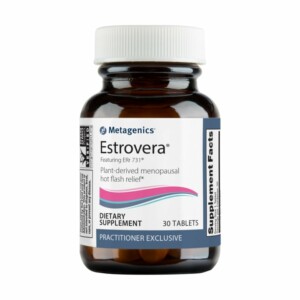
I'm a guy so I've never experienced a hot flash, but I did work in my father's (Florida) pool business in the summer, so I think I have somewhat of an idea 🙂 Just this month the FDA approved a new drug for hot flashes, Veozah (fezolinetant). Many hot flash suffers are rejoicing as they await a new medication to help them deal with these symptoms. Unfortunately this new drug is known to cause liver damage and costs the patient about $550 per month. What if there was a natural approach hot flash treatment that doesn't damage the liver and is much more cost effective.
Siberian rhubarb has been shown to be effective in the treatment of hot flashes. The well know and respected supplement company Metagenics, has created a natural approach to treating hot flashes called Estrovera. Estrovera is a natural plant-based and hormone-free ingredient clinically proven to relieve the most common symptoms of menopause by up to 83%
Estrovera is a safe. effective and affordable way to treat hot flashes. A month supply of Estrovera costs $36.99 compared to $550 for Veozah. There is no guarantee that Estrovera will naturally help your hot flash symptoms, but for less than $40 a month it is worth a shot in my opinion.
If you are interested in trying Estrovera, reach out to me on our Contact Us page and we will discuss if this is the right choice for you.