
When the weather warms, melting the snow and ice as it ushers in the newness of spring, people are drawn outdoors and increased activity soon follows. Runners top the list, training for upcoming marathons and races, or to just get faster and increase endurance.
While there are some runners who won’t let anything stop them, be it rain, sleet, or snow, most will not venture outside or engage in more rigorous training until the environment is more pleasant. This increased activity, though, can increase a person’s risk of injury, especially if they have been mostly inactive during the winter months. The most prevalent injury is runner’s knee, an umbrella term used to describe a variety of knee injuries including patellofemoral tracking syndrome.
When the patella, or kneecap, does not remain in place as the leg straightens or bends, it is called patellofemoral tracking syndrome. Many people believe that the kneecap only moves up and down, but that is not accurate. Actually, the kneecap is very mobile, rotating and tilting so that there are a variety of contact points between the femur and patella. The most common way that this disorder presents is the kneecap extends too far to the outside of the leg. Less common is when the kneecap shifts to the inside. The result is pain (sometimes severe) and limited mobility.
Understanding the syndrome means understanding the mechanics of the knee joint. The thighbone (femur) and lower leg (tibia and fibula) are joined by the knee, a large, complex hinge. A groove runs along the front of the joint, where the thighbone ends. The patella sits in the groove and is held in place by a network on the sides by ligaments and at the top and bottom by tendons. The underside of the kneecap is a layer of cartilage that allows it to move easily, or glide, along the groove. When there is a problem with any of the parts that make up the knee it can lead to patellofemoral tracking syndrome.
While overuse of the knee is the blanket term that describes the cause of patellofemoral tracking syndrome, it is actually the result of a combination of several problems. These can include:
People who are most likely to develop the syndrome are those who experience any of these problems in addition to playing sports or running.

Many people have experienced relief from the pain of patellofemoral tracking syndrome by using chiropractic care. Chiropractic for patellofemoral tracking syndrome is a medication free, non-invasive treatment that quickly and effectively treats the pain and helps to restore mobility. This is usually done by bringing the body back into alignment and performing specific manipulations depending on the unique needs of the patient. Treatment may involve the foot, ankle, spine, and hip in addition to the knee.
The patient may also be advised to make certain dietary adjustments, take special, targeted supplements, and do specific exercises in addition to the chiropractic treatments. Stretching is often recommended and Kinesio taping is also a common therapy to aid healing. Chiropractic will not only return the body to its natural balance and alignment, it will also get it to a state where it is able to begin healing itself.
Lean more about how we treat sports injuries.
If you have knee pain and think you might have patellofemoral tracking syndrome, come see us to get out of pain.
The lumbar spine, or lower back, take a lot of stress and strain throughout the day. The spine provides stabilization for the entire body and the lumbar spine bears the brunt of much of the movement and activity. This wear and tear shows up as lower back pain in many people. The American Chiropractic Association estimates that 31 million Americans have low back pain at some point in their lives. In fact, the leading cause of disability is low back pain – not only in the U.S. but worldwide.
Located in the lower back area, the lumbar region is the portion of the spine that begins below the shoulder blades, about five or six inches, at the lordosis (where it curves in toward the abdomen). There are five vertebrae that make up the lumbar spine, L1 through L5 – which also happen to be the largest unfused vertebrae in the entire spinal column. The lower vertebrae bear more weight than the upper vertebrae so they are constructed to be sturdier, but are also more prone to injury and degradation.
The L5 vertebra meets the S1 (the sacrum) at the lumbosacral joint. It is this joint that provides most of the range of motion including rotational flexibility of the hips and pelvis, allowing them to swing during movement such as running and walking.
The spinal cord ends at around the L1 and many nerve roots that originate at the spinal cord form what is called the cauda equine. These nerves travel down the spine, branching out to the legs, buttocks, and feet. The appearance resembles a horse’s tail, hence the name. Because the spinal cord does not extend into the lumbar area, the chance of a problem with the lower back resulting in paralysis or damage to the spinal cord is very rare.
The most common causes for lower back pain are soft tissue injuries and mechanical problems. Either of these can damage the intervertebral discs, compress the nerve roots, and inhibit correct function of the spinal joints so that they don’t move properly. Lower back pain is most commonly caused by a pulled or torn muscle or ligament, known as a sprain or strain. These injuries can have a number of causes, including:

Chiropractic care is a very popular, effective treatment for lower back pain. A chiropractor can help patients manage their back pain through spinal adjustments and lifestyle advice. They may recommend supplements, exercise, and dietary changes. The whole-body approach to chiropractic makes it an optimal choice for many people, especially those who don’t want to take medications or undergo invasive procedures.
The chiropractic treatment itself usually involves spinal manipulation and mobilization. Spinal manipulation is the technique that most people think of when they think of chiropractic. It involves a short lever, high velocity arm thrust applied directly to the vertebra that is injured or is causing the pain. This technique typically relieves pain, improves the function of the spine, and restores the back’s range of motion. Mobilization is a low velocity movement performed by the chiropractor to manipulate the area, stretching and moving the joints and muscles.
These techniques typically restore range of motion and flexibility to the spine while reducing pain. For people with chronic lower back pain, chiropractic care can be a game changer.
Do you have low back pain? What about upper back or neck pain? Come see us soon to get evaluated!
When dealing with a sports injury or similar type of injury, many people are familiar with the R.I.C.E. protocol for injury care. R.I.C.E. stands for Rest, Ice, Compression, and Elevation and has long been used when treating everything from sprained ankles to banged up knees. With acute injury patients, experts recommend adding “P” for protection because protection of the area it absolutely vital in the healing process. It is important that this is implemented as soon after the injury as possible and it should be maintained for anywhere from 24 hours to 72 hours afterwards. Of course, this depends on the severity of the injury.
P is for Protection: Injuries hurt and pain can be a good thing because it prevents you from further injuring that area. It encourages you to protect it.
It is important to listen to your body and protect the injured area through full or partial immobilization and restricted use. The way you do this depends on the body part.
An arm or shoulder injury can be protected with the use of a sling. An ankle injury may require a brace or splint and you may have to avoid or limit weight bearing for a while. This means using crutches a walker, or a cane.
R is for Rest: The body needs rest in order to heal. This could mean complete rest, but in many cases it means what is known as “relative rest.” This means that it allows for enough rest to heal but is not completely restrictive which could slow or inhibit recovery.
This means avoiding activities that are stressful to the area to the point that they cause pain or that they might compromise healing. Many times, though, some movement is a good thing, even beneficial. Some gentle movements can actually speed recovery.
Isometric contractions of the muscles and joints that surround the injury and even some range of motion exercises can help. The key is to keep the movements gentle and to listen to your body for guidance on how much and how far to push.
I is for Ice: Cryotherapy, or cold treatments can come in the form of actual ice, or there can be other types such as a cold soak. When treating acute injuries at home, the best known, and probably easiest way is to put some crushed ice in a freezer bag with a zip lock closure and wrap it in a small towel to keep the pack from directly touching the skin.

In some cases, you may not be able to apply ice directly to the site. In those cases, you can apply the pack at the joint above the affected area. For instance, a tightly wrapped ankle can still benefit from ice, you just apply the ice pack to the back on the knee on the same leg.
C is for Compression: A compression wrap can offer mild support and reduce swelling. Typically, an elastic bandage is used to compress or apply pressure to the injured tissue.
When applying a compression bandage, start it several inches below the area that is injured. It should be applied directly to your skin.
Use some tension as you wrap, but not to the point that it cuts off circulation (characterized by tingling or numbness and the soft tissue should not change color). Wrap the bandage in a figure eight configuration or spiral, depending on the area, stopping a few inches above the injury.
E is for Elevation: When an injured joint or extremity is not elevated, fluid can pool in the area and swelling can occur. This can lead to increased pain and limited range of motion. Elevation helps prevent these things from happening and can even help to speed up recovery.
The key to elevation is positioning the injured area at a level that is above the heart. The most effective way to accomplish this is to keep the area elevated as much as possible while awake and prop it up with pillows while sleeping for at least the first 24 to 48 hours. Some injuries may require more time though, so listen to your body.
Have you had an acute injury recently? We might be able to help! Come see us soon to get evaluated.
The way a person walks, their gait, can be very telling. It can reveal problems in the feet, ankles, knees, and hips – even in spinal alignment. A problem with gait can indicate pain in a patient as well as serious conditions like diabetes and arthritis. It is a diagnostic tool for many conditions, injuries, and syndromes including autism. When it comes to chiropractic care, a patient’s gait can offer very important clues regarding the root of their complaints, allowing for a more well-rounded, whole body approach to treatment. If you think that the way you walk or moves doesn’t really matter, think again. It most certainly does matter.
Gait analysis is a set of tests that are designed to provide a comprehensive evaluation of a person’s gait. It is a systematic study of human motion that involves observation as well as the use of instruments that measure body movements, muscle activity, and body mechanics.
It is intended to be used as an assessment tool and provide insight into devising a treatment plan for people who have conditions or injuries that affect their ability to walk. It is often used in sports biomechanics to aid athletes in more efficient movement and to identify problems with movement or posture, particularly those with injuries.
During the analysis, the patient may walk in a prescribed pattern or on a treadmill, that is often connected to a computer, while the chiropractor observes them from various angles. Often cameras are used, places at various points in order to capture different views including the anterior, posterior, and sides.
The patient may have markers applied to certain points on the body such as the knee, ankle, pelvis, and other areas. As they move, the computer captures specific data of the movement, providing a three-dimensional calculation of each marker. It them applies a model to assess the movement of the skeletal structure, resulting in a detailed analysis of each joint’s movement.
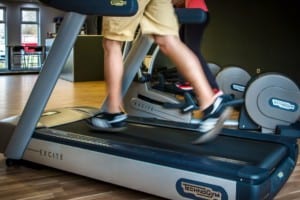
There are certain factors that affect a person’s gait and that information must be included in order for the gait analysis to be accurate. The gender, age, height, and weight of the person is vital because men and women move differently and as a person ages their structure changes.
Excess weight or they physique can affect a person’s posture and their gait. The individual’s shoes (or lack of shoes) is important, as is their clothing, the terrain they are walking on, and anything they may normally carry, such as a purse. Other factors include:
It will also measure and factor into the analysis data that includes the patient’s:
Getting a gait analysis can be very advantageous because it can provide invaluable insight into how your body is aligned and how it moves. It is a great diagnostic tool for identifying health issues related to the gait, spine, and feet and can also help provide early detection of health issues prior to the onset of symptoms.
If your chiropractor recommends that you get a gait analysis it could be that he or she suspects that something is going on, or it could simply mean that they want to more thoroughly examine you to provide optimal care. If you have any concerns, you should sit down with your chiropractor and ask them any questions that you have prior to undergoing the analysis. Stress and anxiety can put tension on the muscles and body, affecting the results.
Are you interested in having your gait analyzed? Come see us soon to get evaluated!
Have you ever had a pain in the neck? And your kids or significant other don’t count. If you’ve ever had a stiff, sore neck then you’ve more than likely experienced cervicalgia. You’re not alone. The American Osteopathic Association estimates that more than 25% of Americans have experienced or chronically experience neck pain. In fact, neck pain is one of the primary causes of chronic pain, ranking number three behind knee pain (number two) and back pain (number one). Chronic pain affects around 65% of people in the United States, ranging in age from 18 to 34. They either have experienced it firsthand or care for someone who has recently experienced it. That number increases as the population ages.
It is also worth noting that most doctors prescribe pain medications but more than 33% of patients with chronic pain won’t take them because they are afraid of becoming addicted.
Cervicalgia is a blanket term used to describe neck pain. It can range from a simple “crick in the neck” to severe pain that prevents you from turning your head.
Knowing the term for the pain, though, does not help when it comes to treatment because treatment lies in the cause of the pain. It can become quite complex because there are so many causes for the pain. Sometimes the cause itself must be eliminated before the treatments for the pain can be effective.
The causes of cervicalgia are vast and varied. A patient who sits at their desk for too long or sleeps in a poor position can develop neck pain.
Injuries such as sports injuries and whiplash fall at the more severe end of the spectrum. Even simple gravity can be a culprit.
The human head can weigh as much as 10 pounds, sometimes even more and the neck is tasked with keeping it upright. Just the action of fighting gravity and keeping the head erect for long periods of time (like all day) can cause the neck muscles to become strained and fatigued. This can also cause neck injuries to heal slower because the neck is almost constantly in use and under consistent stress.
Treatment for cervicalgia depends on both the symptoms and the cause. If you have been injured, you should seek medical attention immediately to assess the severity of the injury.
You can apply ice to help reduce inflammation and swelling, but do not delay a medical evaluation. Some neck injuries can be serious, causing very serious conditions including paralysis.
After assessment, your doctor may prescribe medication such as anti-inflammatories and stronger painkillers. A cervical collar may also be recommended since it allows the neck to rest which will promote healing.

However, prevention is the best cure. When you know what is causing your cervicalgia, you can take steps to prevent it. Chiropractic can help both in prevent cervicalgia and in treating it.
Chiropractic for Cervicalgia
Chiropractic treatment can help relieve the pain from cervicalgia for many of the causes, including injury, stress, and misalignment. Depending on the cause, the chiropractor will use specific techniques to treat the root of the problem.
They will bring the body back into alignment which also helps to prevent the pain of cervicalgia. The most attractive aspect is that it allows for pain management without the use of any medications.
When you get regular chiropractic care, you can actually reduce your chances of experiencing pain in your neck and back. That is why so many people are choosing chiropractic care for their neck and back pain instead of turning to traditional medicine – because it works.
Do you have neck pain? Come see us soon to get evaluated and find relief.
Back pain can be debilitating, causing immobility, inflexibility, and have a significant impact on a person’s quality of life. It can make even the most mundane daily activities extremely difficult – and even excruciating. Building the muscles that make up your core (abdominals and back) can help support your spine and reduce back pain. In many cases, strengthening these muscles can help a patient avoid medication with its unpleasant side effects and even avoid surgery. With just a few smart moves you can greatly decrease your back pain, increase your mobility, and take back your life.
The spine is the supporting structure for the back, but it also is a vital infrastructure for the entire body. It houses the central nervous system and neural impulses are transferred along what is essentially a spinal super highway.
The arms, legs, neck, and head are all connected and stabilized by the spine through an intricate network of ligaments and muscles. The back muscles and abs, or abdominal muscles, are at the center, or core, of this muscular network. They keep the body upright and facilitate movement. When these core muscles are not in good condition, it puts stress on the spine, impacting its ability to support the body. This often results in back pain and even injury in some cases.

Postural alignment is a common contributor to back pain. This is often due to weak core muscles.
As the muscles fail to do their job to stabilize the spine, the body adjusts structurally to accommodate the weakness. This can result in postures that cause joint pain as well as muscular pain and even headaches.
For instance, stooped or hunched shoulders can cause back pain, but it can also create tension in the shoulders and neck. This, in turn, can cause tension headaches and migraines in patients.
A sway back, where the lower back bows, causing the pelvis to tilt up, can cause severe lower back pain, especially after standing for long periods of time. Sway back can be the result of weakened core muscles or a combination of a weak core, combined with obesity or pregnancy.
The weight in the abdominal area pulls the spine forward so that it curves. A pregnancy sling can sometimes help with the pain, but it is just a band aid. The real cure is to strengthen the core muscles so that they are better able to adequately support the spine and body.
Eric Goodman, a chiropractor, developed Foundation Training as a way to help his patients who suffer from lower back pain, but are not physically able to do Pilates or yoga. It is also designed to help those who sit for long periods of time to counteract the associated negative health effects.
Foundation training incorporates powerful yet simple movements that work to integrate the body’s muscular chains, increasing strength and realigning the core and spine. It does not require any equipment so the movements can be performed anywhere. The muscles are trained how to move properly and work together so that you the body learns to move how it is designed to move. The key basic exercise can be viewed in this video.
Core strength can reduce back pain and creating a strong core can help relieve back pain but also have added benefits such as increase energy, better mobility, and an improved mood. By allowing the body to support itself it can naturally relieve pain and heal certain conditions without invasive surgery or medication which can have unpleasant or even harmful side effects. When you take good care of your body, it will take good care of you.
Interested in learning which core exercises are right for you? Come see us soon to reduce your back pain through a stronger core.
Many people think of joints, bones, and the skeletal system when they think of chiropractic, but in fact, the muscles also play an integral part in supporting the body. The muscles are layers and interwoven work to move and stabilize the spine, facilitate the movement of the body’s joints, and aid in respiration. When there is pain within this system, chiropractic can be a very effective treatment. More patients are turning to chiropractic care to treat a variety of painful conditions because it does not use addictive pharmaceuticals with unpleasant side effects; it is completely natural. Chiropractic can also keep patients from requiring surgery in many cases. So when it comes to myofascial pain and trigger points, this form of treatment is often considered optimal.
In simple terms, myofascial pain is simply pain in the muscles. When you break down the word, “myo” means muscle and “fascia” refers to the connective tissue that are interwoven throughout the body.
The pain originates in specific trigger points that are located in the muscles and fascia at various areas of the body. The pain can range in intensity from mild and annoying to severe and debilitating.
Trigger points are tightened, hypersensitive spots that can be located in any muscle. Different people may have different trigger points. It isn’t like specific lower back pain or neck pain which occur in specific areas of the body. Trigger points can vary from person to person.
When trigger points form, they become nodules or spots that exist in one of the muscle’s taut bands. The patient may experience a variety of symptoms including pain, weakness, burning, tingling, and other symptoms.
What often makes trigger points difficult to locate is that they cause what is known as referred pain. In other words, the person may experience the pain at the exact location of the trigger point, or the pain can be referred to other areas in the body. Referred pain usually has fairly consistent pain patterns so it can be traced to the origin – eventually.
Around 85% of the pain that individuals experience is attributed to myofascial pain. The trigger points determine whether the pain is chronic or acute. It is a condition that is very common.

Trigger points form when the muscle undergoes trauma of some type. The trauma can come from disease, accidents, work related conditions (from persistent, repetitive motion), and sports injuries.
Activities or habits that place a repetitive, long term strain on the muscles can also cause trigger points. Poor posture, improper ergonomics, and repetitive movements are the most common of these types of activities. Emotional and physical stress are often identified as causes of irritating trigger points.
Chiropractic care is often a preferred treatment for myofascial pain due to its effectiveness and drug free approach. Patients who undergo treatment will usually experience a dramatic decrease in their pain level or it will be eliminated altogether.
They also enjoy increased strength, flexibility, and range of motion. With continued chiropractic care, they will find that they have more endurance for work and recreational activities and even sleep better. It should be noted that sleep disruptions are a common complaint associated with myofascial pain.
Overall, chiropractic can give patients with myofascial pain a better quality of life with decreased incidence of injury. They are often able to lower their pain medication or eliminate it altogether.
Because chiropractic is a whole-body approach, patients learn healthy habits including diet, exercise, and mental wellness. Most of all, they can live with less pain or no pain at all.
Do you experience trigger points or myofascial pain? Come see us soon to get out of pain.
Headaches are a real pain (insert eye-roll here). Many individuals suffer from them, and there are a variety of causes, symptoms, and treatment options. For some, they are a rare occurrence, while others deal with them on a weekly, or even daily, basis. They can range from minor inconveniences to full-fledged life changing afflictions.
The first step in treating headaches is to understand the type of headache you are experiencing. Some people think they have a migraine, when in fact, they are suffering from a tension headache. While tension headaches are more common, it's estimated by the Migraine Research Foundation that 1 in 4 U.S. Households include someone with a migraine.
Determining which headache being dealt with takes a bit of research. Individuals suffering from headaches need to ask themselves these questions to determine if they are having a migraine, or experiencing a tension headache.

Where does it hurt? Migraines typically occur on one side of the head. Tension headaches affect both sides of the head, and can produce a feeling of pressure at the forehead area. The location of the pain is a key indicator of the type of headache.
What kind of pain is it? If it is a dull pain, a feeling of pressure, or tenderness around the scalp, it's most likely a tension headache. If, on the other hand, the pain is a throbbing or pulsing pain, it could be a migraine. Both headaches can offer up severe pain, just different types.
Are there any other symptoms? Migraines typically come with symptoms beyond head pain. Nausea, light and sound sensitivity, seeing bright flashing or sparkling lights, pins and needle sensations down one or both arms, or dizziness are common. Individuals who don't experience any of these symptoms are most likely dealing with a tension headache.
Can you function? While painful and frustrating, many people with a tension headache can still perform their jobs, drive, read, and deal with daily life. A migraine is a different story. Lying in a dark, quiet room with a sleep mask on until the headache passes is how most people handle migraines. If the headache is life-disrupting, it could very well be a migraine.
Do normal pain killers work? Tension headaches can often be relieved by over-the-counter pain medications. Migraines don't budge with these treatments. Once a migraine is in full force, the sufferer generally must ride it out. If a headache reacts well to a couple of non-prescription pain killers, it's most likely a tension headache.
The majority of individuals will unfortunately deal with a headache at one point in their lives. It's important to note that tension headaches are much more common than migraines, but that doesn't rule out the possibility of the headache being a migraine. The answers to the above questions combined together give insight as to the type of headache occurring, and how best to proactively handle the treatment. No matter the type of headache, if the pain is severe, or begins after a head injury, seek medical treatment immediately.
If headaches are frequent or recurring, learn more about our headache treatment in Indianapolis. Come see us to discuss your symptoms and whether our care may be appropriate.
You may have seen professional athletes, dancers, gymnasts, and others who engage in extremely physical activities using a type of tape on various points of their bodies. It is sometimes colored and does not seem to inhibit range of motion. While it looks like tape, or maybe a very fancy bandage, it is actually a highly technical, specialized tape that is used to treat patients of all ages and activity levels. It is called Kinesio tape and it is often used by chiropractors to help treat certain injuries.
Also called Kinesio Tex Tape, Kinesio Tape is a special adhesive tape that has elastic properties. It was developed by Dr. Kenzo Kase, a chiropractor and acupuncturist, in 1979. It is safe for all ages including pediatric and geriatric patients. The tape is comprised of a 100% cotton fiber strip with medical grade acrylic adhesive. It is soft and gentle, but it works.
The tape is hypoallergenic and latex free so it is appropriate for a very wide audience. It is also water resistant, making it wearable for many activities. When worn, the tape does not limit or inhibit range of motion and the same tape can be worn for several days without losing its effectiveness.
The tape can stimulate or relax muscles, depending on the tension that it puts on the body when applied. When worn, it lifts the skin by microscopic increments which aids in lymphatic drainage.
It also helps to decrease inflammation and swelling which reduces pressure in the area. This allows the blood and lymphatic fluid to flow freer and more effectively in and out of the affected area.
When used correctly, Kinesio Tape can reduce inflammation, promote better circulation, prevent injury, facilitate healing, the re-educate the neuromuscular system. This helps the body return to homeostasis. It can be applied in many different configurations, but often the applications are a single “I,” “Y,” or “X.”
The Kinesio taping method is a systematic, therapeutic technique that offer a two-prong approach of supporting the patient and rehabilitating the condition or affected area. It can alleviate pain reduce swelling, providing relief to the patient. There are specific taping shapes that are specialized to address certain areas of the body as well as certain conditions. While it provides stability and support to the body’s joints and muscles, it does not restrict the range of motion. The technique is designed to address soft tissue injury by manipulating that area and facilitating healing.
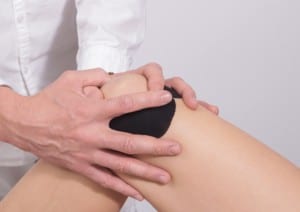
There are many conditions throughout the body that can benefit from Kinesio taping. Chiropractors use it for:
Athletes may also use it for additional support or to prevent injury. Because it relies on the body’s own natural healing process, many people find it to be preferred treatment for many painful conditions. When combined with chiropractic care, Kinesio Tape is very effective.
When treating a condition with Kinesio Tape, the chiropractor may use a variety of techniques, depending on the illness or injury. They may use spinal manipulation, massage, and other treatments, combining them with recommendations for lifestyle changes and diet modifications.
The draw for this treatment is that it encourages the body to heal itself, eliminating the need for drugs with their undesired and unpleasant side effects, or more invasive treatments like surgery. Kinesio Taping is safe, natural, and a perfect complement to chiropractic care.
Interested in trying Kinesio Tape? Come see us soon to get the support you need.
Sleep. New parents chase it, Type A personalities fight it, but everyone needs it. Thing is, most people don’t get enough of it. According to the National Sleep Foundation, 45 percent of adults in the United States report that in a seven day period lack of sleep affected their daily activities.
Sleep quantity is not as much of a problem as sleep quality. Around 35 percent of people who said they slept for 7 or 8 hours a night still reported that their sleep quality was “only fair” or “poor” and 20 percent said that they did not feel refreshed upon waking. When a person is dealing with pain, such as lower back pain, it can make it even more difficult to get a good night’s sleep.
Sleep is vital for good health. The Centers for Disease Control (CDC) cites insufficient sleep as a contributing factor to a variety of conditions including obesity, diabetes, depression, and cardiovascular disease. It is also a significant contributing factor in many machinery related crashed, worksite accidents, and automobile accidents, leading to injury, disability, and even death.
Sleep allows your body to heal and the spine to rejuvenate. It helps you handle stress better and manage pain more effectively. It is an important part of good health so making sure that you get good quality sleep should be a priority – and it is possible. These are the best sleep positions to get your best sleep when you have lower back pain.
Stomach Position
Sleeping on your stomach is usually the least back friendly sleep position, but some people can’t sleep any other way. Take the strain off of your back by supporting it with a pillow under your lower abdomen and pelvis. Using a pillow may put too much stress on your back, so you might need to try to sleep without one. Another alternative is to use a flatter, less fluffy pillow. Try different positions, such as drawing one leg up or splaying your legs more until you find on that is right for you.

If you sleep on your back you likely won’t be comfortable just lying flat. Try different positions such as placing a rolled towel under your knees or the small of your back to provide added support. Use a good pillow to support your neck. There are pillows that are made specifically for people who sleep on their backs; you may want to give it a try.
Side Position
Many people with low back pain find sleeping on their side to be the most comfortable sleep position. If you sleep on your side, pull your knees up slightly so that they are almost perpendicular from your body. You may have to make some adjustments to how bent your legs are before you find a position that takes the pressure off of your back. Place a pillow between your thighs and knees. You may want to use a body pillow to provide even more support all along your legs.
The position that you sleep in can help relieve your back pain, but getting good quality sleep will help you manage your pain much better so it should be your goal to get good, restful sleep every night. You should change out your pillow on a regular basis.
Pillows can get worn and no longer deliver the support they once did. If you are waking up with neck or back pain or headaches it could be your pillow. Additionally, studies show that making your bed every day improves your quality of sleep. Make sure that the temperature is comfortable and avoid electronic devices for about an hour before bedtime. Be good to your body; make sleep a priority.
Is your low back pain persistent and changing your sleeping position hasn't helped? Come see us soon to get evaluated!