
Glucosamine is a widely used dietary supplement for joint discomfort. Recent research has also explored whether its use is associated with dementia—but the findings do not show that glucosamine either causes or prevents dementia.
Several large population studies have compared people who reported using glucosamine with those who did not. Some found a lower rate of certain types of dementia among users, while another large prospective study found no association. Because these studies were observational, they cannot establish that glucosamine produced either result. Supplement users may differ from nonusers in exercise, diet, income, medical care and other factors that are difficult to fully account for.
A newer University of Florida–led study examined a different question: what happens among people who already have mild cognitive impairment (MCI) or Alzheimer’s disease? Researchers combined laboratory work with a retrospective analysis of electronic health records. Documented glucosamine use was associated with faster progression from MCI to Alzheimer’s disease. However, an association in medical records does not prove that the supplement caused the progression. The authors called for prospective clinical trials, and a subsequent analysis also emphasized limitations in the mortality data.
Do not start or stop a supplement solely because of a headline. If you take glucosamine—especially if you have MCI, Alzheimer’s disease, memory concerns or a complex medication list—review it with your physician or pharmacist. Bring the product label and dosage so your health professional can consider the exact formulation and your overall health.
Glucosamine’s benefit for osteoarthritis is itself uncertain. Major professional guidelines do not all agree, and results can vary by formulation. The National Center for Complementary and Integrative Health notes that glucosamine may affect blood sugar in some people and may increase bleeding risk when combined with warfarin.
Seek medical evaluation for new or worsening memory problems rather than attempting to manage them by changing supplements alone. A clinician can review medications, sleep, hearing, mood, metabolic conditions and other factors that may affect cognition.
Current evidence does not support the claim that glucosamine simply “causes dementia,” nor does it justify using glucosamine to prevent dementia. The newer findings raise a reasonable safety question for people who already have cognitive impairment, but clinical trials are needed before researchers can determine whether the relationship is causal.
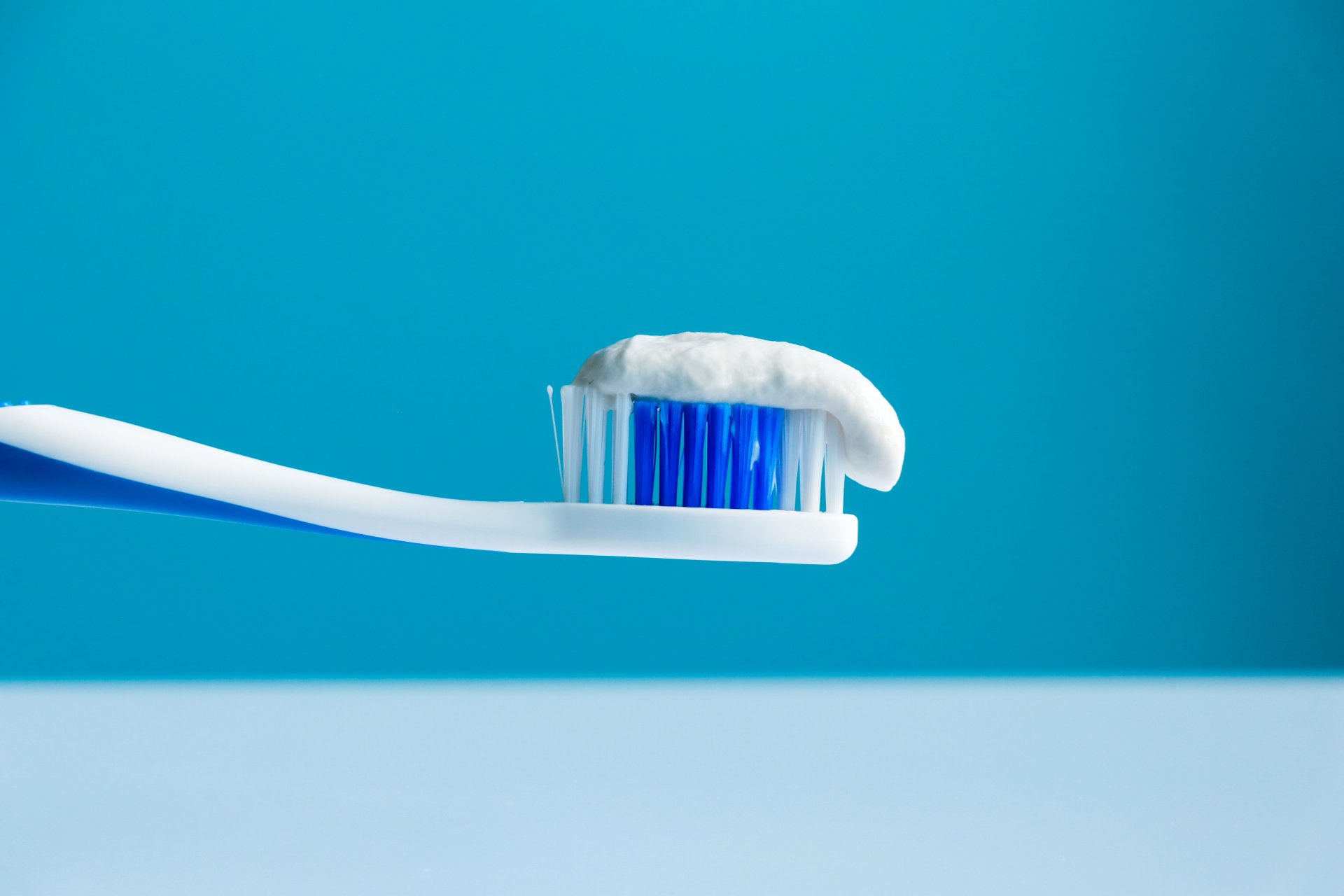
A small randomized study presented at the 2026 American Headache Society meeting found fewer migraine days among participants who temporarily replaced toothpaste with saline. The result is interesting, but it is preliminary and does not establish that toothpaste causes migraine—or that people should stop using fluoride toothpaste without speaking with their dentist and migraine clinician.
Researchers enrolled 106 adults with migraine or probable migraine who were already receiving preventive migraine medication. Participants were divided into two groups for four weeks:
The saline group reported a greater reduction in weekly headache days and pain intensity. Complete headache freedom was reported by 32.6% of the saline group and 14.9% of the control group during the study period.
The findings were reported as a conference abstract rather than a complete peer-reviewed clinical paper. The study was short, involved a relatively small group at one center and could not blind participants to whether they were using toothpaste. Expectations, changes in brushing habits and other factors may have influenced the results.
The study also did not establish which toothpaste ingredient—if any—was responsible. It should not be interpreted as proof that fluoride, sodium lauryl sulfate, flavoring agents or another individual ingredient triggers migraine in the general population.
Do not abandon your oral-care routine based on this study alone. The American Dental Association recommends brushing twice daily with fluoride toothpaste and cleaning between the teeth every day to reduce tooth decay and gum disease.
If you notice a repeatable connection between a particular toothpaste and your headaches, discuss it with both your dentist and the clinician treating your migraines. A dentist may be able to recommend a different fluoride toothpaste with an alternative flavor or formulation while protecting your teeth. Saline or baking soda alone may not provide equivalent cavity protection.
Seek urgent medical care for a sudden severe “worst headache,” a headache after significant injury, or headache accompanied by weakness, facial drooping, confusion, fainting, fever, stiff neck, new vision loss, difficulty speaking or another new neurological symptom.
The study provides an intriguing reason for further research, not a reason for everyone with migraine to stop using toothpaste. Patients who suspect an oral-care product is a trigger should coordinate any change with their dentist and migraine clinician so that headache investigation does not compromise dental health.
Reviewed for general educational accuracy by Dr. Bingham. This article does not diagnose migraine or replace dental or medical care.
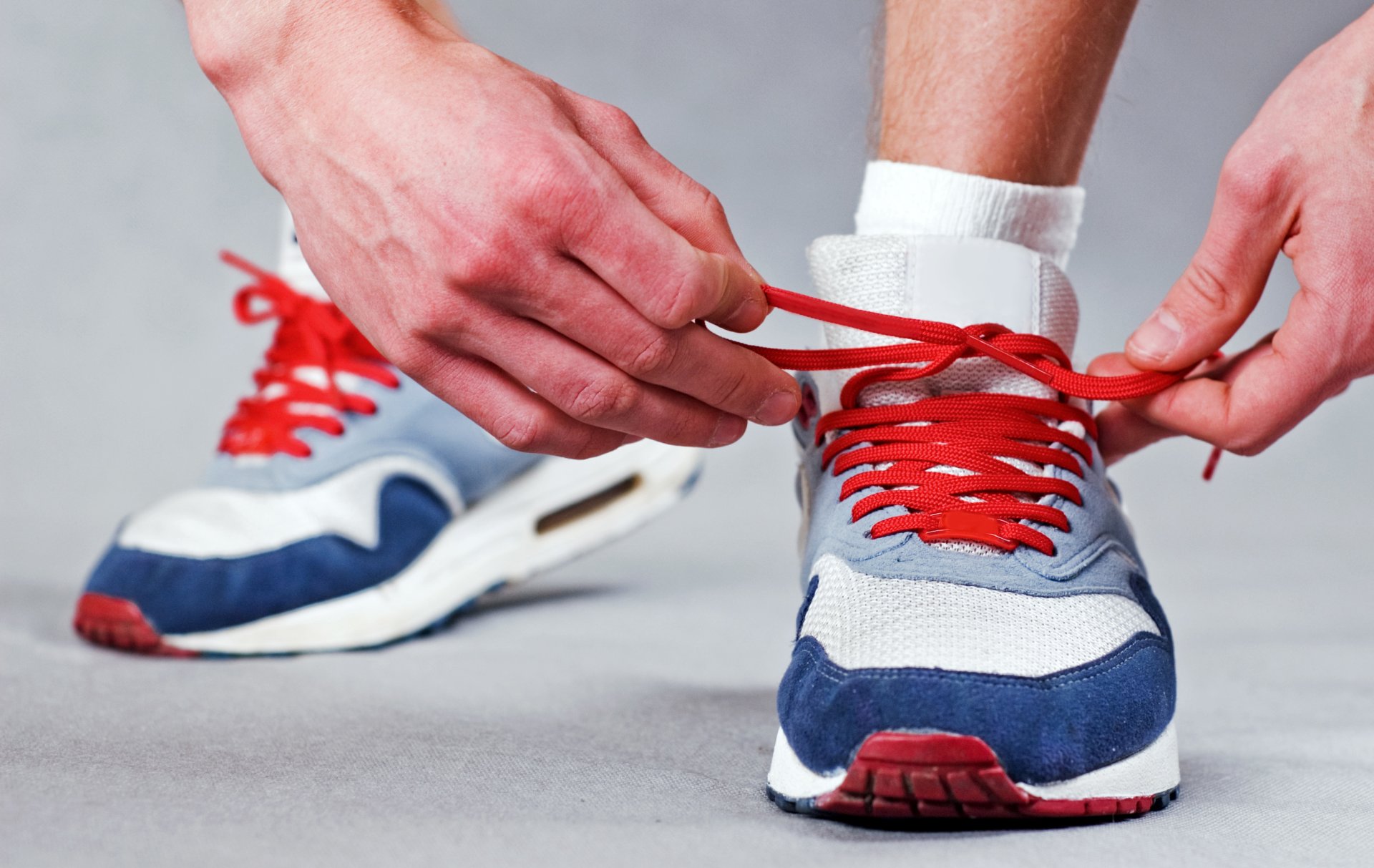
We’ve all heard the old song: “The foot bone’s connected to the leg bone, the leg bone’s connected to the knee bone…” When it comes to lower back pain, that childhood tune is actually a fundamental principle of biomechanics. When you walk, run, or simply stand on the hard surfaces of Indianapolis, your feet act as the primary shock absorbers for your entire body.
If your foundation is unstable or unsupportive, that impact doesn’t just disappear—it travels straight up your legs and slams right into your lower back.
At Compass Chiropractic, we see patients every week who are doing everything right—getting regular adjustments, stretching, and watching their posture—yet they're still battling stubborn lower back stiffness. The hidden culprit? The shoes on their feet.
Here is a breakdown of how your footwear affects your spine and how to choose the best shoes to keep you pain-free.
Before looking at what you should wear, let's look at the daily footwear choices that might be sabotaging your spinal alignment:
When you’re shopping for your next pair of everyday shoes, look for these three non-negotiable features:
Look for a shoe with a well-cushioned, thick midsole (often made of EVA foam or polyurethane). This acts as a buffer between your feet and the pavement, protecting your joints and spine from repetitive micro-trauma.
Your arches are designed to naturally distribute your body weight. A good shoe should contour to your natural arch height. If you have flat feet, you’ll need structured support to keep your ankles from rolling inward. If you have high arches, you need extra cushioning to redistribute pressure.
Your toes need to spread out naturally when you step to give you a stable base. Avoid shoes with a narrow, pointed toe box that pinches your feet, as this alters your natural gait and forces your hips and back to work harder to keep you balanced.
Based on clinical design and patient success, here are the types of footwear that offer the best relief for chronic back pain:
If you’re tired of living with lower back pain and want to see if your feet are part of the problem, we are here to help.
Schedule an appointment with Compass Chiropractic today for a comprehensive assessment. Let’s look at your spine, check your gait, and help you find the perfect foundational support to live pain-free!
By Katie McGovern, CPNP
Co-Founder of Your Corner Pediatrics & Pediatric Nurse Practitioner

Spring is officially here in Indianapolis! It is the ultimate season of growth, fresh air, and renewed energy. As the days grow longer, it is the perfect time for families to refresh their daily routines, head outdoors, and check in on their children's health.
At Your Corner Pediatrics, our membership-based Direct Primary Care (DPC) model is built around giving busy moms and dads unhurried, 24/7 access to personalized medical care. Because we focus on the quality of care rather than rushing through a high quantity of patients, we love taking the time to help you navigate seasonal transitions smoothly.
When your child’s primary healthcare is accessible and stress-free, and paired with proactive wellness strategies—like the movement and structural support offered by our friends at Compass Chiropractic & Massage—your kiddos can truly thrive.
Here is your ultimate pediatric guide to keeping your kids healthy, active, and well-rested this spring!
1. Conquering Spring Allergies
While the blooming trees in Broad Ripple are beautiful, spring allergies can quickly put a damper on outdoor fun. Tree and grass pollens are the biggest culprits this time of year, affecting children of all ages.
What to Watch For:
How to Help Your Kiddos:
2. Maximizing Outdoor Play (Safely!)
After months of being cooped up indoors, it’s finally time to enjoy those warmer days. Getting outside does wonders for both the physical and mental health of developing minds and bodies.
Aim for 60 Minutes Daily:
Whether it’s riding bikes down the Monon Trail, walking the neighborhood, or exploring a local playground, aim for at least one hour of active outdoor play every day. Physical activity strengthens growing bones, boosts immunity, and improves mood.
Don't Forget the Spring Safety Basics:
3. Navigating the Spring Sleep Shift
Sleep is the foundation of childhood health, behavior, and immune function. However, as the days get longer and the sun stays out past their usual bedtime, getting kids to wind down can become a major parenting hurdle.
Tips for Spring Sleep Success:
Your Partners in Seasonal Wellness
Spring wellness is all about balance. By keeping allergies managed, staying safely active, and protecting your child's sleep, you set them up for a fantastic season ahead.
Because healthcare shouldn't feel like a revolving door, Your Corner Pediatrics are here to give your family the personalized, unhurried attention you deserve.
Ready for a better approach to your child's medical care? > To learn how you can get direct, unhurried primary care access with Katie and Elizabeth, check out Your Corner Pediatrics.


As busy working moms, Elizabeth and Katie were looking for a better way to help parents get more convenient access to their child’s healthcare. We found the answer in direct primary care and started Your Corner Pediatrics!
We are a membership-based pediatric primary care office. For an affordable monthly fee, our patients have direct access to us at all times, whether it is for a quick question, an acute concern, or a full visit.
We offer extended visits that are always on time and never rushed. No crowded waiting rooms, no copays, no hidden costs. We are here when you need us, that could include a visit to our office, a visit at your home, a text message or a video chat! We focus on QUALITY care for patients rather than QUANTITY of patients. We have a limited number of patients to ensure we are always available for your child’s medical needs.

When you think of a facial or a glowing complexion, your mind probably jumps straight to expensive serums, chemical peels, or a complex ten-step skincare routine. But what if the secret to truly vibrant, healthy-looking skin isn't what you put on it, but how you move the fluid underneath it?
At Compass Chiropractic & Massage, we love uncovering holistic ways to help you move better, feel better, and live better. Today, we’re diving into a powerhouse treatment that bridges the gap between deep wellness and effortless beauty: Manual Lymphatic Drainage (MLD).
Here is how this specialized, gentle therapy can completely transform the health and appearance of your skin.
To understand how MLD helps your skin, we first need to look at what the lymphatic system does. Think of it as your body’s internal filtration system. It's a network of tissues and organs that helps rid the body of toxins, waste, and other unwanted materials.
Unlike your circulatory system, which has the heart to pump blood around, your lymphatic system doesn't have a built-in pump. It relies on cellular function, muscle movement, and breathing to keep things moving. When it gets sluggish or overloaded, fluid builds up, and toxins get trapped. Because your skin is your body's largest organ, that internal "stagnation" quickly shows up right on your face.
Using incredibly light, rhythmic, and intentional hand movements, our certified massage therapists can stimulate the lymph flow, leading to noticeable aesthetic and structural benefits for your skin.
Waking up with puffy eyes or a soft, swollen jawline is incredibly common, often caused by fluid retention overnight. MLD acts as an immediate de-puffing agent. By gently directing excess fluid away from the face and neck and toward the lymph nodes to be filtered, MLD helps sculpt, define, and contour your natural features.
When lymphatic fluid is stagnant, it blocks fresh, nutrient-rich blood from easily reaching your skin cells. By clearing out the cellular "traffic jam" with MLD, we pave the way for healthy, oxygenated blood to rush to the surface. The result? A vibrant, rosy, and youthful complexion that no highlighter can replicate.
Acne, blemishes, and dullness are often signs that your body is struggling to eliminate waste. When toxins pool beneath the surface of the skin, it can irritate the tissue and lead to inflammation. Regular lymphatic drainage helps flush out these metabolic wastes and impurities, creating a cleaner, healthier environment for your skin cells and helping to reduce chronic breakouts.
Whether you are dealing with minor skin irritations, recovering from a cosmetic procedure, or dealing with inflammation from conditions like rosacea, MLD can significantly speed up the recovery process. By reducing swelling and bringing fresh white blood cells to the area, it enhances your skin’s natural ability to repair itself.
💡 Quick Tip: It’s Not Just for Your Face!
While facial lymphatic drainage gives you that instant visual refresh, full-body MLD supports your overall immune system, reduces systemic inflammation, and promotes deep relaxation—all of which reduce stress hormones (like cortisol) that can trigger skin issues.
Healthy skin starts from within. If you're ready to upgrade your skincare routine from the inside out, we are here to help.
Our specialized team at Compass Chiropractic & Massage in Broad Ripple is dedicated to tailoring every session to your unique wellness goals. Let’s get things moving so you can look and feel your absolute best.
Book your next appointment online or give us a call at 317.257.2800 to schedule your session today!
Exocrine pancreatic insufficiency (EPI) is a digestive condition—not a joint disorder—but the malnutrition it can cause may contribute to muscle weakness, low bone mass and slower physical recovery. Symptoms such as ongoing diarrhea, greasy stools, unexplained weight loss or persistent abdominal bloating require medical evaluation. Joint or muscle pain alone does not establish EPI.
The pancreas makes enzymes that help the small intestine digest fat, protein and carbohydrates. EPI occurs when too few pancreatic enzymes reach the intestine, preventing the body from fully digesting food and absorbing nutrients.
EPI can occur with chronic pancreatitis, cystic fibrosis, pancreatic cancer, pancreatic surgery and certain gastrointestinal conditions. Because its symptoms overlap with many other digestive problems, it should not be self-diagnosed.
These symptoms have many possible causes. A qualified medical clinician should evaluate them, especially when they persist or occur with weight loss.
Untreated EPI can lead to malnutrition. Inadequate absorption of calories, protein and vitamins may contribute to reduced muscle mass or strength. Low levels of vitamin D and other nutrients may also contribute to low bone mass.
This does not mean that ordinary back pain, muscle soreness or joint stiffness is evidence of pancreatic disease. The digestive and nutritional symptoms are an important part of the clinical picture.
Diagnosis begins with a medical history and physical examination. Doctors may order blood tests, stool tests and additional testing to look for EPI or an underlying pancreatic condition. The fecal elastase-1 test is the most commonly used stool test, but results must be interpreted along with symptoms and other findings.
When EPI is diagnosed, doctors typically prescribe pancreatic enzyme replacement therapy (PERT). Prescription PERT is taken with meals or snacks and is adjusted by the treating clinician.
Over-the-counter digestive-enzyme supplements are not a substitute for prescription PERT. Their dosing and effectiveness are not standardized for treating EPI. Starting an enzyme supplement as a “test” can delay the diagnosis of another condition and should not replace appropriate medical evaluation.
Arrange an evaluation if you have persistent greasy stools, diarrhea, unexplained weight loss, signs of malnutrition or digestive symptoms associated with pancreatic disease or surgery. Seek prompt care for severe abdominal pain, vomiting, jaundice, dehydration, blood in the stool or rapidly worsening symptoms.
Chiropractic care and exercise-based rehabilitation may help some people manage appropriate musculoskeletal complaints, but they do not diagnose or treat pancreatic insufficiency. If digestive warning signs appear alongside muscle weakness, bone-health concerns or persistent pain, coordinated medical care is important.
At Compass Chiropractic and Massage, tell your clinician about digestive symptoms, unexplained weight changes, medications and supplements during your evaluation. That information helps determine whether your concerns are primarily musculoskeletal or whether medical referral is appropriate.
Reviewed for general educational accuracy by Dr. Bingham. This article does not diagnose EPI or replace individualized medical care.

Youth baseball has become more competitive than ever. Many young athletes now play year-round, participate on multiple teams, and spend countless hours practicing throwing, pitching, and hitting. While this increased dedication can improve skill development, it also places growing stress on the body—especially the shoulder.
One of the most overlooked factors in preventing shoulder injuries in youth baseball players is thoracic mobility.
The thoracic spine, or mid-back, plays a critical role in throwing mechanics and overall shoulder function. When mobility in this area becomes restricted, the shoulder often compensates by taking on more stress than it was designed to handle. Over time, this can lead to pain, overuse injuries, and decreased performance.
Fortunately, improving thoracic mobility and addressing movement restrictions early can help young athletes stay healthier throughout the season. Chiropractic care can be an effective part of that prevention strategy.
The thoracic spine is the middle portion of the spine located between the neck and lower back. It consists of 12 vertebrae and is designed to provide rotation, extension, and stability for the upper body.
Thoracic mobility refers to how well this region can move through its normal range of motion, especially during rotational activities like throwing and swinging.
In baseball, proper thoracic movement is essential because power is generated from the ground up. During a throw, force travels through the legs, hips, torso, shoulder, arm, and finally into the baseball. If one area of the chain is restricted, another area must compensate.
In many cases, that compensation happens at the shoulder.
Young athletes are especially vulnerable to mobility restrictions and overuse injuries for several reasons:
Throwing hundreds of pitches and long tosses each week can place significant stress on developing joints and muscles. Without adequate recovery and mobility, the body begins to tighten and compensate.
Many kids spend hours sitting in school, gaming, or using phones and tablets. This often contributes to rounded shoulders and stiffness in the thoracic spine, limiting rotation and extension.
During growth spurts, muscles and joints may temporarily lose flexibility and coordination. Young athletes may suddenly develop mobility limitations that affect mechanics and increase injury risk.
Playing baseball year-round without enough rest or cross-training can lead to repetitive stress patterns and reduced overall athletic movement quality.
When the thoracic spine cannot rotate or extend properly, the shoulder is forced to work harder during throwing motions.
The rotator cuff muscles help stabilize the shoulder during throwing. Limited thoracic mobility often causes these muscles to compensate excessively, leading to fatigue and irritation.
Restricted mid-back movement can reduce trunk rotation and affect arm positioning during pitching or throwing. Poor mechanics increase stress on the shoulder and elbow over time.
The shoulder blade depends on proper thoracic positioning to move efficiently. When the thoracic spine becomes stiff, the scapula may not function properly, which can contribute to shoulder impingement and instability.
Mobility restrictions not only increase injury risk but can also reduce throwing velocity, power, and overall athletic performance.
Parents, coaches, and athletes should watch for signs that may indicate thoracic stiffness or movement dysfunction, including:
Addressing these issues early may help prevent more serious injuries later.
Chiropractic care can be a valuable tool for improving thoracic mobility, supporting healthy movement patterns, and reducing stress on the shoulder.
A sports-focused chiropractor evaluates how the body moves as a whole, not just where pain is occurring. This approach can help identify restrictions and imbalances before they develop into larger problems.
Chiropractic adjustments may help restore normal motion in restricted joints of the thoracic spine. Improved mobility can reduce compensation patterns and allow the body to rotate more efficiently during throwing.
When the thoracic spine moves properly, the shoulder blade and shoulder joint can function more efficiently. This may reduce strain on the rotator cuff and improve overall movement quality.
Youth baseball players often develop tight chest muscles, stiff upper backs, and asymmetrical movement patterns from repetitive throwing. Chiropractors may incorporate soft tissue therapy, stretching, and corrective exercises to address these issues.
Regular chiropractic care may help young athletes:
In addition to chiropractic treatment, youth athletes should consistently perform mobility exercises to maintain healthy movement.
Check out these Top 10 exercises for thoracic mobility
Preventing shoulder injuries in youth baseball players requires more than just resting when pain appears. It requires addressing movement quality, mobility, recovery, and mechanics before injuries occur.
Thoracic mobility is a critical piece of that puzzle.
When young athletes can rotate and move efficiently through the mid-back, the shoulder experiences less unnecessary stress during throwing. This not only reduces injury risk but also helps improve athletic performance and longevity in the sport.
Thoracic mobility is one of the most important factors in maintaining shoulder health for youth baseball players. Restricted movement in the mid-back can force the shoulder to compensate, increasing the risk of overuse injuries and mechanical breakdown over time.
By improving thoracic mobility through stretching, movement training, and chiropractic care, young athletes can move more efficiently, throw with less stress, and stay healthier throughout the baseball season.
For parents and coaches looking to support long-term athletic development, prioritizing mobility and movement health early can make a major difference in both performance and injury prevention.

We’ve all heard of the "gut-brain connection." It’s that butterfly feeling you get when you’re nervous, or the way a stressful day can completely ruin your appetite.
But what if the connection is much more literal than we thought? What if bugs from your gut are actually taking a physical highway straight into your head?
A fascinating new study out of Emory University suggests exactly that. Researchers have found that when your digestive system is unhappy, live bacteria can escape and essentially hitchhike all the way up to your brain.
Here is what that means for you, your health, and why "leaky gut" is becoming a much bigger deal.
To understand how this happens, you have to meet the vagus nerve. Think of it as a massive, two-way superhighway that connects your brain to almost all of your internal organs, especially your digestive tract.
Normally, this highway is strictly for sending signals back and forth (like telling your brain you’re full after a big meal). But scientists discovered that under the right conditions, bacteria can treat this nerve like a backdoor entrance to the brain.
To test this, researchers put mice on a short-term, high-fat diet. Within just a few days, two things happened:
Once the gut became leaky, bacteria escaped, crawled onto the vagus nerve, and traveled straight up into the brain. To prove they were using this exact highway, the scientists actually severed one side of the vagus nerve in some mice—and sure enough, far fewer bacteria made the trip.
Don't panic: this isn't causing a sudden, severe brain infection like meningitis. The amount of bacteria reaching the brain is very low.
However, scientists think this constant, slow drip of bacteria could be a hidden trigger for chronic inflammation. This adds to a growing mountain of evidence linking gut health to major neurological conditions, including:
The Leaky Pipe Analogy: > One of the study's authors, Dr. David S. Weiss, explained it perfectly: "The gut is the leaky pipe, and then your house is flooding, and that’s your brain. It wouldn’t be effective to take out bucket after bucket of water — you really want to stop the leaking pipe."
For decades, medicine has tried to treat brain diseases by focusing solely on the brain. This research suggests we might need to look much lower down the body to fix the root cause.
If you’re currently rethinking that greasy fast-food meal you had for lunch, take a deep breath. The best part of this study is that the damage wasn't permanent.
When the mice were switched back to a standard, healthy diet for just 14 days, their leaky guts tightened right back up, and the bacteria counts in their brains dropped.
While we still need more research before this changes how doctors treat patients in clinics, the scientists working on the project aren't waiting around. They admitted that after seeing the results, the whole lab started eating better—swapping out processed fast foods for more yogurt and gut-friendly options like Thorne's Leaky Gut Support.
If you want to keep your "pipe" from leaking, focusing on a diet rich in fiber, fermented foods (like yogurt or kimchi), and minimally processed foods is a great place to start. Taking care of your gut today might just be the best thing you can do for your mind tomorrow!
What are your favorite gut-healthy foods? Let us know in the comments below!

For years, the standard advice for back pain has been a regimen of physical therapy, core strengthening, and ergonomic chairs. However, groundbreaking research is revealing that the source of your aching lower back might not just be your posture—it might be your gut.
Recent studies published in 2024 and early 2025 have moved beyond simple correlation, using advanced Mendelian randomization and genetic modeling to establish a causal link between gut microbiome health and spinal conditions.
Scientists have officially identified what they call the "Gut-Disc Axis." This pathway suggests that the health of your intervertebral discs—the shock absorbers between your vertebrae—is directly influenced by the bacterial ecosystem in your digestive tract.
Researchers have identified three primary ways a "leaky" or unhealthy gut causes back pain:
A major Mendelian randomization study analyzed genetic data to determine if gut bacteria cause back pain or if back pain simply changes gut health. The findings were clear:
This shift in understanding is revolutionizing how we treat back pain. Instead of focusing only on the "hardware" (the bones and muscles), doctors are beginning to look at the "software" (the microbiome).
"Future treatments for chronic low back pain may involve targeted probiotics or dietary interventions designed to seal the gut barrier and reduce the inflammatory signals reaching the spine."
While we are still in the early stages of "biome-based" spine care, one thing is certain: a healthy gut is a powerful ally for a healthy back.
With Fullscript.com you can use your HSA
In our digital-first world, we spend hours every day typing, scrolling, and clicking. While we often remember to stretch our backs or necks, we frequently neglect the very tools that make our work possible: our wrists. Wrist yoga is a simple, effective practice that can be done anywhere—at your desk, on a plane, or while watching TV—to keep your joints healthy and pain-free.
Here is why you should consider adding a few minutes of wrist yoga to your daily routine:
Most modern tasks involve repetitive, small-range movements. Over time, this can lead to stiffness or conditions like Carpal Tunnel Syndrome. Wrist yoga involves dynamic stretching and rotations that move the joint through its full range of motion, helping to break up tension and improve elasticity in the tendons.
When we hold our hands in a static position for too long, circulation can become sluggish. Gentle movements like "The Weaver" or "Wrist Rolls" encourage blood flow to the extremities. This doesn't just feel good; it can actually help reduce that "heavy" or tingling feeling that often comes after a long day of data entry.
Wrist yoga isn't just about stretching; it’s about functional mobility. Exercises that involve spreading the fingers wide and then clenching them into a "lion’s claw" help strengthen the smaller muscles in the forearm and hand. This lead to:
Like all forms of yoga, wrist yoga encourages you to connect your breath with your movement. Taking a 3-minute break to focus solely on the sensation in your hands acts as a mental reset, lowering stress levels and helping you return to your work with more focus.
Chiropractic and massage can be great treatments to increase the mobility of the joints and muscles