

Hi, my name is Dr. Neil Farren and Dr. Bingham asked me to introduce myself and cover an emerging topic in spine care. I am a minimally invasive spine specialist at Indiana Spine Group and see patients in Carmel, Fishers, Muncie, and Brownsburg. We are hoping to get an office closer to the Broad Ripple area soon. I grew up in Philadelphia and completed undergraduate at DePauw in Greencastle. I completed medical school and residency at IU and completed my fellowship at University of Cincinnati. I met my wife Amari at DePauw, and we have 7-year-old twins (Landon and Amelia) who keep us busy with all their activities and interests!
I am going to talk about a new treatment for chronic low back pain, basivertebral nerve ablation (BVNA). This is the nerve that sends the pain signals from the top and bottom of each vertebral body to the brain. It is indicated for patients with chronic low back pain that are not surgical candidates.
Chronic low back pain (CLBP) has an estimated cost in the United States of $100 billion annually. This has a significant economic as well as psychological impact on patients suffering from CLBP.
Direct costs of CLBP include:
Indirect costs include:
For many years, it was assumed that the disc was the source of this type of pain. This resulted in procedures (discogram-putting numbing medicine and steroid in the disc to reduce pain) and surgeries (lumbar fusion) that did not result in significant reduction in pain.
This resulted in research that indicated that the pain comes from ingrowth of nerves and blood vessels into the top and bottom plate of the vertebral body (Figure 1). This process causes specific changes on the MRI (Modic endplate changes) that are indicative of this process (Figure 2). These changes act like bone bruises, causing pain when they have increasing pressure on them. This is called vertebrogenic low back pain.

Figure 1

Figure 2
Vertebrogneic low back pain:
Symptoms:
Treatment for this type of pain is BVNA. This is where a scar is put on the nerve and this stops the pain signal from being sent. It is a 1-time procedure, and the nerve does not grow back.
Indications for BVNA:
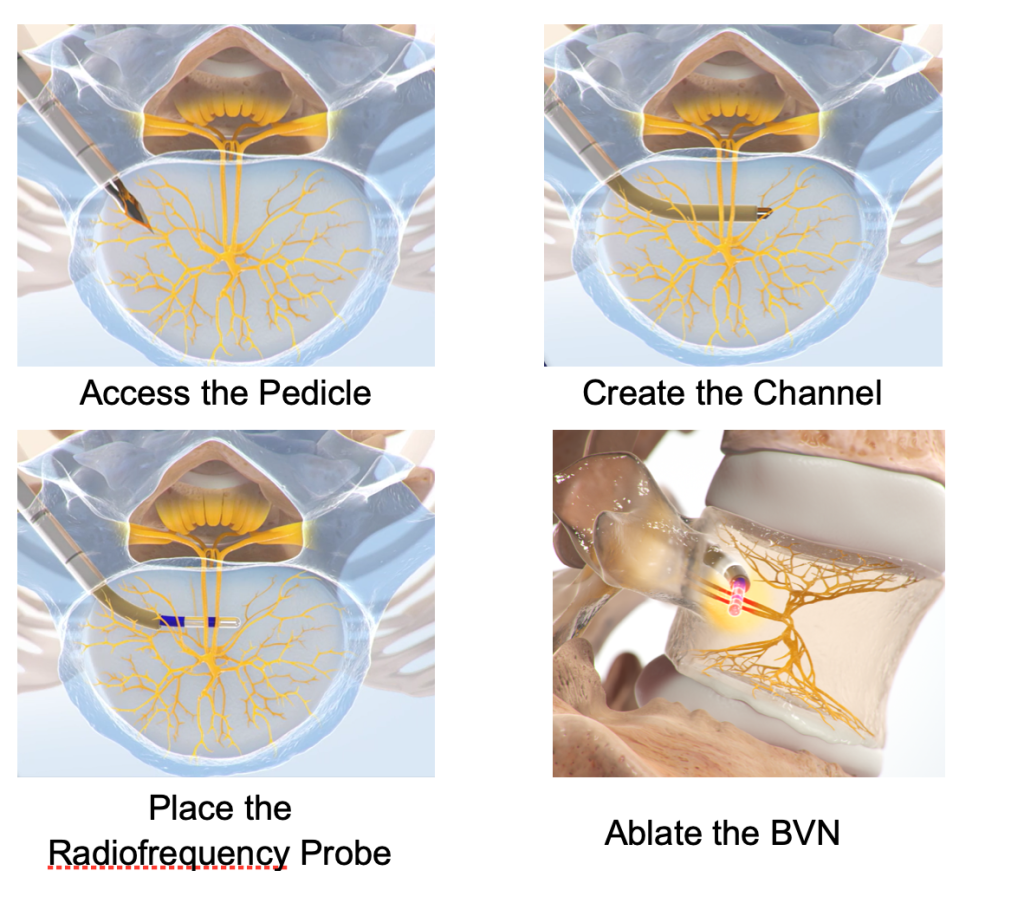
The procedure involves accessing each vertebral body via the pedicle which connects the back to the front of the vertebral body. X ray is used to guide the probe to the BVN. It takes 4-8 weeks for the pain signal to stop. The procedure is outpatient and takes about 1.5 hours to complete. The only restrictions after are no more than 10 pounds lifting for a week.
Thank you, Dr. Bingham, for allowing me a platform to talk about what I do! If you have any questions or spine care needs do not hesitate to reach out to my office at 317-564-6800, or email me.

Neil D. Farren, M.D. is board-certified in Anesthesiology and Pain Medicine. Dr. Farren is a fellowship-trained interventional spine specialist and has received the latest training in non-operative therapeutic and diagnostic techniques used to treat all aspects of spine pathology.
Dr. Farren is a native of Philadelphia, PA and came to Indiana for his undergraduate education at DePauw University. He then received his master’s in biology from IUPUI before spending 3 years in the biomedical engineering field. During that time, he worked on development of catheter technology for interventional cardiology, publishing multiple peer-reviewed papers on the topic.
Dr. Farren attended Indiana University School of Medicine. He completed his intern year at Ascension St. Vincent and his anesthesia residency at Indiana University School of Medicine. Following residency, he completed his interventional pain medicine fellowship at University of Cincinnati College of Medicine where he received the latest training in non-operative spine care. He has published in peer-reviewed journals and presented at regional and national conferences on interventional spine care.
Outside of medicine, Dr. Farren enjoys spending time with his twins and wife. He enjoys ice hockey, golf, and being outside whenever he can be.

by Laurel Fick MD, FACP, DipABLM, MSCP
If you’ve heard that “hormone therapy is dangerous, ” you’re not alone. That fear traces back to early headlines from the Women’s Health Initiative (WHI) study in 2002. But two decades to early headlines from the Women’s Health Initiative (WHI) study in 2002. But two decadesof follow-up, re-analyses, and modern prescribing have clarified what those headlines missed:
For most healthy women who start hormone therapy before age 60 or within ~10 years oftheir final period, estrogen therapy is highly effective for symptoms (Lippincott Journals)and demonstrates multiple healthy aging benefits.
During the menopause transition, estrogen levels fall and fluctuate. Estrogen is not just a “reproductive hormone”-- it has receptors throughout the body, including the brain, bloodvessels, skin, joints, and bone. That’s why menopause can affect more than periods.
When appropriately prescribed, menopausal hormone therapy (MHT)—often simply called “HRT”—can help with:
● Hot flashes and night sweats (vasomotor symptoms) – this is where estrogen is most consistently effective (PubMed)
● Vaginal dryness, discomfort with sex, urinary symptoms (genitourinary syndrome of menopause) (PubMed)
● Bone loss and fracture risk (estrogen helps maintain bone density) (PubMed)
WHI was a landmark randomized trial, but it was widely misapplied.
Key context that many headlines skipped:
1. The average participant was ~63 years old, and many were more than 10 years past menopause—not the typical person starting therapy for new hot flashes in her early 50s. (PMC)
2. The main regimen studied was oral conjugated equine estrogen (CEE) with medroxyprogesterone acetate (MPA) for women with a uterus—specificformulations that aren’t the only (or most common) choices today. (PMC)
3. Later analyses showed risks and benefits vary strongly by age and time-since-menopause (often called the “timing hypothesis”). In younger womencloser to menopause, absolute risks were much lower and overall outcomes were more favorable than in older starters. (PMC)
So why did HRT get a bad rap? Because early reports often sounded like a universal warning—when the real story was “it depends who starts, when, and what they take.”
What’s well supported:
● Best treatment for hot flashes/night sweats and quality-of-life symptoms. (PubMed)
● Bone protection while on therapy. (PubMed)
● Lower absolute risk in healthy women who start younger/earlier, especially when therapy is individualized (dose, route, and formulation). (AHA Journals)
What’s not fully known (yet):
● Estrogen therapy may also support healthy aging in the brain, metabolic health, and reduce risks of chronic health conditions
Hormone therapy is not “risk free,” but the risks are often small in absolute numbers for appropriately selected patients.
A few key safety points:
● If you have a uterus, estrogen must be paired with uterine protection (a progestogensuch as micronized progesterone, or other clinician-recommended options). This reduces the risk of uterine (endometrial) cancer. (ACOG)
● Blood clot and stroke risk can vary by route. Many guidelines note that transdermal (patch/gel/spray) estrogen may have a lower clot risk than oral estrogen, making it a preferred option for most women. (Lippincott Journals)
● Breast cancer risk depends on the regimen and duration. In WHI, combined estrogen + progestin showed a different breast risk signal than estrogen-only (used only after hysterectomy), but most modern experts do not think that menopausal hormone therapy is causally related to breast cancer. This is one reason individualized choice of formulation matters. (PMC)
Bottom line: good menopause care is about matching the right patient to the right therapy, at the right time, using the safest effective dose and reassessing periodically. (Lippincott Journals)
If you’re considering hormone therapy, be sure to see a physician or provider that is educated in the care of perimenopause and menopause. You can find local experts using the finder from The Menopause Society.
For the most reliable treatments:
Use FDA-approved options (they are standardized for purity, dose, and safety monitoring):
● Transdermal 17β-estradiol (patch/gel/spray)
● Oral estradiol (in appropriate candidates)
● Micronized progesterone (when uterine protection is needed)
● Low-dose vaginal estrogen for local symptoms (often with minimal systemic absorption)
Avoid “shortcuts” that aren’t supported by strong safety data:
Compounded “bioidentical” hormones: not FDA-approved, potency can vary, and claims based on saliva testing are not reliable. (ACOG)
Hormone pellets: dosing is difficult to adjust once placed, and they’re frequently compounded/unregulated; mainstream guidelines generally prefer adjustable,FDA-approved routes. (If someone is pushing pellets as “safer,” ask for high-quality evidence—not marketing.) (ACOG)

Dr. Laurel Fick is the CEO and Founder of Niche Medical at InFitness Club in Indianapolis, IN. Dr. Fick worked as an academic Internal Medicine physician at a large, local hospital system for over 15 years before opening her practice. Dr. Fick is double boarded in Internal Medicine and Lifestyle Medicine and is a Menopause Society Certified Practitioner whose practice emphasizes whole human health. Her focus on prevention, risk stratification, and lifestyle medicine aims to partner with patients in optimizing their health for decades of disease-free living and thriving.

While GLP-1 medications like semaglutide and tirzepatide are effective for weight management and blood sugar control, they frequently cause gastrointestinal side effects. Nausea, the most common symptom, affects approximately 40% to 70% of users. Emerging clinical strategies, including the use of Bifidobacterium lactis Bi-07 and pancreatic enzymes, are being used to mitigate these symptoms.
Probiotics help restore microbial balance and improve gut motility, which is often slowed by GLP-1 therapies.
GLP-1 medications slow down the digestive process, which can lead to food remaining undigested in the stomach for longer periods.
To optimize results and minimize nausea, these supplements are often used as part of a comprehensive "Healthy Gut" protocol:
Consult your healthcare provider before starting new supplements, especially if you have a history of pancreatitis or are immunocompromised.
The Bi-07 strain is often paired with Lactobacillus acidophilus NCFM to maximize digestive comfort.
Pancreatic enzymes are usually taken with meals to assist the "heavy lifting" of digestion. [6]
According to a recent pilot trial reported on Medscape, ginger supplements may help manage the nausea often experienced by patients taking GLP-1 agonists (such as those used for obesity and type 2 diabetes).
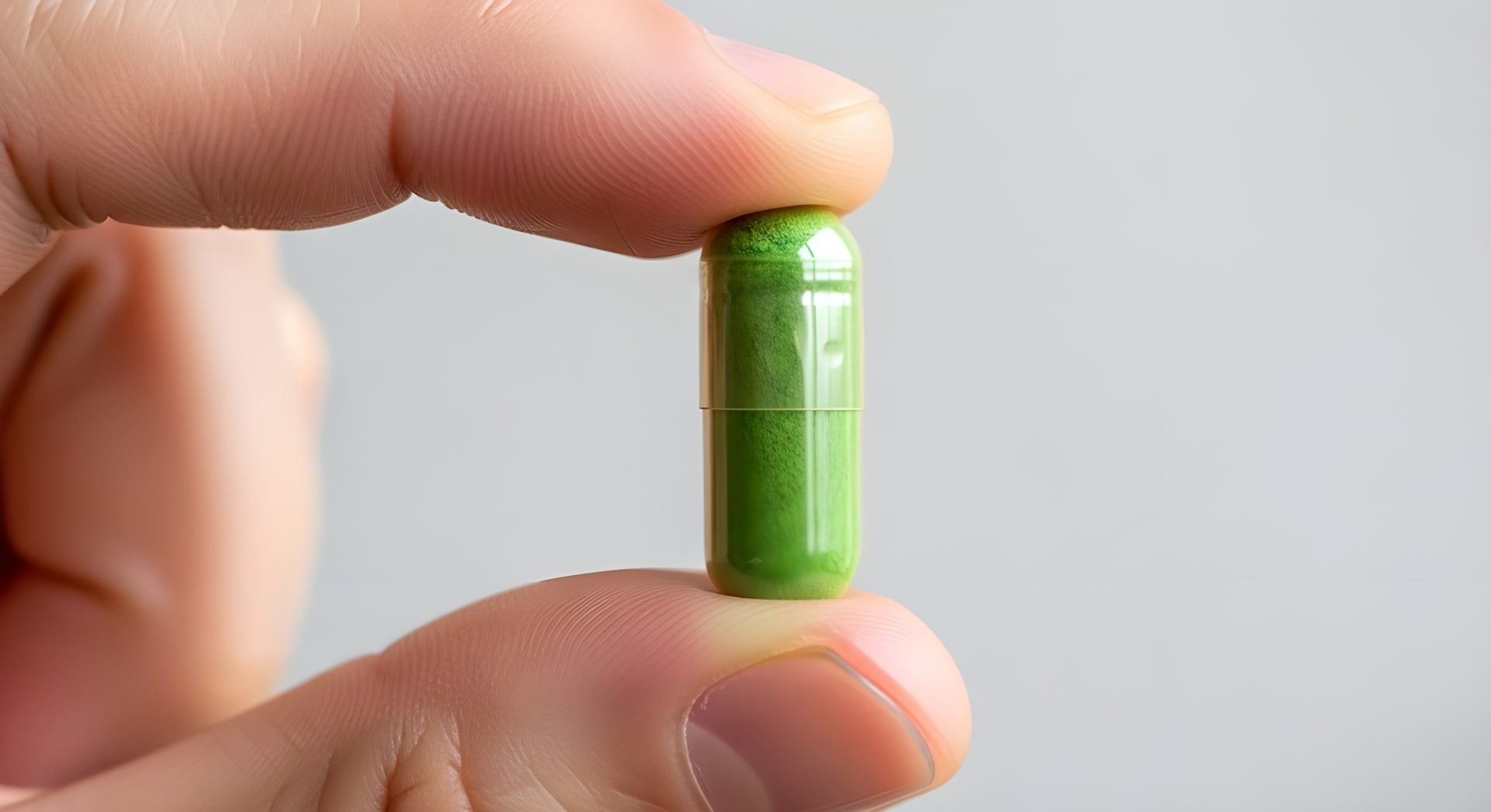
Healthy weight management is rarely just about "calories in versus calories out." Modern research has revealed that the gut microbiome plays a pivotal role in how our bodies store fat and regulate appetite. Metagenics UltraFlora Control is a targeted probiotic designed specifically to address this metabolic link.
The formula centers on a single, highly researched strain: Bifidobacterium animalis ssp. lactis B-420™.
Unlike general-purpose probiotics that focus on digestive regularity, UltraFlora Control is engineered to influence body composition through three primary mechanisms:
The effectiveness of UltraFlora Control is backed by significant human clinical trials, most notably a landmark study published in EBioMedicine:
In a randomized, double-blind, placebo-controlled study of 225 overweight and obese adults, participants were given either the B-420 strain, a prebiotic fiber, a combination of both, or a placebo for six months.
Further research highlights indicate that B-420 consumption increases the prevalence of Akkermansia muciniphila in the gut. Higher levels of Akkermansia are strongly associated with leaner body compositions and healthier metabolic profiles.
| Feature | Detail |
| Main Strain | Bifidobacterium lactis B-420™ |
| Potency | 10 Billion CFU per capsule |
| Target Goals | Body fat reduction, waist size control, appetite management |
| Storage | Shelf-stable (no refrigeration required) |
While Metagenics UltraFlora Control is not a "magic pill" for weight loss, the clinical evidence supports it as a powerful tool when paired with a healthy diet and exercise. It addresses the underlying microbial imbalances that can make weight maintenance difficult, particularly for those struggling with abdominal fat and persistent hunger.
Would you like me to help you create a meal plan that specifically supports the growth of these beneficial gut bacteria?

A landmark cohort study published in the January 2026 issue of Diabetes, Obesity and Metabolism has sparked a vital conversation among endocrinologists and mental health professionals. While GLP-1 receptor agonists (RAs) like semaglutide (Ozempic/Wegovy) and tirzepatide (Mounjaro/Zepbound) are celebrated for their metabolic benefits, this research identifies a statistically significant—though modest—increase in the risk of new-onset depression.
The research was a large-scale, "new-user, active-comparator" cohort study designed to isolate the psychiatric effects of GLP-1 RAs from the general risks associated with obesity and diabetes.
The researchers proposed a biological mechanism for these findings, focusing on the brain's reward centers. GLP-1 receptors are found in the brain responsible for pleasure and motivation.
The study concluded that initiation of a GLP-1 RA was associated with a higher likelihood of developing depression or starting antidepressant therapy within the first year.
| Metric | Findings |
| Relative Risk | 9% increase compared to SGLT2 inhibitors. |
| Absolute Risk | 17.0% of GLP-1 users vs. 14.8% of SGLT2 users developed depression. |
| Older Adults (65+) | Higher vulnerability, with a 15% increased risk in this demographic. |
| Time to Onset | Risk peaked in the subacute period and plateaued after 6 months. |
Crucially, the study authors emphasized that these psychiatric findings must be viewed alongside the drugs' life-saving capabilities. In the same patient population, GLP-1 RA use was associated with a 26% lower rate of all-cause mortality.
"The modest psychiatric risk must be balanced against the substantial cardiovascular and mortality benefits these medications provide." — Study Conclusion
As GLP-1 medications become a standard of care for obesity and diabetes, the study suggests a shift toward "Integrated Metabolic-Psychiatric Care":
Please speak to your provider if you are experiencing any of these symptoms associated with taking these medications.
The most significant red flag is anhedonia—the loss of the ability to feel pleasure. Because GLP-1s "quiet" the dopamine response to food, they can accidentally quiet the dopamine response to everything else.
Social media often calls this "Ozempic Personality," but clinically, it is a dampening of emotional range.
Even though you aren't physically hungry, your brain may miss the "reward" hit it gets from food, leading to a low-grade, persistent agitation.
The 2026 study noted that the risk isn't necessarily immediate.
Because so much of human socialization revolves around shared meals, a loss of "hedonic" interest in food can lead to secondary isolation.
Red Flag: Avoiding social gatherings not just because you aren't hungry, but because you feel a lack of motivation to engage with others.

Lower back pain (LBP) is often a "perfect storm" of biological factors. It rarely stems from just one disc or joint; instead, it usually involves a complex web of muscle guarding, nerve irritation, and restricted blood flow.
When your back "goes out," your muscles enter a protective state called hypertonicity—they lock up to prevent further injury. Dry needling acts as a strategic intervention to break this cycle of tension, providing a mechanical "reset" for the deep stabilizers of the spine.
Unlike a massage that works on the superficial layers of skin and fascia, dry needling can reach the deeper structures that are often the true culprits in chronic lower back pain:
Multiifidus Muscles
Quadratus Lumborum
Gluteus Medius
Researchers have proposed several ways that dry needling might influence pain and muscle sensitivity, but the exact mechanisms and individual responses remain uncertain. Some patients report short-term improvement, while others notice little change or temporary soreness. Dry needling should be selected after an evaluation and used as one possible part of a broader plan that may include education, activity and exercise.
When the needle hits a trigger point in the lower back, it often triggers a local twitch response. This is a brief, involuntary contraction. Research shows that this twitch immediately reduces the concentration of "pain chemicals" (like Substance P and cytokines) that accumulate in tight muscle tissue, but is not necessary for Dry Needling to be beneficial in treating low back pain.
Tight muscles are "ischemic," meaning they have poor blood flow. Because they are constantly contracted, they squeeze their own capillaries shut. The micro-trauma from the needle causes vasodilation, flooding the lower back muscles with fresh, oxygenated blood to facilitate cellular repair.
Pain is influenced by many biological, psychological and social factors, and no single theory fully predicts how an individual will respond. Any change in symptoms should be assessed alongside changes in activity, function and tolerance.
Learn more about our dry needling, low back pain care and functional rehabilitation services.
While research has shown Dry Needling to be beneficial in treating low back pain, the therapeutic benefit is amplified when combining Dry Needling with Chiropractic Adjustments and other manual therapy modalities like Massage.
| Feature | Manual Therapy (Massage/Adjustment) | Dry Needling |
| Depth | Limited to superficial and mid-layers. | Can reach deep stabilizers like the Multifidus. |
| Precision | Broad pressure. | Targeted to a specific millimeter of tissue. |
| Chemical Impact | Primarily mechanical. | Proven to lower inflammatory chemicals in the tissue. |
A typical session lasts 15–30 minutes.
Most people start to experience some relief starting around their 4 visit. While everyone responds differently to dry needling we find that most patients need a total of 6-8 dry needling treatments to experience long lasting relief.
Currently dry needling is not covered by insurance so it is an out of pocket service. At Compass we charge $40 per dry needling session so a low back pain protocol would cost around $240-$320.
Learn more about dry needling on our Compass Chiropractic Dry Needling page.
Dry needling for the lower back should only be performed by a licensed professional (Physical Therapist, Chiropractor, or Medical Doctor) who is specifically trained in dry needling. Because the needles are placed near the spine and lungs (in the upper-lower back), anatomical precision is non-negotiable for safety.
Dr. Bingham, Dr. Crawford and Devin have all been trained and certified by a licensed Dry Needling Organization. Read more our provider on our About Us page.

Whether you call it "Tennis Elbow" (Lateral Epicondylitis) or "Golfer’s Elbow" (Medial Epicondylitis), these conditions share a frustrating commonality: they are rarely about active inflammation and more about tendinosis—a state where the tendon has failed to heal and has become thick, scarred, and painful.
Dry needling is increasingly used by physical therapists to "reboot" this stalled healing process, targeting the specific forearm muscles that pull on the elbow joints.
To understand how dry needling helps, we have to look at the "tugging" mechanism of the forearm:
When these tendons are overworked, the muscles attached to them develop trigger points—tight "knots" of muscle fibers that stay in a contracted state. This creates a constant, low-level tugging on the elbow bone (the epicondyle).
Dry needling addresses this through three distinct phases:
The therapist inserts a thin needle directly into the trigger points of the forearm. This often elicits a Local Twitch Response (LTR). This involuntary contraction is a sign that the muscle is "resetting" its electrical activity, allowing the tight band of tissue to finally relax. This immediately reduces the mechanical tension on the painful elbow tendon. While the twitch is common, research has shown that it is not required for the treatment to be successful.
Because chronic elbow pain often involves "stagnant" healing, the needle creates a tiny, controlled injury. This alerts the immune system to send fresh blood, oxygen, and growth factors to the tendon. This transitions the injury from a chronic, degenerative state back into an acute healing phase.
The needle stimulates the sensory nerves, which can help "dampen" the pain signals being sent to the brain. This is particularly helpful for patients who have developed central sensitization, where the elbow has become hypersensitive to even light touch or minor movements.
For years, cortisone shots were the "go-to" for elbow pain. However, recent clinical perspectives have shifted. While cortisone provides rapid short-term relief, it can actually weaken the tendon over time.
Studies, including those featured in the Journal of Orthopaedic & Sports Physical Therapy, suggest that dry needling combined with eccentric exercise (slowly loading the muscle) provides superior long-term functional recovery and a lower rate of recurrence compared to injections or "wait-and-see" approaches.
| Condition | Side of Elbow | Primary Muscle Target | Common Trigger Activity |
| Lateral Epicondylitis | Outside | Wrist Extensors | Typing, repetitive gripping, backhand sports. |
| Medial Epicondylitis | Inside | Wrist Flexors | Heavy lifting, manual tools, golfing. |
A typical session lasts 15–30 minutes.
Most people start to experience some relief starting around their 4 visit. While everyone responds differently to dry needling we find that most patients need a total of 6-8 dry needling treatments to experience long lasting relief.
Currently dry needling is not covered by insurance so it is an out of pocket service. At Compass we charge $40 per dry needling session so a typical elbow pain protocol would cost around $240-$320.
Learn more about dry needling on our Compass Chiropractic Dry Needling page.
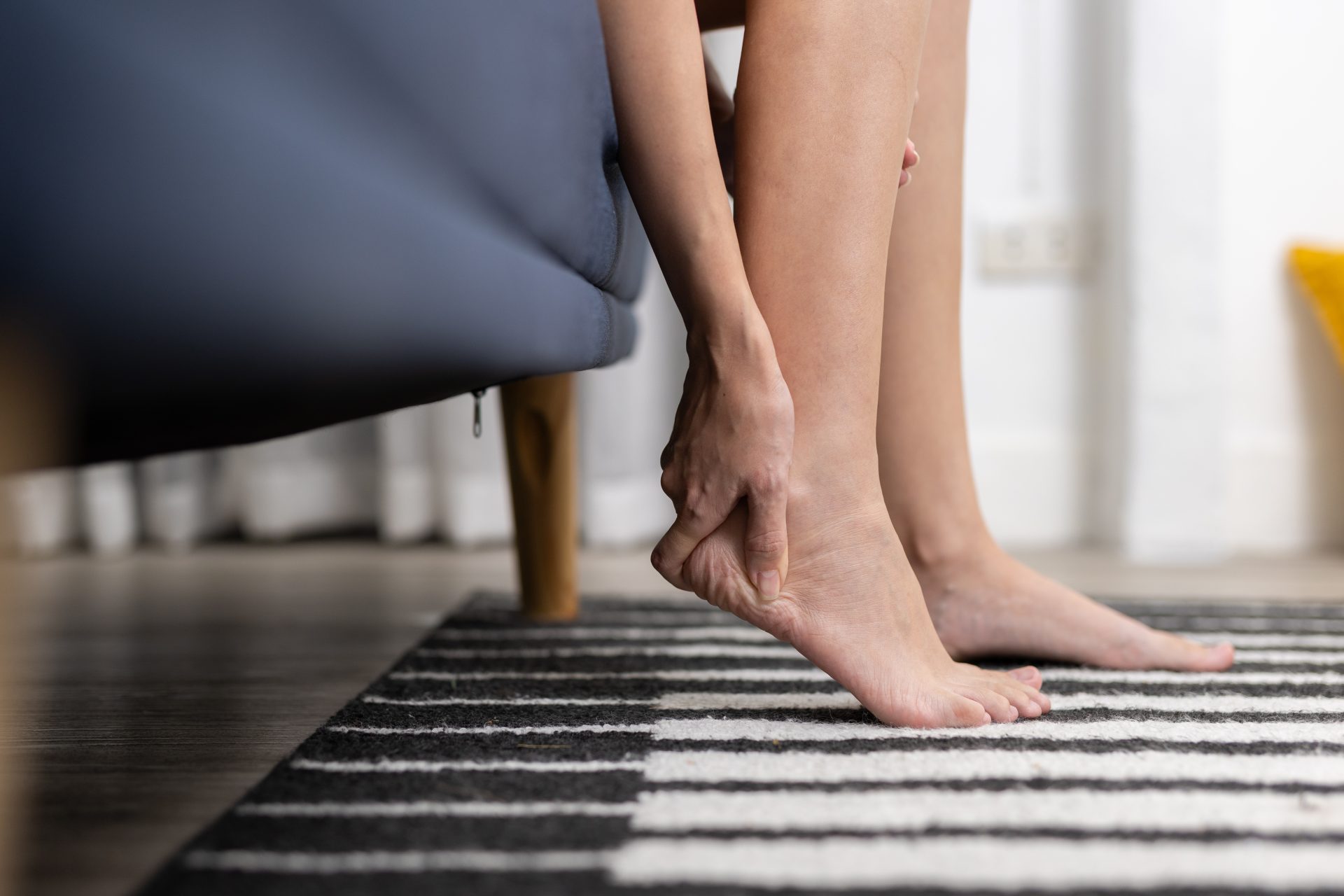
Plantar fasciitis is often described as a "nagging" injury, but for those experiencing that first sharp, stabbing step out of bed in the morning, it feels more like a crisis. While traditional treatments like stretching and orthotics remain the gold standard, dry needling has emerged as a powerful biological "reset button" for chronic heel pain.
By utilizing thin, filiform needles (same fine needles used in acupuncture) to target specific tissues, this Western medical technique goes beyond surface-level relief to address the mechanical and chemical roots of the condition.
Unlike acupuncture, which focuses on energy flow (meridians), dry needling is grounded in musculoskeletal anatomy. It helps plantar fasciitis through three primary mechanisms:
Recent meta-analyses, including studies published in journals like Frontiers in Neurology (2024/2025), highlight that while dry needling is effective on its own, it is a "force multiplier" when combined with other therapies.
A typical session lasts 15–30 minutes. Your therapist may needle the quadratus plantae (a small muscle in the arch) or the calf muscles.
Most people start to experience some relief starting around their 4 visit. While everyone responds differently to dry needling we find that most patients need a total of 6-8 dry needling treatments to experience long lasting relief.
Currently dry needling is not covered by insurance so it is an out of pocket service. At Compass we charge $40 per dry needling session so a typical plantar fasciitis protocol would cost around $240-$320.
Learn more about dry needling on our Compass Chiropractic Dry Needling page.
Dry needling is rarely a "one-and-done" miracle. It works best as a "window of opportunity"—the needle reduces the pain and tension, giving you a 24-to-48-hour window where you can perform your rehabilitation exercises and stretches more effectively.
A 24-month randomized trial tested high-dose oral lipoic acid in people with primary or secondary progressive multiple sclerosis (MS). The supplement did not improve walking speed or other clinical outcomes compared with placebo. MRI findings were mixed and difficult to interpret, while kidney-related adverse effects raised an important safety concern.
The phase 2 trial enrolled 115 adults at multiple sites in the United States and Canada. Participants received either 1,200 milligrams of oral lipoic acid daily or a placebo for two years. More than half were also using an MS disease-modifying therapy.
The primary goal was to determine whether lipoic acid slowed decline in walking speed. Researchers also evaluated walking endurance, falls, disability, cognition, patient-reported symptoms, MRI measures and adverse events.
Lipoic acid did not slow the decline in timed walking speed. Researchers also found no meaningful advantage for walking endurance, falls, overall neurologic disability, cognition, pain, sleep, fatigue, activity or social participation. More participants stopped the study early in the lipoic-acid group than in the placebo group.
Whole-brain volume appeared more stable in the lipoic-acid group, but the difference was not statistically significant and became smaller after an additional adjustment. Deep gray-matter volume favored lipoic acid, while total T2 lesion volume increased more in the lipoic-acid group. The investigators described these imaging findings as challenging to interpret.
An MRI measurement is a research biomarker; it is not by itself proof that a treatment helps patients feel or function better. In this trial, the imaging signals did not translate into better mobility, cognition or patient-reported outcomes.
Protein in the urine occurred more often with lipoic acid, and the researchers identified a treatment-related case of a form of membranous nephropathy. Kidney-function declines and nausea were also more common in the lipoic-acid group. Monitoring was increased during the trial because of these events.
This matters because the studied dose was high and lipoic acid is available without a prescription. “Over the counter” does not mean risk-free, and the trial protocol’s laboratory monitoring cannot be replicated by self-treatment.
Lipoic acid is not a substitute for an MS disease-modifying therapy, rehabilitation or neurologic care. People with MS should not start the 1,200-milligram regimen used in this trial on their own. Anyone currently using lipoic acid should tell their neurologist and pharmacist, including the product, dose and frequency, so potential risks and appropriate monitoring can be reviewed.
Seek medical advice promptly for swelling, foamy urine, changes in urination or other new symptoms. Do not add another supplement to “balance” lipoic acid without professional guidance; doing so can add interactions and make side effects harder to identify.
This trial did not show that lipoic acid improved walking or other clinical outcomes in progressive MS. Although some MRI findings may guide future research, they do not establish a patient benefit, and the kidney-related risks are clinically important. The evidence does not support presenting lipoic acid as a proven MS treatment.
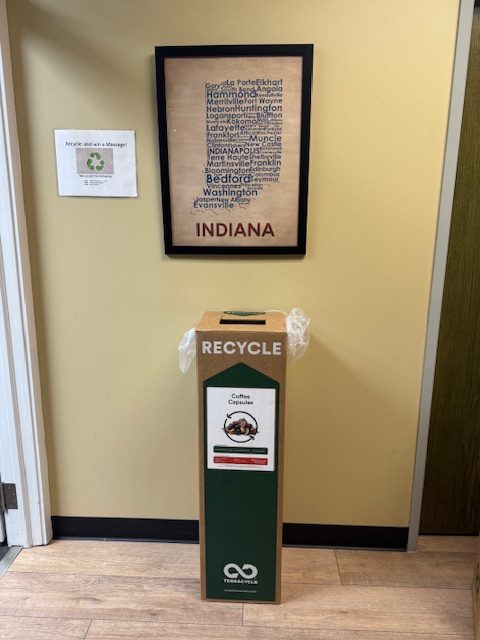
If you drink a lot of single-serve coffee in K-Cups, TerraCycle offers a great way to keep those pods out of the landfill. Many standard K-Cups aren’t accepted in curbside recycling because they’re made from mixed materials, but through TerraCycle’s Zero Waste Box® program you can collect used pods and send them in for recycling. The pods are processed into raw materials that can be reused in new products, reducing plastic and aluminum waste. It’s a simple, proactive way to make your coffee habit more sustainable.
Due to the weight of the used K-cups the cost of shipping is cost prohibitive for most people. We have decided to make a TerraCycle K-cup recycling box available for anyone who would like to bring in their K-cups. In addition, each time you bring in your K-cups you will be entered into our monthly massage drawing.
To learn more about TerraCycle visit their website - https://www.terracycle.com