
A 2025 study reported an association between higher consumption of several low- and no-calorie sweeteners and faster decline on certain cognitive tests. That finding deserves attention, but it does not show that artificial sweeteners damage the brain or cause dementia.
Researchers followed 12,772 adults in the Brazilian Longitudinal Study of Adult Health for about eight years. Participants completed a food-frequency questionnaire at the start of the study, and researchers measured memory, verbal fluency and other areas of cognition over time.
Higher reported intake of aspartame, saccharin, acesulfame potassium, erythritol, sorbitol and xylitol was associated with a faster decline in global cognition, particularly memory and verbal fluency. The associations varied according to age and diabetes status. Tagatose did not show the same signal, but intake was low, so that result should not be interpreted as proof that it is safer.
The researchers themselves described the results as a reason for further study, not as proof of brain damage. Randomized trials and research in other populations are needed before firm recommendations can be made about individual sweeteners and long-term cognition.
Not automatically. Added sugar can also contribute to health problems, and this study was not designed to determine whether sugar is better or worse than low-calorie sweeteners. A more practical goal is to gradually reduce how sweet foods and drinks taste overall while emphasizing water, minimally processed foods, fruits, vegetables, protein and fiber.
If you use low-calorie sweeteners to manage diabetes, weight or another medical condition, do not make a major change based on one study. Discuss the tradeoffs with your physician or a registered dietitian, especially if changing sweeteners would increase your sugar intake or affect blood-glucose management.
The available evidence raises a question about a possible relationship between higher sweetener intake and cognitive decline, but it does not establish that artificial sweeteners damage the brain. The strongest advice supported today is to consider the whole dietary pattern, avoid assuming that “sugar-free” automatically means health-promoting and make individualized choices with a qualified health professional.

by Dr. Bingham
There are a lot of supplement companies out there. It is estimated that there are over 7,500 companies worldwide which is mind blowing. As you could imagine, I get a lot of questions about specific supplement companies regarding their safety and efficacy. Unfortunately I am unable to have a working knowledge of all of these companies so stick with the companies that I know are safe and contain the ingredients they claim.
I have been interested in diet and dietary supplements long before I decided to be a chiropractor. Even as a kid I was intrigued by the number of supplements my grandmother would take each day. She is one of the healthiest people I have ever known and continued to hike with us in the mountains of Colorado into her 90's. I'm not here to tell you that there is a supplement out there that will allow you to age like my grandmother, but in addition to addressing your other lifestyle factors I believe that supplements can provide benefit when used properly.
Dietary supplements can be safe and helpful when used appropriately, but they’re not risk-free. In the U.S., supplements are regulated by the FDA, but not in the same way as prescription or over-the-counter drugs. The FDA does not approve supplements for safety or effectiveness before they are sold — instead, it relies on post-market monitoring of adverse events and can take action if a product is found to be unsafe or misleading. (JAMA Network)
Supplements send an estimated ~23,000 Americans to hospital emergency departments every year due to adverse effects such as heart symptoms, allergic reactions, or swallowing problems — and over 2,000 of those visits result in hospitalization. (PubMed)
There are a lot of places to order supplements online and some are more trustworthy than others. First, we will address the behemoth in the room, Amazon.
Buying supplements on Amazon carries significant risks due to the prevalence of counterfeit, expired, or improperly stored products. While it is a convenient option, the open marketplace model allows unauthorized third-party sellers to list products that may not contain the advertised ingredients, or worse, contain harmful substances. I have also seen some supplements selling for 2-3X the typical retail cost on Amazon.
Fullscript is an online, HIPAA-compliant platform for healthcare practitioners to recommend and dispense professional-grade supplements directly to patients. Founded in 2012, it provides access to over 300 trusted brands,, 20,000 products, and features like auto-refills, dosage tracking, and secure, direct-to-door shipping.
I use Fullscript when making supplement recommendations to patients because I know that their products are not counterfeit, they are 3rd party tested and they carry the brands that I have used personally and trust. Some of the supplements from Fullscript are slightly more expensive but the difference is minimal when you take into account the piece of mind you get knowing that you're getting what you expect without harmful chemicals and toxins.
If you have a supplement that you are currently taking and would like for us to check the price on fullscript.com you can email Dr. Bingham and send the company, supplement and quantity.
If you're ordering supplements online you should first verify that the company who makes the supplement is reliable and trustworthy. There are companies like Consumer Labs where you can get independent testing information on supplements with a membership. Once you have found a company you trust, you are best to order the supplement directly through the company and not through a 3rd party reseller.
This is a HUGE topic and one that I will save for another post. I will say is that I have been been around long enough to see some interesting changes in the world of dietary supplements. Not too many years ago the common wisdom was that probiotics were a waste of money and patients were actively dissuaded from purchasing them. Now, every time you get antibiotic your PCP and your pharmacist recommend taking probiotics. Drinks like Kombucha and foods like kim chi have become increasingly popular because they contain good gut bacteria. If everyone waited for the research to catch up with reality a lot of people would've missed an opportunity to improve their health.
My last frustration with the research that has been done is the caveat at the end. Typically the report will read something like this "we believe that this supplement is not necessary as long as you're eating a perfect diet, getting 10 hours of sleep, exercises 60 mins a day, have no stress and have never taken medication." Maybe I exaggerate a little, but we know that only a tiny fraction of the population has what would be considered a healthy lifestyle.
Maybe you waste a little money along the way, but I think that is much better than finding out 20 years from now that you missed an opportunity to live a longer, healthier life.

Red meat has been in a the news a lot lately with the updated food pyramid presented by RFK junior. These new dietary guidelines call for less sugar and processed food, but more protein, specifically from red meat. We will look at the research surrounding the health implications surrounding increasing intake of red meat and the differences between processed and unprocessed meat. For years, meat has been painted with a broad brush as “unhealthy.” But the scientific evidence shows a big difference between unprocessed meat and processed meat — and it’s the processed version that consistently shows stronger ties to chronic disease.
Processed meats are modified to prolong shelf life and enhance flavor — through curing, smoking, salting, or adding preservatives like nitrites and nitrates. Typical examples include bacon, sausages, hot dogs, deli meats, and pepperoni.
These additives can form carcinogenic compounds (like N-nitroso compounds) during cooking and digestion, which is one mechanism linked to cancer risk. (The Nutrition Source)
The World Health Organization (WHO) classifies processed meat as a Group 1 carcinogen, meaning there is convincing evidence it increases cancer risk — especially colorectal cancer. (The Nutrition Source)
Large meta-analyses of cohort studies show that higher processed meat intake is significantly associated with elevated risks for several cancers, including colorectal, colon, rectal, and lung cancers. (PubMed)
Systemic inflammation has been shown to be a contributing factor in chronic disease and processed foods have been tied to increased inflammation.
Prospective research shows that processed meat intake is linked to higher incidence of cardiovascular disease (CVD), while unprocessed meat often shows a weaker or no association when factors like diet and lifestyle are accounted for. (SpringerLink)
One analysis reported that processed meat is more strongly tied to heart disease than unprocessed red meat in large cohorts across Europe, with processed meat showing a significant positive association with CVD risk but unprocessed meat showing little to no association. (SpringerLink)
Processed meats often contain much higher sodium and chemical preservatives than fresh meats — and high sodium, in particular, is linked to elevated blood pressure and cardiovascular risk. (PubMed)
Many processed meats also include nitrites/nitrates that can form harmful compounds when heated or digested. (The Nutrition Source)
Unprocessed meat refers to fresh cuts of beef, pork, lamb, chicken, turkey, fish, and other seafood that haven’t been cured or chemically altered.
Randomized clinical studies — the strongest design in nutrition research — indicate that moderate amounts of unprocessed beef have no significant impact on key cardiovascular risk factors like blood pressure and cholesterol when eaten as part of a balanced diet. (Global Cardiology Academy)
A comprehensive systematic review found only weak or inconsistent evidence linking unprocessed red meat consumption with major chronic disease outcomes like colorectal cancer, heart disease, or stroke. (Health Data)
In large observational studies, processed meat intake consistently carries higher risk estimates for CVD and diabetes compared to unprocessed meats. (PubMed Central)
For example, one influential meta-analysis found processed meat consumption associated with ~42% higher risk of coronary heart disease per 50 g/day increase, while unprocessed meat showed no significant association. (PubMed Central)
Some cohort evidence does show modest positive associations between unprocessed red meat and CVD when large populations are analyzed, but the risk magnitude is typically much smaller than that for processed meats. (OUP Academic)
The broader dietary pattern is also important — diets rich in vegetables, fruits, whole grains, and healthy fats are consistently associated with better health outcomes, while ultra-processed foods (including processed meats, refined grains, and sugary snacks) are linked to worse health outcomes overall. (The Australian)
If you enjoy meat, the science suggests:
✔ Favor unprocessed meats like fresh cuts of beef, pork, chicken, and fish
✔ Limit or avoid processed meats such as bacon, sausages, and deli slices
✔ Balance meals with whole, minimally processed foods — vegetables, legumes, whole grains, and healthy fats
This approach aligns with the current evidence: it’s not meat in general that’s the problem — it’s the processing that increases chronic disease risk.
Research consistently links processed meat to cancer and cardiovascular risk, likely driven by added preservatives, sodium, and chemical byproducts of processing. By contrast, unprocessed meat — eaten in moderation as part of a balanced diet — shows less consistent or much smaller associations with chronic disease. Here is the rub, how many people, Americans particularly, consume meat in moderation and what exactly is a moderate intake of meat?
I agree with the research that shows that humans survived partially due to our ability to adapt to a variety of different food sources. I believe that we were designed to have a omnivore's diet, but I also believe that meat was scarce and our bodies adapted to use it as a fuel source on the occasion that we were luckily enough to catch prey. I don't imagine our distant ancestors waking to a plate of bacon each morning to start their day.
Time and time again, the Mediterranean diet has been shown to one of the healthiest diets available to us. The mediterranean diet does not eliminates meat, but does limit it.
I understand that a lot of people have very strong feelings about diet and in particularly meat consumption. I also understand that there is a significant environmental burden associated with meat production. In addition, I am not suggesting that the new dietary guidelines proposed by the administration are accurate or correct. I am saying that I do believe that there is a place for meat in our diet, but in moderation.
I am curious of other thoughts on this topic. Please share, but keep it respectful 🙂

by Dr. Bingham
Happy January!
2026 is here and with it comes chance to hit the reset button and make some positive changes. Whether you love the start of the year and you can't wait to get cracking on those resolutions or if you think resolutions as a waste of time, the new year is great time to move that dial towards improving your station in life. These changes can take many forms, but health related resolutions are some of the most common. With recent research showing the harmful effects of even moderate alcohol consumption Dry January has become on of the most common health related resolutions.
According to Drive Research, 33% of Americans participated in Dry January in 2025 with 72% being successful.
Personally I attempted my first Dry January when I lived in Portland over 20 years ago. typically I would make it a couple weeks before the temptation of the Northwest craft beers got the best of me, or maybe it was the 9 months of rain that got to me. Recently I completely I stopped drinking for 6 months and then again for a month. A friend recently asked me why I was able to abstain for so much longer than I had in the past. Initially I was sure, but I think that it because the alternatives are so much better and more plentiful. What I learned about myself was that the ritual of the drink was just as important as the drink. For me the drink was a signal to myself that I was "off duty" and it was time to relax. I will not argue that alcohol is more effective at creating that relaxation, but I was surprised by how much having an NA drink allowed me to take that deep breath and relax.
I started my NA journey with NA beer. I found that the lighter NA beers did a pretty good job at mimicking their alcohol containing counterparts, but finding a NA craft beer was not as easy. Currently Athletic Brewing is one fo the most popular names in the NA craft beer space, but I found others that I preferred and I wrote a blog article about it.
I didn't have much interest in NA cocktails because to be honest I didn't think they could make something that would even come close to the real thing. What I found is a number of companies that were making NA cocktails that were not trying to be something they weren't and instead created a new drink all together.
Here are some of my favorite NA cocktails, which are available at Orangily at 54th and the Monon. I consume all of these on the rocks, but each company has mixed cocktail recipes on their websites.
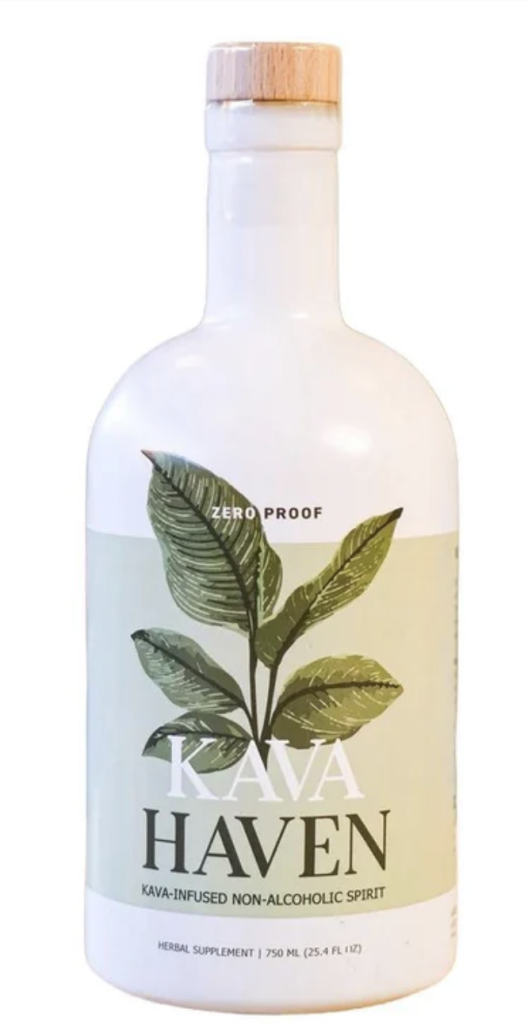
I wanted to start with Kava Haven because it is one of my favorites, but it is an acquired taste. Personal I wouldn't recommend starting your NA cocktail journey with Kava Haven because of how unique it is. First is has a milky texture and causes a numbing sensation in the mouth which I can only compare to the sore throat spray Chloraseptic. Sounds delicious right? The numbing sensation in the mouth is cause by the local anesthetic properties of Kava.
So what is Kava anyway? Kava is a traditional beverage made from the root of the Piper methysticum plant, has been consumed for centuries in the Pacific Islands for its relaxing and anti-anxiety properties similar to medications like benzodiazepines, such as Xanax, Valium, or Ativan. Many people started using Kava in the 90's as a natural way to treat anxiety because it is non addictive, but there are health concerns that need to be understood.
Side effects
The most concerning side effect of Kava it it's potential ability to damage the liver, ironic that it is a NA alternative to alcohol that is notoriously bad for the liver. For more information check out "Is Kava a good substitute for Dry January" from the University of Colorado Medical department and UCLA's Ask the Doctor regarding safety and efficacy of Kava.

I credit Dromme for getting me hooked on NA cocktails. I was in Orangily and they were sampling Dromme and I am glad they were because I don't think I would've taken the chance on it without trying it first. As I mentioned earlier, what I really liked about Dromme is that it is not trying to be a traditional cocktail, instead it is it's own things all together and is hard to classify.
The company that makes Dromme does a great job explaining what Dromme is :
Dromme is a non-alcoholic functional spirit offering a stimulating, fruity, and spicy flavor profile from pomegranate, hibiscus, and Szechuan pepper, designed to energize with adaptogens and nootropics like Schisandra and Lion's Mane, providing a sophisticated alternative to alcohol with a tingling, vibrant finish. It's a zero-proof elixir that's layered, refreshing, and often described as having a spicy kick, perfect for mocktails or served over ice.
Dromme Awake is designed to give you a little pep without caffeine, but it does have vitamin B12 which can increase your energy. If sleep is an issue for you, you want want to consider Dromme Calm. Personally I much prefer the flavor of Awake which is more savory than than the sweeter Calm, but it is personal preference.
The other nice thing about Dromme is that you actually feel like you're doing something healthy for your body when you consume it due to all the healthy ingredients.
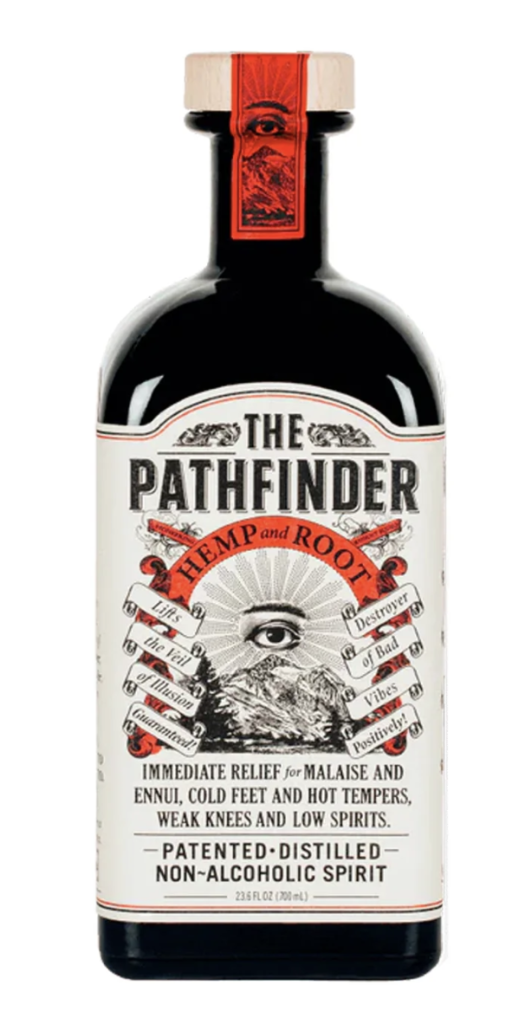
First, The Pathfinder gets major style points for this apothecary style bottle that deserves to be prominently displayed.
Of the three NA cocktails mentioned in this post this is the one that tastes to closest to a traditional cocktail and reminds me of a Manhattan or an Old Fashioned.
Once again it is best to leave the flavor description to the professionals:
The Pathfinder is a complex, non-alcoholic spirit made from fermented hemp, boasting earthy, bittersweet, and herbal notes, similar in character to an amaro or bitter Italian aperitif, with botanicals like wormwood, juniper, and Douglas fir, making it a versatile base for cocktails like a spritz or non-alcoholic Old Fashioned. It's described as robust, with hints of citrus, spice, and dried herbs, offering depth for both zero-proof and traditional drinks, often served neat, on the rocks, or mixed with tonic/soda.
The Pathfinder does have wormwood, which does have some purported benefits but is also not without some associated risks. Check out safety and efficacy of wormwood on healthline.com.
by Dr. Bingham
Brain health is influenced by many factors—sleep, diet, exercise, stress, and overall lifestyle. Supplements alone can’t replace healthy habits, but certain nutrients can support cognitive function, memory, mood, and long-term brain resilience, especially when dietary intake is low.
Below is a balanced look at supplements commonly used to support brain health, how they work, and who may benefit from them.
Best for: cognitive support, mood, long-term brain protection
Omega-3s—especially DHA—are major building blocks of the brain. DHA helps keep cell membranes flexible and supports communication between neurons.
Benefits may include:
Food sources: fatty fish (salmon, sardines, mackerel), algae
Supplement types: fish oil, krill oil, algal DHA (vegan)
Personally, if I were to pick one supplement that everyone should take it would be EPA & DHA because the health benefits are so wide reaching. If there is one supplement that you want to get from a trusted source it would be fish oil due to the potential for contamination.
Farthest left is fish in capsules, the middle is a vegetarian source of EPA & DHA and I also added a liquid form because this is what I gave my children when they were young and couldn't take the capsules. I was extremely surprised that my picky eaters would take the liquid form without a fuss 🙂
Best for: mood support, immune-brain connection, inflammation balance
Vitamin D acts like a hormone in the brain and helps regulate neurotransmitters. Many people have low levels, especially in winter.
Potential benefits:
Best for: relaxation, sleep quality, mental clarity
Magnesium is involved in hundreds of brain-related processes. Many adults consume less than recommended.
Forms:
Benefits may include:
Best for: energy, focus, memory
B vitamins help build neurotransmitters like serotonin and dopamine.
Key roles:
Low B12, in particular, can contribute to memory issues and fogginess.
Good option for: older adults, vegans, vegetarians, people with absorption issues
Best for: cellular protection, aging support
The brain uses more oxygen than any other organ, making it more vulnerable to oxidative stress. Antioxidants reduce cellular wear and tear.
Well-studied antioxidants:
Best for: inflammation balance and overall brain resilience
Curcumin, the active compound in turmeric, has strong antioxidant and anti-inflammatory properties.
Benefits may include:
Note: Choose a form with enhanced absorption (e.g., curcumin + black pepper extract or a liposomal form).
Best for: calm focus and stress reduction
Naturally found in green tea, L-theanine promotes relaxation without drowsiness.
Benefits:
Best for: focus, mild cognitive support, nerve health
Lion’s mane is a medicinal mushroom with compounds that may promote nerve growth factor (NGF), which supports brain cell communication.
Reported benefits:
Note: Research is promising but still early.
Best for: energy production in brain cells
CoQ10 helps mitochondria (the brain’s energy factories) produce ATP.
Benefits may include:
Best for: gut-brain connection, mood balance
The gut and brain communicate through the vagus nerve and produce many of the same neurotransmitters.
Supporting the microbiome may help with:
Choose diverse strains and include prebiotic fibers when possible.
Not all supplements are created equal. Look for:
Supplements work best alongside:
These create the foundation that supplements can build on.
There is no single magic pill for brain health, but certain supplements have strong scientific support for helping memory, focus, mood, and long-term cognitive resilience. Omega-3s, magnesium, B vitamins, antioxidants, curcumin, L-theanine, and Lion’s mane are among the most promising options. When used thoughtfully—alongside healthy lifestyle habits—they can be powerful tools for supporting a sharper, healthier brain.

We often hear that sleep is important for mental clarity—but few people know the brain actually cleans itself every night. Scientists call this nightly cleanup the glymphatic system, but many refer to it more simply as “brain washing.”
This remarkable process may help protect memory, reduce inflammation, and even lower the risk of neurodegenerative diseases. Here’s what really happens while you sleep and why it matters.
For years, scientists wondered how the brain removes waste. Other organs use the lymphatic system, but the brain has a unique structure that seemed to lack that pathway—until 2012, when researchers discovered the glymphatic system.
This system works like a combination of:
all working together to clear out waste your brain produces during the day.
This cleaning process is most active during deep sleep.
The brain is extremely busy when you're awake. It burns a lot of energy and produces waste proteins and toxins along the way—just like a factory.
Some of these waste products include:
If these are not removed, they can build up and interfere with:
In fact, an accumulation of beta-amyloid and tau is linked to conditions like Alzheimer’s.
Here’s what happens in simple terms:
During deep sleep, the spaces between your brain cells expand by up to 60%. This allows cerebrospinal fluid (CSF)—a clear, water-like liquid—to wash through the brain tissue.
As the fluid flows, it collects toxins, metabolites, and used-up proteins.
The waste-filled fluid then drains out of the brain and into the bloodstream, where the body filters it out.
This process barely happens during the day—sleep is when the system “turns on.”
The brain consolidates memories while it washes away clutter. People who sleep well:
Regular clearing of beta-amyloid and tau may help lower long-term risk of:
A cleaner, rested brain manages emotions better. Poor sleep is strongly linked with:
Removing “brain waste” restores mental energy. Without this cleanup, the brain becomes:
Deep sleep quiets inflammation throughout the brain and body, which protects neurons and supporting cells.
Aim for 7–9 hours. Consistency matters more than perfection.
Your glymphatic system works best on a rhythm.
Studies show side-sleeping increases glymphatic flow compared to back or stomach positions.
Alcohol disrupts deep sleep—the very stage where brain washing is most active.
Blue light delays melatonin, your brain’s sleep-triggering hormone.
Your brain needs fluid to flush out waste—dehydration slows the system.
Movement increases blood flow to the brain and supports waste clearance during sleep.
The Mind Diet is a specific diet that has been shown to improve brain health
Your brain is not resting when you sleep—it’s cleaning, repairing, and restoring itself. This “brain washing” process is one of the most powerful neuroprotective systems we have.
Prioritizing good sleep isn’t just about feeling rested—it may help protect your brain’s long-term health, memory, and function. Small improvements in sleep habits can lead to major improvements in how your brain performs today and how resilient it stays tomorrow.

Brain fog isn’t a medical diagnosis—but it is a very real experience. Many people describe it as a feeling of mental cloudiness, sluggish thinking, poor concentration, or trouble recalling information. While it can be frustrating, brain fog is usually a sign that something in the body or lifestyle is out of balance.
Below is a science-based look at why brain fog happens and the steps that can help clear it.
People experiencing brain fog commonly report:
Brain fog can come and go, or persist daily depending on the underlying cause.
Brain fog can come from many different factors. Often, more than one contributes at the same time.
Lack of deep, restorative sleep disrupts memory consolidation, attention, and executive function.
Common sleep disruptors:
Chronic stress elevates cortisol, which interferes with focus, mood regulation, and energy levels. Over time, the brain becomes less efficient at filtering distractions and storing new information.
Several nutrients are critical for brain function. Low levels can significantly impair cognition.
Common deficiencies associated with brain fog:
Fluctuations in hormones highly influence the brain.
Associated conditions include:
When the immune system is activated—even mildly—the brain can experience slowed signaling and fatigue.
Possible triggers:
Sharp rises or dips in blood glucose can cause fogginess, irritability, and low energy.
This is common in:
Some drugs may cause cognitive cloudiness as a side effect.
Common examples:
Many people experience brain fog after viral infections.
This includes:
Low physical activity reduces blood flow to the brain, slowing oxygen delivery and cognitive function.
Even mild dehydration can decrease attention, memory, and processing speed.
While solutions depend on the underlying cause, these strategies can significantly help most people.
Speak with a clinician to test levels and supplement if needed.
Nutrients often used for brain fog:
Even 10–20 minutes of movement increases brain blood flow.
Effective options:
Stress management is central to clearing brain fog.
Helpful techniques:
Aim for half your body weight in ounces daily (adjust for climate and activity).
If a medication may be contributing, discuss alternatives or dose changes with a healthcare provider—never stop abruptly.
Mental stimulation helps keep the brain sharp.
Ideas include:
You should consider speaking with a healthcare professional if:
Brain fog is a symptom—not a condition. It can stem from sleep issues, stress, nutrient deficiencies, hormonal imbalance, inflammation, or lifestyle habits. The good news: it’s often reversible. By identifying root causes and supporting brain health through sleep, nutrition, movement, and stress reduction, most people can restore mental clarity and cognitive energy.
A large brain-imaging study identified four approximate turning points in the organization of brain connections: around ages 9, 32, 66 and 83. These ages describe changes in average brain-network trajectories across a population. They are not deadlines for maturity, sudden changes in intelligence or predictions of when an individual will experience cognitive decline.
The study analyzed diffusion MRI scans from 3,802 people ranging from infancy to age 90. Researchers used the scans to study the topology of brain networks—how different areas of the brain are structurally connected and organized.
They identified five broad phases separated by four approximate turning points. The findings describe average patterns, and every person’s brain develops and ages differently.
During childhood, the brain rapidly builds and refines connections. Gray and white matter increase, while less-used connections are pruned and frequently used pathways are strengthened. Around age 9, the study detected a shift in the trajectory of this network organization.
From late childhood through the early 30s, the study found continued changes in brain-network integration and efficiency. The turning point near age 32 was the strongest change in the study’s mathematical model.
This does not mean that everyone remains an adolescent until 32 or that the brain suddenly becomes “fully mature” on a birthday. The research examined structural connectivity, not maturity, judgment, personality or individual cognitive performance.
Between the early 30s and mid-60s, the brain’s network organization followed a less dramatic trajectory than in earlier phases. That relative stability does not mean the brain stops changing. Learning, experience, health, injury and environment continue to influence the brain throughout adulthood.
Around the mid-60s, the researchers observed another shift in average network organization, including greater segregation between some brain regions. This was a population-level pattern—not evidence that memory or independence suddenly declines at 66.
The study identified a fourth turning point near age 83. The researchers had fewer participants in this oldest group, so the findings for later life were less certain. Older adults remain capable of learning and forming new connections, and cognitive aging varies considerably.
The study helps researchers understand how brain wiring changes across a lifetime, but it does not produce a clinical test or a treatment recommendation tied to a particular birthday.
For overall brain and physical health, broadly supported habits include regular physical activity, adequate sleep, management of cardiovascular and metabolic health, avoiding tobacco, staying socially connected and continuing mentally engaging activities.
Occasional word-finding difficulty or slower recall can occur with aging. Seek medical evaluation when memory or thinking changes are new, rapidly worsening, interfere with daily activities, follow a head injury or occur with weakness, facial drooping, speech difficulty, severe headache or other neurological symptoms.
Ages 9, 32, 66 and 83 are approximate turning points in average brain-network organization—not fixed biological deadlines. The most useful message is that the brain changes continuously and that development and aging vary from person to person.
Reviewed for general educational accuracy by Dr. Bingham. This article does not diagnose cognitive or neurological conditions.
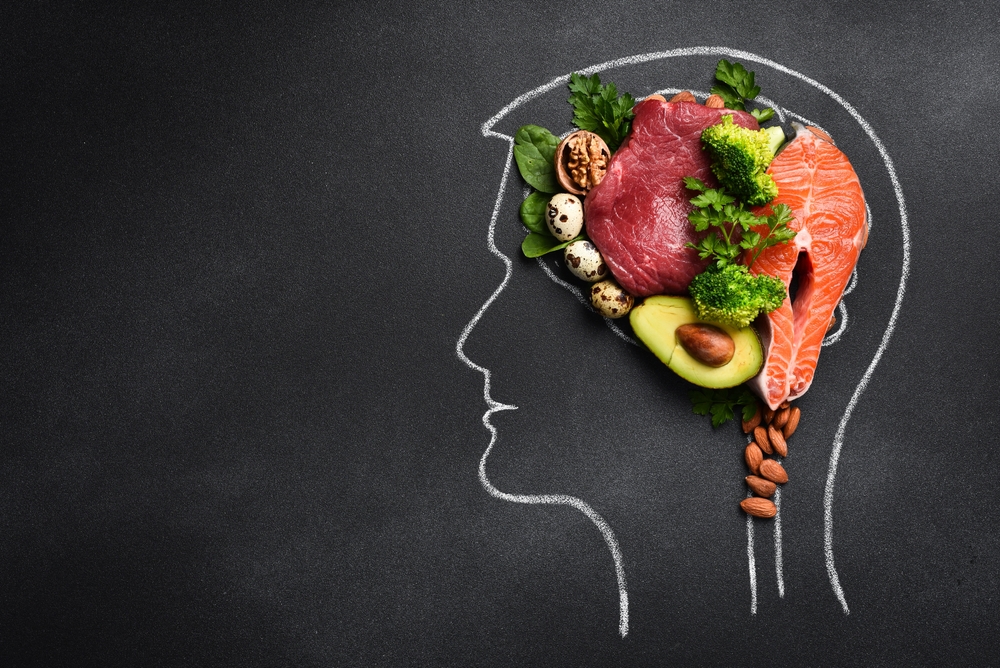
Your brain is only about 2% of your body weight, yet it burns roughly 20% of your daily energy. That means what you eat has an outsized influence on how well you think, learn, remember, and even manage your mood. Over the last decade, research has consistently highlighted specific eating patterns that nourish the brain, protect it from aging, and support mental clarity.
Below is a science-based look at the healthiest diet for brain function—and why it works.
Among all researched diets, one stands out: The MIND diet, a hybrid of the Mediterranean and DASH (Dietary Approaches to Stop Hypertension) diets. Large studies show that people who follow the MIND diet can reduce their risk of cognitive decline and neurodegenerative diseases, even if they don’t follow it perfectly.
The core idea: reduce inflammation and oxidative stress while supplying nutrients essential for brain structure and signaling.
Spinach, kale, arugula, and chard are packed with:
Goal: 1–2 servings per day.
Color equals nutrients. Aim for variety:
These supply phytonutrients that protect brain cells from oxidative stress.
Blueberries, strawberries, and blackberries are uniquely powerful for the brain. Their anthocyanins have been shown to:
Fish like salmon, sardines, herring, mackerel, and trout are the richest sources of EPA and DHA—omega-3 fatty acids critical for:
Plant omega-3s (like flax or chia) are helpful but far less bioavailable.
Walnuts are the standout nut for brain health due to high ALA omega-3 content.
Other great options:
Benefits include improved neuroplasticity, better circulation, and sustained energy.
A cornerstone of the Mediterranean diet, olive oil is rich in:
These compounds reduce oxidative stress in brain cells and support vascular health—crucial for oxygen delivery to the brain.
Carbohydrates power the brain. Whole grains provide steady glucose plus B vitamins important for nerve function.
Examples:
Beans provide fiber, iron, magnesium, and slow-release carbohydrates—all essential for stable blood sugar and neurotransmitter balance.
For brain-friendly proteins:
These foods increase inflammation and oxidative stress and are linked to faster cognitive decline.
High in nitrates, preservatives, and inflammatory compounds.
Sugar spikes blood glucose and increases inflammatory markers that affect the brain. Alcohol is a sugar that also damages the brain.
High sodium diets correlate with reduced brain perfusion.
Chronic inflammation damages neurons and is linked to Alzheimer’s and other neurodegenerative diseases.
Omega-3s, polyphenols, and B vitamins directly support the brain’s ability to grow new connections.
Healthy fats and antioxidants protect the “energy factories” in your brain cells.
A well-vascularized brain gets more oxygen and nutrients.
Steady glucose = better focus, better mood, and slower aging.
Breakfast
Oatmeal with blueberries, walnuts, and cinnamon OR spinach omelet with avocado
Lunch
Mixed greens with salmon, quinoa, olive oil dressing, and berries
Snack
A handful of nuts and green tea
Dinner
Grilled chicken or tofu, roasted vegetables, and a side of lentils or barley
The healthiest diet for the brain is one rich in plant foods, omega-3 fats, antioxidants, and fiber—exactly what the MIND diet emphasizes. This way of eating is associated with:
Even partial adherence has measurable benefits. The brain is constantly regenerating and adapting, and the foods you choose can profoundly shape that process.
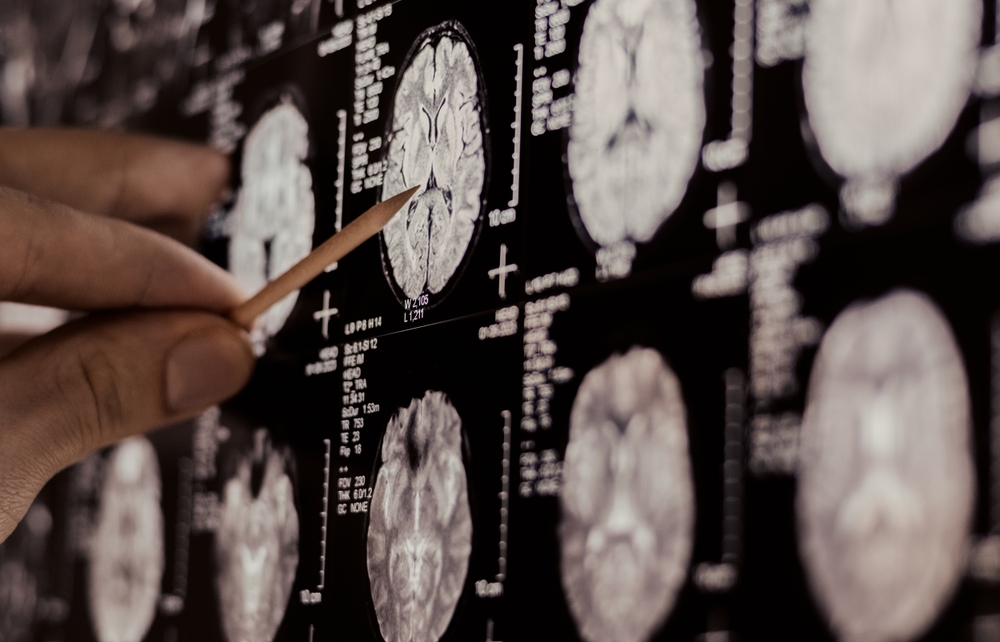
Over the past several decades, brain-related diseases have been increasing at a pace that has caught the attention of neurologists, public health experts, and policymakers worldwide. Conditions such as Alzheimer’s disease, Parkinson’s disease, stroke, multiple sclerosis, migraine disorders, and even mental health conditions like depression and anxiety are appearing more frequently — and often at earlier ages.
This rise reflects a complex interplay of aging demographics, environmental pressures, lifestyle patterns, and improved diagnostics. Understanding these trends is essential for shaping both prevention strategies and long-term healthcare planning.
The most significant factor contributing to the rise in neurological conditions is global aging.
However — age alone does not explain the entire rise.
Emerging research suggests that modern environmental exposures are playing a major role:
High levels of fine particulate matter (PM2.5) are increasingly linked to:
Urbanization means more people are exposed to these pollutants daily.
Exposure to:
has been associated with increased risk of Parkinson’s disease and cognitive impairment.
Certain plastics are endocrine disruptors and chemicals interfere with brain hormone signaling, potentially affecting neurological development in children.
Lifestyle changes over the last half-century have had profound effects on brain health.
Long-term stress elevates cortisol, which can damage the hippocampus — the brain’s memory center.
Physical inactivity is linked to increased risk of stroke, dementia, depression, and neurodegenerative disease.
Highly processed foods, oxidized fats, and sugar-heavy diets promote:
which collectively impair brain health.
Sleep is essential for brain detoxification through the glymphatic system. Chronic poor sleep is now a major risk factor for Alzheimer's disease and mood disorders.
Rates of diabetes, obesity, and hypertension have grown rapidly. Each contributes to brain disease through:
This is one reason why Alzheimer’s is sometimes referred to as “Type 3 diabetes.”
Improved medical technology means we are simply catching more cases than we used to:
This doesn’t fully explain the rise, but it increases reported cases.
People with cardiovascular disease, cancer, and autoimmune disorders are living longer thanks to modern medicine. However, longer life — especially with systemic inflammation or medication exposure — increases long-term risks for brain disorders.
Constant digital stimulation, reduced face-to-face interaction, and the dopamine-reward cycle from screens may contribute to:
While research is ongoing, many experts believe this modern cognitive environment stresses the brain in unprecedented ways.
While not all factors can be controlled, several evidence-based strategies support long-term brain health:
The rise in brain-related diseases is a multifaceted global challenge shaped by aging populations, environmental exposures, lifestyle changes, and better diagnostics. While the increase is concerning, it also highlights a tremendous opportunity: many of the contributing factors are modifiable.
Investing in brain health — individually and collectively — may not only reduce disease risk but also improve overall quality of life, productivity, emotional wellness, and longevity.