

Most people think of breathing as an automatic process—something the body does without effort. But how we breathe plays a powerful role in immune function. From oxygen delivery to stress regulation to lymphatic flow, breathing is deeply connected to the body’s ability to defend itself and stay resilient.
Here’s why your breath may be one of the most underrated tools for supporting immunity.
Chronic stress weakens the immune system by raising cortisol levels and suppressing the activity of immune cells.
Slow, intentional breathing activates the parasympathetic nervous system, shifting the body out of “fight or flight.”
Benefits include:
Studies show that breathwork techniques like slow diaphragmatic breathing or box breathing can calm the nervous system within minutes, helping the immune system function more efficiently.
Immune cells need oxygen to function at their best.
When breathing is shallow—often due to stress, poor posture, or sedentary habits—oxygen levels drop, circulation slows, and tissues become less efficient at healing and fighting infection.
Deep, diaphragmatic breathing helps:
With better oxygen flow, immune cells such as T-cells, macrophages, and natural killer cells become more active and effective.
Your lymphatic system is a major part of immunity—it moves waste, toxins, and pathogens out of the body.
Unlike the circulatory system, the lymphatic system has no pump. It relies on:
Deep breathing acts like a pump for the lymphatic system, helping move lymph fluid more efficiently. This accelerates detoxification and supports the body’s natural defense mechanisms.
Dysregulated breathing—especially mouth breathing—can increase inflammation in the airways and irritate the respiratory system.
On the other hand, nasal breathing filters, warms, and humidifies air, reducing the irritants that reach the lungs. Nasal breathing also increases nitric oxide production, which has:
This creates a healthier environment for the immune system to operate.
Good sleep is one of the strongest immune boosters.
Breathing patterns directly affect sleep by influencing heart rate, stress hormones, and nervous system balance.
Even simple breathing exercises before bed can:
You don’t need long sessions—just a few minutes a day can help.
Some well-researched methods include:
Promotes relaxation and boosts lymphatic flow.
Calms the nervous system and reduces cortisol.
Improves nitric oxide levels and reduces airway inflammation.
Balances the autonomic nervous system and lowers stress.
Regular practice strengthens the immune system by keeping the body in a more balanced, oxygen-rich, low-stress state.
Breathing isn’t just a passive process—it’s a powerful tool for supporting your immune system. Proper breathing:
By taking control of your breath, you can give your immune system the support it needs to function at its best—every single day.
Order here:

Saline and xylitol nasal sprays may help moisturize the nose and rinse away mucus or irritants, but they have not been proven to prevent or treat COVID-19, influenza or the common cold. Laboratory findings showing that a product affects a virus in a dish do not demonstrate that spraying it into the nose prevents infection in people.
Products such as Xlear combine saline with xylitol. The non-medicated versions are intended to moisturize and cleanse nasal passages. Some similarly branded products contain additional ingredients, so patients should read the exact product label rather than assuming every version is the same.
Saline sprays or rinses may temporarily loosen mucus, moisturize dry nasal tissue and help remove allergens or irritants. Evidence suggests saline nasal irrigation may relieve some cold symptoms, although it does not cure the infection.
If performing a nasal rinse rather than using a sealed commercial spray, use distilled, sterile or appropriately boiled and cooled water. Tap water is not safe for nasal rinsing unless it has been treated as recommended for that purpose.
There is not adequate clinical evidence that Xlear or another xylitol saline spray prevents or treats COVID-19. The Federal Trade Commission challenged unsupported COVID-19 prevention and treatment claims made in advertising for Xlear. In-vitro testing cannot establish protection in real-world use.
A nasal spray should not replace vaccination, antiviral medication when prescribed, testing, isolation guidance or other medical care for influenza or COVID-19.
Follow the product label and ask a pharmacist or medical clinician if you have chronic sinus disease, recent nasal surgery, frequent nosebleeds, immune suppression or questions about use in a child.
Contact a medical clinician for difficulty breathing, severe facial pain or swelling, dehydration, symptoms that are worsening rather than improving, or fever and respiratory symptoms in someone at increased risk of complications.
A saline/xylitol spray may be useful for comfort and nasal hygiene, but it should not be marketed or relied upon as protection against cold, flu or COVID-19. Choose the correct formulation, follow its label and use evidence-based preventive and medical care.
Reviewed for general educational accuracy by Dr. Bingham. This article does not replace medical advice or the product label.

N-acetylcysteine (NAC) is an antioxidant and mucus-thinning medication, but current evidence does not show that an over-the-counter NAC supplement reliably prevents the common cold, influenza or COVID-19. Laboratory findings and studies involving prescription forms of NAC should not be treated as proof that a retail supplement prevents infection.
NAC is a form of the amino acid cysteine and helps the body produce glutathione, an antioxidant. Prescription forms are used medically as an antidote for acetaminophen poisoning and, in certain formulations, to loosen thick respiratory mucus. NAC is also sold as an oral dietary supplement.
Cell studies suggest NAC can affect oxidative stress, inflammation and viral replication under laboratory conditions. Those experiments are useful for developing research questions, but they cannot show that taking a supplement prevents a person from catching a respiratory infection.
Human research on NAC supplements and immune function remains limited. Studies in hospitalized patients or people with chronic lung disease also do not establish that healthy adults should take NAC to prevent seasonal illness.
Clinical trials of intravenous NAC in hospitalized patients with COVID-19 did not demonstrate consistent improvements in outcomes such as mechanical ventilation, intensive-care admission or mortality. Intravenous treatment in a hospital is also fundamentally different from taking an over-the-counter supplement at home.
NAC has mucolytic activity, meaning it can reduce mucus viscosity. A medical clinician may use an approved NAC formulation for a specific respiratory indication. That does not make NAC a cure for the infection causing the mucus.
Oral NAC can cause nausea, vomiting, abdominal discomfort, diarrhea, indigestion or heartburn. It may lower blood pressure or have anticoagulant effects. Combining NAC with nitroglycerin can cause low blood pressure and severe headaches.
Ask a doctor or pharmacist before taking NAC if you use nitroglycerin, blood-pressure medicine or an anticoagulant; are pregnant or breastfeeding; have asthma or a bleeding disorder; or are receiving cancer treatment. Do not use a supplement as a replacement for prescribed medication.
NAC has legitimate medical uses and interesting biological effects, but “immune boosting” is too broad a claim. Evidence does not support presenting an NAC supplement as protection against cold, flu or COVID-19. Discuss the expected benefit, product quality and medication interactions with a qualified clinician before using it.
Reviewed for general educational accuracy by Dr. Bingham. This article does not recommend a supplement or replace individualized medical care.

By Dr. Bingham
As the days grow shorter and temperatures fall, many people experience a decline in energy, mood, and overall well-being. One major contributor to this seasonal shift is a drop in vitamin D levels. Often called the “sunshine vitamin,” vitamin D is unique because our bodies can produce it naturally—but only with adequate sunlight. Winter dramatically disrupts that process.
Vitamin D synthesis begins when UVB rays from the sun hit the skin. In summer, even brief exposure can generate significant amounts of vitamin D. But in winter, UVB rays weaken for several reasons:
In many places above 37° latitude (much of the U.S., Canada, and Europe), the sun simply isn’t strong enough between roughly November and March to produce significant vitamin D at all.
Studies consistently show substantial declines in vitamin D levels during winter months:
Vitamin D plays a crucial role in:
Low levels have been associated with increased susceptibility to respiratory infections, winter fatigue, low mood, and weakened bones over time.
Because sunlight becomes an unreliable source, other strategies help maintain healthy levels:
First it is important to know what your current serum Vitamin D levels are. Often times you doctor will order a Vitamin D test as part of your annual physical. There has been a lot of debate over what blood serum levels should be and there hasn't been a clear consensus. If you are interested in having your Vitamin D tested let us know and we can call an order in for you, the price is typically around $60. The following is a recommendation that I follow:
The amount of vitamin D supplementation is even more debated than the recommended blood levels.
A simple blood test can help determine your current vitamin D serum levels and whether supplementation is appropriate. The RDA that was set by the Institute of Medicine (IOM) in 1997 was around 400IU per day (this number varies based on various factors). Recently the IOM said that the RDA is wrong by as much as 10X because of improper calculations. Even though it has been speculated that the RDA is significantly lower than it should be, there has not been an official change to the current recommended RDA.
Why is there so much concern about taking too much Vitamin D supplementation?
There are four vitamins that are fat soluble (Vitamin A,D,E,K) and the other vitamins we consume are water soluble like B vitamins (this is why your pee turns yellow). Water soluble vitamins are flushed out of the body through our urine, but fat soluble vitamins aren't as easily removed from the body. This creates concern about excess vitamin D and what is called vitamin toxicity. The research has shown that Vitamin D toxicity is extremely rare and typically only happens in cases where someone is taking extremely high levels of Vitamin D. On study over 10 years only found 1 case of Vitamin D toxicity, which was a person who was taking 50,00 IU daily.
So how much vitamin D should we take?
Most research points to 4,000 IU as a safe dose (which is 10X the original IOM RDA) for most people except for those that have serum levels that are already higher than what is recommended. It has always seemed strange to me that we are afraid to supplement with more than 4,000 IU of Vitamin D, yet we can get 10,000 to 20,000 IU from the sun with a short exposure and there is a prescription Vitamin D that is 50,000 IU. Important to note that the 50,000 IU Rx is a loading dose and not taken for an extended period.
What type of Vitamin D should you take?
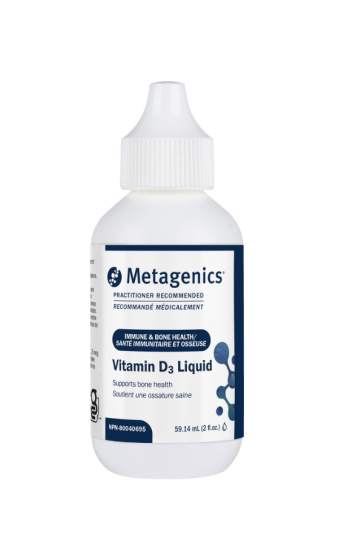
There isn't much controversy here, Vitamin D3 is hands down the best type of Vitamin D. Below is the Vitamin D that our family uses. I started using is when the kids were little because it was easier to administer and they liked the mint flavor of the drops. Even though my girls are in high school we still use these drops. Each drop contains 1,000 IU so it is very easy to modify the dose. Each bottle contains about 2,275,000 IU of Vitamin D and if you are taking 4,000 IU daily it will last you over 500 days and costs about $30.
(These are often enriched with vitamin D2 or D3)

Every year, as temperatures drop and days grow shorter, cold and flu season hits — and suddenly it feels like everyone is sniffling, coughing, or fighting off some kind of bug. But winter itself isn’t making you sick; instead, it creates the perfect conditions for viruses to spread and for your immune defenses to weaken. Here’s a closer look at why illness spikes during the colder months.
Winter air is both cold and dry, and that combination helps respiratory viruses survive longer outside the body.
Influenza, RSV, and many cold viruses spread much more efficiently when humidity drops.
Winter pushes people into closed, poorly ventilated indoor spaces, and that dramatically increases the chance of transmission.
Schools, offices, gyms, and holiday gatherings become hotspots for respiratory illnesses.
Sunlight is our best natural source of vitamin D, a nutrient essential for healthy immune function.
In winter:
Low vitamin D has been linked to increased risk of respiratory infections, slower immune response, and more inflammation.
Breathing in cold air affects the respiratory system directly:
This makes it easier for viruses to take hold and spread.
Winter often brings:
Stress hormones such as cortisol can suppress immune responses, leaving the body more vulnerable to infections.
Some viruses themselves have seasonal behavior:
These pathogens are biologically better suited to colder seasons.
The small lifestyle changes that come with winter also contribute:
All of these can subtly reduce immune resilience.
You can’t change the season, but you can support your health:
We get sick more in the winter not because cold weather causes illness, but because it creates an environment where viruses thrive and our immune defenses naturally weaken. By understanding these factors, you can take small, strategic steps to stay healthier all season long.
Yoga is a powerful practice for reducing stress and supporting immune health. Through mindful movement, controlled breathing, and meditation, yoga activates the body’s relaxation response—lowering cortisol levels and calming the nervous system. This stress reduction not only promotes mental clarity and emotional balance but also strengthens immune function by reducing inflammation and enhancing circulation. Regular yoga practice helps the body maintain equilibrium, making it more resilient to illness and better equipped to handle daily stressors.
Here are 3 simple yoga routines that you can do at home to help relieve stress and improve immune function.
NAD+ (nicotinamide adenine dinucleotide) is essential for energy metabolism and many cellular reactions. Its role in biology has made NAD+ supplements, nicotinamide riboside (NR), nicotinamide mononucleotide (NMN) and intravenous NAD+ popular in “anti-aging” marketing. The science is interesting—but human research has not shown that these products reverse aging or extend life.
NAD+ is a molecule present in every cell. It helps transfer energy during metabolism and participates in pathways involving DNA repair, cell signaling and stress responses. Vitamin B3 compounds are used by the body to make NAD+.
NAD+ biology changes with age and disease, but the often-repeated claim that everyone loses a fixed percentage by middle age is too simple. Levels differ by tissue, health status and how they are measured. Raising a blood biomarker also does not necessarily mean that a person will feel better, avoid disease or live longer.
Oral NR and NMN can raise some NAD-related metabolites in blood or cells, and short studies have generally found them reasonably well tolerated. That demonstrates a biological effect, but it is not the same as a meaningful clinical benefit.
Across human trials, results for muscle function, energy, insulin sensitivity, vascular health and other “healthspan” outcomes have been mixed, small or absent. Studies are often short and include relatively few participants. A recent systematic review concluded that the clinical effectiveness of NAD+-boosting products for anti-aging and wellness remains inconclusive.
Intravenous NAD+ is marketed by some wellness clinics for energy, cognition, recovery and longevity. However, the same systematic review found no eligible outcomes trials of IV or intramuscular NAD+ itself for anti-aging or wellness. In other words, there is not yet good clinical evidence that IV NAD+ delivers the benefits commonly advertised.
Intravenous treatment also adds risks that oral products do not, including infection, contamination, dosing errors and infusion reactions. The U.S. Food and Drug Administration has specifically reminded compounders not to use food-grade NAD+ ingredients in sterile injectable products.
Short-term studies of oral NR and NMN have generally reported acceptable tolerability, but long-term safety data are limited. Supplements can vary in purity and dose, and they may not be appropriate for every person. Anyone who is pregnant, has a serious health condition, is undergoing cancer treatment or takes multiple medications should speak with a physician or pharmacist before using an NAD+-related product.
For most people, the strongest evidence still supports regular physical activity, adequate sleep, a nutrient-rich dietary pattern, maintaining healthy blood pressure and blood sugar, avoiding tobacco, limiting alcohol and staying socially and mentally engaged. These habits are less novel than an infusion or supplement, but they have much stronger evidence for improving health and function over time.
NAD+ is important biology, but it is not a proven “fountain of youth.” Oral NR and NMN can change NAD-related biomarkers, yet convincing evidence that they slow human aging or prevent age-related disease is still lacking. IV NAD+ has even less outcomes evidence. Treat anti-aging claims cautiously and discuss supplements or infusions with a qualified health professional before spending money or changing care.

In today’s fast-paced world, many people struggle with feeling constantly drained, stressed, and unable to bounce back—even after rest. While “adrenal fatigue” isn’t a formal medical diagnosis, it’s a term commonly used to describe a set of symptoms linked to prolonged stress and the overuse of the adrenal glands.
Your adrenal glands sit on top of your kidneys and are responsible for producing hormones such as cortisol, DHEA, and adrenaline—chemicals that regulate your stress response, energy, metabolism, and more.
When you’re under chronic stress, your adrenals may become overworked. Over time, this can lead to:
Although mainstream medicine may not officially recognize “adrenal fatigue,” many practitioners see these symptoms as signs that the body’s stress-response system is out of balance.
Metagenics Adrenogen is a dietary supplement designed to support adrenal health and hormone balance. It combines targeted nutrients and botanicals that nourish the adrenal glands and promote resilience during stressful times.
Key ingredients include:
If you’re experiencing ongoing fatigue, difficulty managing stress, or low energy despite adequate rest, your adrenal health may need support. Metagenics Adrenogen offers a targeted blend of nutrients designed to nourish your adrenal glands and help restore balance. In addition, including adaptogens in your diet can help with symptoms of adrenal fatigue.
As with any supplement, it’s best to work with a qualified healthcare provider to determine if adrenal support is right for you and to rule out other possible causes of fatigue.