

Magnesium is one of the most important minerals in the body, yet many people don’t get enough of it. Among the different forms available, magnesium glycinate stands out for its superior absorption and gentle effect on the stomach. Here are a few key benefits:
Magnesium glycinate has a calming effect on the nervous system. By supporting healthy levels of GABA—a neurotransmitter that promotes relaxation—it can help improve sleep quality and make it easier to fall asleep naturally.
Because it helps regulate the body’s stress-response system, magnesium glycinate may ease feelings of anxiety and promote a sense of calm. Its gentle effect makes it a good option for long-term use.
Magnesium plays a critical role in muscle function. Taking it in glycinate form may reduce muscle cramps, tension, and post-exercise soreness while supporting overall muscle recovery.
Unlike some other forms of magnesium, magnesium glycinate is much less likely to cause digestive upset or loose stools, making it a well-tolerated choice for daily supplementation.
Magnesium contributes to healthy blood pressure, stable heart rhythm, and bone strength. Since magnesium glycinate absorbs efficiently, it ensures you’re actually getting the benefits from your supplement.
Bottom line: Magnesium glycinate is a highly absorbable, gentle form of magnesium that supports sleep, stress management, muscle recovery, and overall wellness. It’s a simple addition to your routine that can make a noticeable difference in how you feel.

For decades, the advice was clear: “Always finish your antibiotics, even if you feel better.” It was printed on pill bottles, echoed by doctors, and reinforced by public health campaigns around the world.
But today, that advice is being re-examined by infectious disease experts — and not because antibiotics have changed, but because our understanding of them has.
So here’s the truth:
In many cases, you don’t need to finish the full course of antibiotics — and doing so might even do more harm than good.
Let’s unpack why that is, and what patients should actually do.
The “finish your antibiotics” message was designed to:
At first glance, it makes sense: stop too soon, and you might leave behind the stronger bacteria that can mutate and become resistant.
But the problem? That’s not how antibiotic resistance usually works.
Recent studies — including randomized trials — show that for many common infections, shorter courses of antibiotics are just as effective as longer ones, and cause fewer side effects.
Examples:
Researchers found that prolonging treatment beyond what’s necessary doesn’t lower relapse risk — it just increases the chances of side effects and antibiotic resistance.
A 2017 editorial in The BMJ put it bluntly:
“The idea that stopping antibiotic treatment early encourages resistance is not supported by evidence, while taking antibiotics for longer than necessary increases the risk of resistance.”
— The BMJ, July 2017
Not on your own.
This is the crucial point: you shouldn’t decide to stop antibiotics early without medical advice.
Some infections still require longer, strict antibiotic treatment to avoid serious complications:
In these cases, incomplete treatment could mean treatment failure or relapse — with potentially life-threatening consequences.
The old mantra — “Always finish your antibiotics” — was well-intentioned but oversimplified. Today, medicine is shifting toward right drug, right dose, shortest effective duration.
So next time you get antibiotics, don’t be afraid to ask your doctor:
“How long do I really need this for?”
The best course might not be the longest — it might be just enough.

In recent years, researchers have been investigating whether consumption of energy drinks is more than just a matter of physical health (heart rate, sleep, etc.) — could it also be contributing to mental health struggles, including suicidal thoughts and behaviors? The evidence to date suggests there may be important links, especially among adolescents. But causality is not settled, and many questions remain.
Here are several findings from studies in different populations that suggest a possible connection:
| Study / Population | Key Findings |
| Systematic review & meta‑analysis (global studies) | Found that energy drink consumption — even as low as one drink/month — was associated with higher risk of suicidal ideation (thinking about suicide) and attempts. Coffee consumption, by contrast, was associated with lower risk when high. (PubMed) |
| Korean adolescents | Those drinking energy drinks more than once daily had higher rates of suicidal ideation and attempts compared to those drinking 1‑2 or 3‑6 times weekly. (PubMed) |
| Korean youth behavior survey (depression & ideation) | Youth consuming energy drinks 3+ times per week had significantly higher odds of depressive mood and suicidal ideation. (SAGE Journals) |
| Energy drinks + sleep, stress, junk food among Korean teens | More frequent intake (≥ 5 times per week) was strongly associated with sleep dissatisfaction, high stress, depressive mood, and much higher odds of suicide ideation / planning / attempt. For example, adolescents consuming energy drinks 5+ days/week had ~7× the risk of suicide attempt compared to those consuming less than once/week. (PMC) |
| U.S. Army study | Among soldiers, those who used energy drinks in combination with alcohol daily (vs. none) were over three times more likely to report suicidal ideation or attempts. Even controlling for alcohol alone and energy drink usage alone, the combination was a risk factor. (Health Care Policy) |
These associations don’t automatically prove that energy drinks cause suicidal behavior. But several plausible mechanisms and contributing factors have been suggested:
While the associations are concerning, there are many gaps or reasons for caution:
Given the evidence, there are a number of implications and possible actions to consider:
There’s growing evidence suggesting a meaningful association between energy drink consumption — particularly frequent intake — and higher risk of suicidal thoughts and attempts, especially among adolescents. While the evidence is not yet definitive enough to say energy drinks cause suicide risk, their use seems to exacerbate other risk factors (poor sleep, mood disturbance, unhealthy behavior patterns).
Given the potential seriousness, it seems prudent for individuals, families, healthcare providers, schools, and policymakers to take notice, monitor energy drink consumption, and consider reducing exposure — especially among young people.

When most people hear the term athletic trainer, they picture someone running onto the field with a roll of tape and a water bottle, or maybe someone helping stretch out a cramped muscle. While those things can be part of the job, they barely scratch the surface.
So, let’s set the record straight: athletic trainers (ATs) are highly educated, certified and licensed healthcare professionals who specialize in the prevention, diagnosis, treatment, and rehabilitation of injuries — especially those related to physical activity and sport.
Athletic trainers are often the first responders when an athlete goes down. Whether it’s a sprained ankle, a dislocated shoulder, or a suspected concussion, the AT is the one making the call — and sometimes saving a life.
They're trained in emergency care, CPR, and the assessment of both acute and chronic injuries. In high-stakes environments like football games, this fast, accurate response is critical.
The best injury is the one that doesn’t happen. Athletic trainers spend a huge amount of time working to prevent injuries before they occur. This includes:
When an athlete or patient is injured, the AT creates and monitors a personalized rehab plan. They work closely with physical therapists, physicians, and strength coaches to ensure recovery is safe, efficient, and complete.
From the moment of injury to full return-to-play, athletic trainers guide athletes or patients every step of the way. This includes:
Concussions are a growing concern in sports. Athletic trainers are trained in proper concussion protocols, sideline assessments, return-to-play guidelines, and working with medical teams to protect brain health.
While many athletic trainers work in high school and college athletics, their skills are also essential in:
Anywhere people move — and risk injury — you’ll find an athletic trainer.
Let’s clear up a common misconception: athletic trainers are not personal trainers. The titles sound similar, but the education, certification, and job functions are very different.
Athletic trainers must earn a degree from an accredited athletic training program (often at the master’s level), pass a national board exam, and maintain certification through continuing education. They are recognized by the American Medical Association as healthcare providers.

In today’s evolving healthcare landscape, people are moving beyond symptom-based treatments and embracing a more comprehensive, whole-body approach to wellness. This shift has given rise to multidisciplinary care—where professionals from various health disciplines collaborate to support a patient’s overall well-being. One often-overlooked but highly effective component of this team-based model is chiropractic care.
So, how does chiropractic fit into a multidisciplinary approach to health—and why should it?
Multidisciplinary care involves a team of healthcare professionals—such as physicians, physical therapists, nutritionists, mental health providers, and chiropractors—working together to develop a coordinated treatment plan. The goal is to address the physical, emotional, and lifestyle factors that contribute to a person’s health, rather than just treating isolated symptoms.
This model is particularly beneficial for patients with complex conditions, chronic pain, or lifestyle-related issues. It fosters communication among providers and empowers patients to take a more active role in their wellness journey.
Chiropractic care focuses on the alignment of the spine and musculoskeletal system. But its benefits go far beyond back pain relief. Chiropractors emphasize the connection between the spine, nervous system, and overall body function. This makes chiropractic a valuable player in holistic care.
Here’s how chiropractic integrates seamlessly with other health disciplines:
Chiropractors and physical therapists often work together to manage pain—especially for conditions like sciatica, herniated discs, or sports injuries. While physical therapists focus on muscle strengthening and movement rehabilitation, chiropractors can assist with spinal alignment and nerve function, helping restore mobility and reduce inflammation more efficiently.
Collaboration Example:
A patient recovering from a car accident may receive chiropractic adjustments to correct spinal misalignments while attending physical therapy sessions to regain strength and mobility.
Chronic stress and anxiety can manifest physically—tight muscles, poor posture, and tension headaches are common examples. Chiropractic care helps alleviate physical tension and supports nervous system regulation, which may contribute to lower cortisol levels and a calmer mental state.
Complementary Role:
In partnership with mental health professionals, chiropractors can provide physical relief that complements therapy and stress management techniques.
Some chiropractors offer nutrition guidance and lifestyle recommendations as part of their care plans. When combined with the expertise of dietitians or functional medicine doctors, chiropractic adjustments can support detoxification, metabolism, and energy flow—enhancing the effects of dietary changes and exercise.
More families are turning to chiropractic care as a preventive tool, not just for injury or pain. Pediatric chiropractic care, for example, may support growing spines, posture development, and immune function. Older adults may benefit from gentle adjustments to help with balance, joint stiffness, and fall prevention.
When included in a primary care team, chiropractors can spot early signs of postural or musculoskeletal issues and refer patients to other specialists when necessary.
The success of multidisciplinary care hinges on effective communication between providers. Many chiropractic offices today are embracing this model by coordinating care plans with MDs, orthopedists, massage therapists, and others to ensure treatment is aligned, safe, and effective.
When providers are aligned, patients receive a seamless care experience—one that’s less fragmented and more empowering.
Incorporating chiropractic care into a multidisciplinary approach isn’t just about spinal adjustments—it’s about promoting balance, nervous system health, and optimal function throughout the body. When chiropractors collaborate with other health professionals, patients benefit from a well-rounded, proactive, and personalized approach to care.
Whether you're managing chronic pain, recovering from injury, or simply striving for better overall wellness, consider how chiropractic can be part of your healthcare team. It may just be the missing link in your journey toward lasting, holistic health.
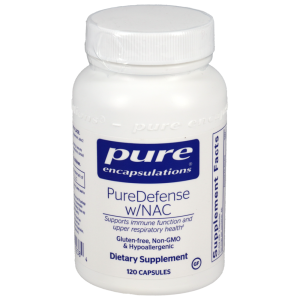
Natural killer cells are part of the body’s innate, or first-line, immune response.
They respond more quickly than the adaptive immune system comprised of B cells and T cells. Once activated, natural killer cell activity peaks in as quickly as several hours, providing rapid support and wide-range immune defense. EpiCor® is a fermentate of Saccharomyces cerevisiae containing various bioactive metabolites. These nutrient metabolites are produced in a specialized fermentation process and enhance immune cell production.
In one cellular study, EpiCor® promoted natural killer cell activation, as well as that of B cells and T cells. In two randomized, double blind, placebo-controlled trials, EpiCor® provided statistically significant support for upper respiratory tract health and overall immune health. .

Preventive health has come a long way from routine check-ups and blood tests. One tool gaining popularity among people who want a deeper look into their health is the full-body MRI scan. Unlike traditional medical imaging, which usually focuses on a specific symptom or region, a full-body MRI gives a comprehensive view of internal organs, tissues, and systems—all without radiation exposure. While it may not be necessary for everyone, it can offer significant benefits for prevention and early detection.
Many serious conditions—such as cancer, aneurysms, or liver disease—often develop quietly with no noticeable symptoms until they are advanced. A full-body MRI can detect abnormalities at an early stage, giving patients a head start on treatment when interventions are most effective.
Unlike CT scans or X-rays, MRI uses magnetic fields and radio waves instead of ionizing radiation. This makes it a safer option for those concerned about repeated radiation exposure, especially if they are considering imaging for preventive purposes.
A full-body MRI can provide detailed images of the brain, spine, chest, abdomen, pelvis, and even joints. This wide coverage means that a single scan can evaluate multiple organ systems at once, offering a holistic picture of health.
For those with a family history of cancer, cardiovascular disease, or genetic conditions, a full-body MRI can act as an additional layer of prevention. While it doesn’t replace other screenings (such as colonoscopies or mammograms), it can help uncover hidden risks.
With increasing emphasis on preventive healthcare, many people are taking charge of their wellness earlier. A full-body MRI can provide a baseline health snapshot that physicians and patients can track over time, making it easier to spot changes or developing risks.
Detecting issues before symptoms appear allows for less invasive treatments, improved survival rates, and reduced healthcare costs in the long run. Prevention is almost always less stressful—physically, emotionally, and financially—than treatment after a disease has progressed.
Proscan Imaging has started offering full body MRI scans along with a variety of preventative screens.
Full-body MRIs are not without drawbacks. They can be expensive, often not covered by insurance, and may lead to incidental findings that require further testing—even if they turn out to be harmless. For this reason, they are most useful when guided by a physician and tailored to personal risk factors.
A full-body MRI isn’t a magic bullet, but it’s a powerful tool in the growing field of preventive medicine. By detecting silent diseases early, offering radiation-free imaging, and giving a comprehensive health overview, it empowers individuals to be proactive rather than reactive about their health.

You’re sound asleep when suddenly—bam! A searing pain jolts you awake. Your calf feels like it’s being twisted in a vice. Welcome to the world of nighttime muscle cramps, also known as nocturnal leg cramps. If this sounds familiar, you’re not alone.
These involuntary muscle contractions can be incredibly painful and disruptive, especially when they come out of nowhere. But what causes them, and more importantly—what can you do to prevent them?
Nighttime cramps are sudden, intense muscle spasms, most commonly occurring in the calves, feet, or thighs, while you're resting or sleeping. They can last anywhere from a few seconds to several minutes and often leave the muscle sore for hours afterward.
While the exact cause isn’t always clear, several factors can contribute to nighttime cramps:

If you’ve ever walked into a chiropractic clinic and heard terms like dry needling or acupuncture, you might wonder—aren’t they the same thing? After all, both involve thin needles inserted into the body. But in reality, they’re two distinct techniques with very different purposes, philosophies, and methods—even when administered by the same healthcare provider, like a chiropractor.
Let’s break down what dry needling is, how it’s used in chiropractic care, and how it differs from acupuncture, especially when both are offered in the same clinical setting.
Dry needling is a modern, evidence-based technique used by chiropractors and other healthcare professionals to treat muscle pain and dysfunction. It involves inserting thin, solid needles into myofascial trigger points—tight or “knotted” areas in the muscle that can cause pain, stiffness, and limited movement.
The term “dry” refers to the fact that no medication is injected into the body; the needle itself is the therapeutic tool.
What Conditions Does Dry Needling Help?
Chiropractors often use dry needling to treat:
The technique can be especially effective when used in conjunction with chiropractic adjustments, soft tissue therapy, and rehabilitative exercise.
When a chiropractor inserts a needle into a trigger point, it may produce a local twitch response—a brief, involuntary muscle contraction. This reaction helps to:
While it may feel similar to a deep muscle ache or cramp during treatment, most patients report feeling better shortly after, with some soreness lasting a day or two.
While both treatments are powerful on their own, combining Spinal Manipulation and Dry Needling creates a "top-down and bottom-up" approach to healing that often yields faster, more sustainable results than either therapy used in isolation.
Think of it as a comprehensive reboot for your body’s hardware and software.
Pain is rarely just a joint issue or just a muscle issue; they are functionally linked.
Acupuncture is a traditional Chinese medicine (TCM) technique that’s been practiced for over 2,000 years. It involves inserting needles into specific points along the body’s meridians—pathways through which life energy, or Qi (pronounced “chee”), is believed to flow.
The primary goal of acupuncture is to restore balance to the body’s energy systems, support overall wellness, and promote healing from a variety of physical and emotional conditions.
Dry Needling vs. Acupuncture: Key Differences
Here’s a side-by-side comparison to help clarify the differences:
| Feature | Dry Needling | Acupuncture |
| Philosophy | Based on Western medicine and musculoskeletal anatomy | Based on Traditional Chinese Medicine (TCM) |
| Goal | Release muscle trigger points and relieve musculoskeletal pain | Restore energy balance and promote holistic healing |
| Needle Insertion | Into tight muscles or trigger points | Into specific meridian points |
| Conditions Treated | Muscle pain, tightness, sports injuries | Broader range including emotional and internal health issues |
| Response | Local twitch response common | Gentle, calming effect common |
| Training for Chiropractors | Typically part of continuing education in physical medicine | Requires separate board certification in acupuncture |
Both techniques can be effective—but they serve different purposes. Your chiropractor may use one or both depending on your needs, health goals, and response to treatment.
Which Treatment Is Right for You?
If you're dealing with tight muscles, joint pain, or mobility issues, your chiropractor might recommend dry needling to address the root cause within the musculoskeletal system.
On the other hand, if you're seeking support for stress, sleep, digestion, or whole-body balance, chiropractic acupuncture may be a better fit.
The best way to determine which approach is right for you? Talk to your chiropractor. At our clinic, we’ll assess your symptoms, review your medical history, and develop a personalized treatment plan that may include dry needling, acupuncture, or a combination of therapies.
Final Thoughts
While dry needling and acupuncture may look similar on the surface, they are distinct practices that offer different benefits. When performed by a trained chiropractor, both techniques can complement spinal adjustments and other therapies to help you move better, feel better, and live healthier.
Whether you're managing chronic pain or simply looking to improve overall wellness, ask your chiropractor how these needling techniques might fit into your care plan.
When it comes to preparing your body for exercise, not all stretching is created equal. While static stretching (holding a stretch for a prolonged time) has its place, dynamic stretching—moving your muscles and joints through a full range of motion—offers unique benefits, especially before a workout.
Dynamic stretching involves active movements that gently take your muscles and joints through motions similar to the activity you’re about to perform. Think of leg swings, walking lunges, or arm circles. Unlike static stretching, you don’t hold the stretch; instead, you move in a controlled way to increase blood flow and mobility.
Dynamic stretching wakes up your muscles by increasing circulation and improving oxygen delivery. This helps your body transition smoothly from rest to movement.
Research shows that warming up with dynamic movements can improve strength, speed, and agility compared to static stretching. It primes your body for explosive movements, making it especially beneficial for athletes.
Regularly practicing dynamic stretches helps maintain joint mobility and functional flexibility—important not just for workouts but for everyday movement.
By activating the muscles you’ll use in your workout, dynamic stretching helps prevent strains and pulls. It “teaches” your body how to move safely under load. Also, many of us have tight hips from sitting which will put more strain on the lower back while running if we are not stretched.
Dynamic stretching isn’t just physical—it also helps you mentally prepare. The controlled, sport-specific movements allow you to focus, build rhythm, and get into the right mindset for exercise.
Dynamic stretching is one of the simplest yet most effective ways to get your body ready for movement. Whether you’re lifting weights, running, or playing a sport, adding just 5–10 minutes of dynamic stretches to your warm-up can boost performance, prevent injury, and make your workout more effective.