

Researchers at the University of Exeter conducted the largest study of its kind to investigate how nitrate-rich beetroot juice impacts blood pressure, especially in older adults (News). The findings were published in Free Radical Biology and Medicine and funded by a BBSRC Industrial Partnership Award (News).
Researchers propose that age-related changes in the oral microbiome affect how well the body converts dietary nitrate into nitric oxide (NO)—a molecule that dilates blood vessels and helps regulate blood pressure. In older individuals, nitrate-rich beet juice appears to restore microbial balance, enhancing NO production and thus supporting cardiovascular health (New York Post, News, News-Medical).
Professor Anni Vanhatalo highlighted the importance of promoting nitrate-rich diets—especially as older people naturally produce less nitric oxide with age. She also suggested alternatives for those who aren’t fond of beetroot, such as spinach, rocket (arugula), fennel, celery, and kale (News, LBC).
Professor Andy Jones noted that this work opens doors for future, larger studies investigating how factors like biological sex and lifestyle influence response to dietary nitrates (News, New York Post).
This innovative study from the University of Exeter sheds light on how the oral microbiome contributes to blood pressure regulation—and why nitrate-rich beetroot juice may uniquely benefit older adults. By helping re-balance beneficial bacteria and boosting nitric oxide production, beet juice emerged as a promising dietary strategy for cardiovascular health in aging populations.
That said, while results are promising, they stem from one relatively small trial. Larger, long-term studies are still needed to confirm efficacy and establish guidelines.
In addition to beet juice, reducing your toxic load by doing a cleanse can also help lower your blood pressure. Learn more about detoxifying here.
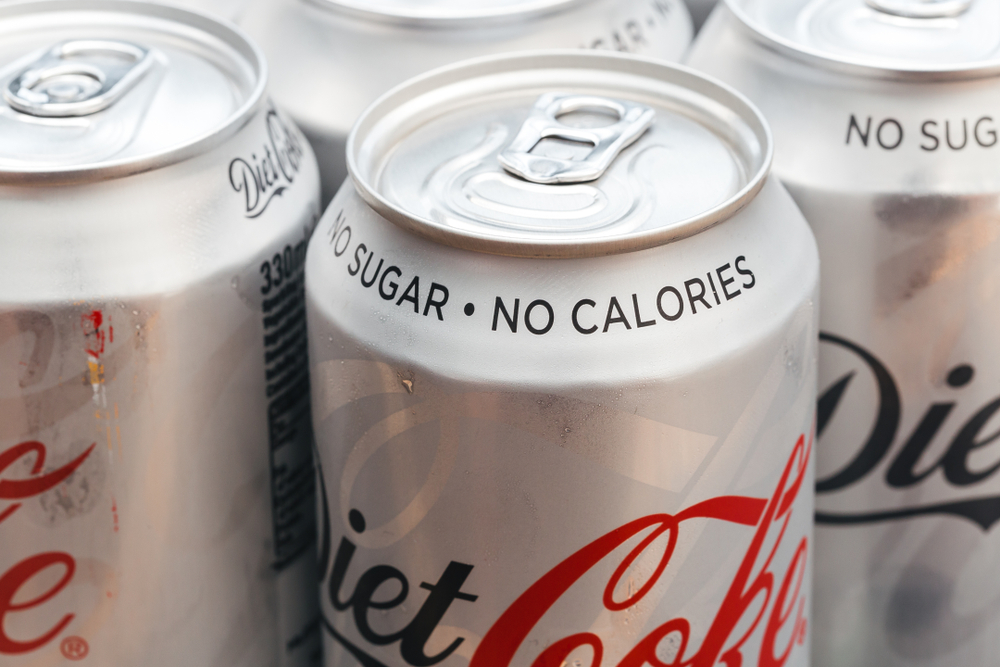
The CARDIA study has followed thousands of young adults since the 1980s to track how their habits—like diet and exercise—affect long-term health. One major finding? A possible link between diet soda and type 2 diabetes.
🔗 Learn more about the study here:
Wikipedia - CARDIA
People who drank a lot of diet soda, especially those sweetened with saccharin, were more than twice as likely to develop diabetes as those who drank very little or none.
👉 Key Point: Heavy diet soda drinkers had a 2x higher risk of developing type 2 diabetes.
🔗 Medscape article on the findings
Scientists aren’t 100% sure, but there are some good guesses:
🔗 American Journal of Clinical Nutrition study summary
Saccharin had the strongest connection to diabetes. Sweeteners like aspartame and sucralose didn’t show as strong a link after adjusting for things like body weight.
Not necessarily, but here’s what experts suggest:
🔗 Real Simple: What experts say about diet soda
Just because it has no sugar or calories doesn't mean diet soda is harmless. The CARDIA study found people who drank more diet soda (especially with saccharin) had a higher risk of diabetes.
So if you're reaching for your fourth can of diet soda today... maybe grab some water instead. 😉
🔗 EatingWell summary: Diet Sodas and Diabetes
🔗 Verywell Health: 5 Risks of Drinking Diet Soda
🔗 Time Magazine: What Experts Really Think About Diet Soda

A groundbreaking randomized crossover trial published in the July 2025 issue of The American Journal of Clinical Nutrition clearly distinguishes the effects of dietary cholesterol (like that found in eggs) from saturated fat when it comes to LDL ("bad") cholesterol levels (Health, PubMed).
Although eggs are naturally rich in dietary cholesterol (≈200 mg per large egg), they contain very little saturated fat (~1.6 g), which is what truly influences blood LDL levels (Health). Dietary cholesterol behaves differently than endogenous cholesterol; when you consume more, your liver compensates by producing less (Health).
Decades of nutritional research—including this new study—point to saturated fats (from bacon, sausage, butter, full‑fat dairy, etc.) as the primary dietary driver of elevated LDL and increased cardiovascular risk (en.wikipedia.org, ScienceDaily, Health).
The study reveals that eating two eggs per day within a low-saturated-fat diet can lower LDL cholesterol compared to a high-saturated-fat diet—even if that diet is otherwise high in cholesterol (ScienceAlert). However, the shift toward more small, dense LDL particles merits further study before broad public health recommendations can shift (PubMed).
| Dietary Component | Effect on LDL Cholesterol |
|---|---|
| Saturated Fat | Raises LDL significantly |
| Dietary Cholesterol (eggs) | No significant increase; may lower LDL when saturated fat is low |
| Egg Inclusion (2/day, low sat fat diet) | Lowers LDL; shifts toward smaller, denser LDL particles |
| Egg Consumption with high saturated fat (with bacon/sausage) | LDL rises, similar to other high-fat foods |
Watch this video of a Harvard Medical Student that ate 720 eggs in a month and the affects it had on his cholesterol levels.
This influential July 2025 study published in The American Journal of Clinical Nutrition demonstrates that saturated fat, not the cholesterol in eggs, drives increases in LDL cholesterol. In fact, up to two eggs daily within a low-saturated-fat diet may modestly reduce LDL levels. The longstanding vilification of eggs appears outdated. The real dietary villain remains saturated fat-rich foods like bacon, sausage, and butter.
For most healthy individuals, eggs can indeed be part of a heart-friendly diet—but only when saturated fat intake is kept in check.

Temporomandibular joint disorder (TMJ or TMD) is a condition that affects the jaw joint and surrounding muscles, often causing pain, discomfort, and restricted jaw movement. From difficulty chewing to chronic headaches and neck tension, TMD can significantly affect daily life. Fortunately, one lesser-known but increasingly effective treatment is gaining attention: dry needling.
In this article, we’ll explore how dry needling can help manage TMJ/TMD symptoms, how it works, and what to expect from treatment.
TMJ refers to the temporomandibular joints, the hinges connecting your jaw to your skull. TMD encompasses a range of disorders involving these joints, often characterized by:
TMD can be caused by stress, teeth grinding (bruxism), misalignment, arthritis, or even trauma to the jaw.
Dry needling is a technique performed by trained physical therapists or healthcare professionals where thin, sterile needles are inserted into myofascial trigger points—tight knots in muscles that refer pain to other areas. Unlike acupuncture, which is rooted in traditional Chinese medicine, dry needling is based on Western anatomical and neurological science.
The goal is to release muscle tension, reduce pain, and improve mobility by stimulating these trigger points and promoting natural healing.
For people with TMD, muscular dysfunction is often a major component of their pain—especially in the masseter, temporalis, pterygoid, and sternocleidomastoid muscles. These muscles can become tight or develop trigger points due to stress, jaw clenching, or poor posture.

Trigger points in the jaw and neck muscles can limit jaw movement and cause referred pain. Dry needling stimulates a twitch response, relaxing the muscle and restoring function.
Needling helps improve blood flow and reduce chemical irritants in the muscle tissue, decreasing inflammation and pain over time.
By releasing tension and improving muscle function, patients often experience increased range of motion in the jaw and less resistance during speaking or chewing.
Dry needling is often used alongside other treatments like manual therapy, posture correction, exercises, and stress management for a comprehensive approach.
A dry needling session for TMJ/TMD typically involves:
Most patients require multiple sessions, and results vary depending on the severity and duration of symptoms.
Yes—when performed by a certified and experienced practitioner, dry needling is safe and well-tolerated. Side effects are typically mild and may include temporary soreness, bruising, or fatigue.
If you suffer from chronic jaw pain, muscle tightness, or limited jaw mobility due to TMD, dry needling may be a valuable tool in your treatment plan. It’s especially effective for those whose symptoms are muscle-related or exacerbated by stress and clenching.
Before beginning treatment, consult with your healthcare provider or a licensed physical therapist trained in dry needling to determine if it's appropriate for your condition.
TMJ/TMD can be a frustrating and painful condition, but you don’t have to live with the discomfort. Dry needling offers a targeted, evidence-based approach to relieve muscle tension, reduce pain, and restore jaw function. When combined with other therapies, it can help you get back to living—and smiling—comfortably again.
Interested in trying dry needling for TMJ/TMD? Contact Compass to book a consultation with one of our trained doctors/athletic trainers and learn how we can help you find relief.
Can probiotics help with depression or anxiety? Researchers are studying the gut–brain connection, and some clinical trials report small improvements in mood-related symptoms. However, the evidence is still developing, results vary among studies, and probiotics are not an established replacement for psychotherapy, medication, or other care recommended by a qualified mental-health professional.
The most accurate takeaway is that certain probiotic strains may eventually prove useful as an adjunct for some people—not that any probiotic supplement will treat depression or anxiety.
The gut–brain axis is the two-way communication network connecting the digestive system and brain. Communication occurs through nerves, hormones, immune activity, and substances produced by microorganisms in the digestive tract.
This makes the gut microbiome an important research subject. Scientists are investigating whether changing the microbiome could influence inflammation, stress responses, sleep, and mood. These biological connections are plausible, but a plausible mechanism does not by itself prove that a supplement improves a mental-health condition.
Systematic reviews and meta-analyses have reached cautiously encouraging—but not definitive—conclusions. A 2024 meta-analysis of 12 randomized controlled trials involving 707 participants reported improvements on some depression measures with certain probiotic strains. The authors also emphasized that probiotic effects appear to be strain-specific.
Earlier reviews found mixed results. In one systematic review, only half of the included studies reported reduced depression symptoms, and relatively few reported an anxiety benefit. Differences in the people studied, probiotic strains, doses, study length, and measurement tools make it difficult to apply a single conclusion to every product or patient.
The National Center for Complementary and Integrative Health notes that probiotic formulations can have different effects and that strong evidence supporting many probiotic uses is still lacking. In practical terms, promising research on one strain or combination does not validate every supplement labeled “probiotic.”
A probiotic is identified by its genus, species, and strain. Two products that list the same broad bacterial group may not produce the same effect. Research has examined strains from groups such as Lactobacillus and Bifidobacterium, but there is not yet a universally recommended strain, dose, or treatment duration for depression or anxiety.
When evaluating a supplement, compare the exact strains and amounts on its label with those used in human clinical trials. Avoid assuming that a high colony-forming unit count or a long ingredient list automatically makes a product more effective.
Many healthy adults tolerate probiotics, although gas, bloating, or digestive changes can occur. Long-term safety data are limited, and risk can be greater for people who are seriously ill or have a weakened immune system. Product quality also varies because many probiotics are sold as dietary supplements rather than approved medications.
Before using a probiotic supplement, talk with your physician, pharmacist, registered dietitian, or mental-health clinician—especially if you are pregnant, immunocompromised, managing a chronic illness, or taking medication. The NCCIH probiotic safety overview provides additional consumer guidance.
No. Do not stop or change prescribed medication, psychotherapy, or other mental-health treatment because of a supplement. If you want to try a probiotic, discuss it as a possible complementary step with the clinician managing your care. They can help consider interactions, risks, the quality of the evidence, and how you will measure whether it is helping.
Seek professional help if depression, anxiety, panic, sleep disruption, or loss of interest is persistent or interferes with daily life. If you or someone you know is in immediate danger or experiencing thoughts of suicide, call 911 or contact the 988 Suicide & Crisis Lifeline by calling or texting 988 in the United States.
Rather than relying on one supplement, consider the broader habits that support overall health:
Research into probiotics for depression and anxiety is promising, but it is not strong enough to support broad treatment claims or a one-size-fits-all product recommendation. Benefits, if present, appear to depend on the exact strain, dose, population, and outcome being measured.
Use probiotics as a topic to discuss with your healthcare team—not as a reason to delay or replace proven mental-health treatment.
This article is for general education and is not a diagnosis or individualized medical or mental-health advice.
Pedal Power: How Cycling Can Help Prevent Dementia
When it comes to protecting brain health as we age, exercise isn’t just good for the body—it’s essential for the mind. Among various forms of physical activity, cycling has emerged as a powerful tool for reducing the risk of cognitive decline and dementia.
Cycling is an aerobic exercise that improves cardiovascular health, which is directly linked to brain function. Better blood flow means more oxygen and nutrients delivered to the brain, which supports neuroplasticity—the brain’s ability to grow new connections and adapt over time. According to a study published in Neurology, people who engaged in regular physical activity had a significantly lower risk of developing dementia, including Alzheimer's disease (Blondell et al., 2014).
Cycling has also been shown to promote the release of brain-derived neurotrophic factor (BDNF), a protein that plays a key role in memory, learning, and protecting against age-related brain changes. Low BDNF levels are associated with an increased risk of neurodegenerative diseases (Huang et al., 2014).
Beyond the physical benefits, cycling also engages the brain mentally. Navigating roads or trails, maintaining balance, and responding to environmental cues all require cognitive attention. These activities stimulate regions of the brain involved in executive function and spatial awareness—areas that are often affected early in dementia.
Cycling is also a powerful mood enhancer. It reduces stress and anxiety, boosts endorphins, and improves sleep quality. Poor sleep and chronic stress are both known risk factors for cognitive decline and dementia (Livingston et al., 2020).
You don’t need to be a competitive cyclist to reap the benefits. Just 150 minutes of moderate aerobic activity per week—as recommended by the World Health Organization—can contribute significantly to brain health. That could mean 30 minutes of leisurely cycling five days a week.
Whether you're cruising through your neighborhood or biking to work, cycling offers more than just a workout for your legs—it’s a gift to your brain. Regular cycling supports better blood flow, increases neurotrophic factors, keeps the mind alert, and combats stress and sleep issues. Over time, these benefits can add up to a significant reduction in the risk of dementia.
So grab a helmet, hop on your bike, and enjoy the ride—your brain will thank you.
In recent years, alternative therapies have seen a resurgence in popularity as people look for holistic ways to manage chronic conditions and improve well-being. Among these is cupping therapy, a traditional technique rooted in ancient Chinese and Middle Eastern medicine. While cupping is widely known for relieving muscle tension and promoting circulation, many are now turning to it for a lesser-known benefit: easier breathing and respiratory support.
I had been getting cupping years and would always notice how much easier it was to breathe after a session and I started to think that it could be beneficial for patients who are training or completing in a race. I have used cupping with a number of my athletes that have an upcoming race and everyone patient has noticed an improved ease when breathing. Often times we don't realize that our breathing is labored until it improves and we can feel the difference. You don't need to be participating in an athletic event to experience the breathing benefits of cupping.
Cupping therapy involves placing special cups—typically made of glass, silicone, or plastic—on the skin to create suction. This suction draws the skin and underlying tissue upward, increasing blood flow and stimulating the lymphatic system.
The cups are usually placed on the back, shoulders, or chest—areas that directly affect the respiratory system.
While more scientific research is needed to fully validate cupping’s respiratory benefits, many practitioners and patients report relief from breathing difficulties, especially in conditions such as asthma, bronchitis, sinus congestion, and seasonal allergies. Here's how it may help:
Cupping increases circulation in the upper body and chest area. This boost in blood and lymph flow may help clear mucus buildup and reduce inflammation in the airways, making it easier to breathe.
Tightness in the chest and back muscles can make breathing feel labored. Cupping helps release tension in these muscles, especially the intercostals (the muscles between the ribs), allowing the chest to expand more freely. These muscles become short and tight when we sit in a flexed position like the one in the picture below which might look familiar 🙂 Check out our Improving your posture at your desk post.

By stimulating the lymphatic system, cupping may enhance the body’s ability to fight off infections. This is particularly helpful for people with chronic respiratory infections or seasonal colds.
Breathing problems are often worsened by stress and anxiety. Cupping has been shown to promote relaxation by stimulating the parasympathetic nervous system. A calmer nervous system can reduce hyperventilation, panic attacks, and shallow breathing patterns.
Many individuals with asthma or bronchitis find cupping helpful in reducing the frequency and severity of flare-ups. A 2015 study published in The Journal of Traditional and Complementary Medicine found that wet cupping helped reduce symptoms of chronic asthma when used alongside conventional treatment. Participants reported better airflow and less reliance on inhalers.
A trained practitioner will typically place cups on the upper back and chest, depending on your symptoms. The session usually lasts 10–20 minutes, and you may feel a pulling sensation as the suction begins. While the procedure is generally safe, you may notice round red or purple marks afterward—these are not bruises, but a result of the suction, and they usually fade within a few days.
While cupping is safe for many, it’s not suitable for everyone. People with the following conditions should consult a healthcare provider before trying cupping:
Cupping therapy may offer a supportive and natural way to improve breathing, especially for those dealing with chronic respiratory issues or stress-induced breathing difficulties. While it shouldn’t replace traditional medical care, especially in cases of severe asthma or lung disease, cupping can be a beneficial complement to your wellness routine.
If you’re curious about trying cupping for respiratory support let us know! Breathing easier might just be a few cups away.
So many people have or know someone with knees issues. You may be filling out paperwork at a doctor’s office and it asks if someone in your family has a similar issue. If you have a knee issue and you may have someone in your family who has knee arthritis or has had a knee replacement. You may be tempted to put down yes to the question. Many people think that knee issues are genetic because your mom or grandma has “bad knees”.
While some of this may be true, arthritis or ligament disorders can be genetic. What we need to look at is if that is truly the issue or is it an environmental and biomechanical issue. Before blaming genetics, we should look at what you are doing throughout the day that could be putting stress on the knees. The way you go to pick something up or kneel can put a lot of stress on the knees especially when done repetitively. You could also have muscle weaknesses that are decreasing the stability of your knee therefore putting more stress on the knee.
With all this said we shouldn’t always blame genetics and shouldn’t think it is something that you will just have to get used to or have surgery. Sometimes it is good to zoom out and look at what is going on around us. Unless you have a traumatic injury to your knee then it is typically something that has built up overtime. Meaning there is probably something that you can do or change to help yourself. A good place to start would be to schedule a visit with an Athletic Trainer, Chiropractor or Physical Therapist to get evaluated and see what might be causing the issue.
How to Boost Absorption of Turmeric for Maximum Benefits
Turmeric is widely celebrated for its powerful anti-inflammatory and antioxidant properties, largely due to its active compound, curcumin. However, one major challenge with turmeric is its poor bioavailability—meaning it’s hard for your body to absorb and use effectively. Fortunately, there are simple ways to dramatically boost turmeric’s absorption and unlock its full potential.
One of the easiest and most effective ways to increase turmeric absorption is to combine it with black pepper. Black pepper contains piperine, a natural substance that enhances the bioavailability of curcumin by up to 2,000%. Many high-quality turmeric supplements already include piperine for this reason.
Curcumin is fat-soluble, meaning it dissolves in fat. Taking turmeric with a meal that includes healthy fats—such as avocado, olive oil, or coconut oil—can help your body absorb it more efficiently. Golden milk (a turmeric drink made with full-fat milk or coconut milk) is a traditional and effective way to combine turmeric with fat.
Mild heating can enhance the solubility of curcumin, making it easier for the body to absorb. Cooking with turmeric—like in curries or soups—is not only delicious but also beneficial for absorption.
If you're taking turmeric as a supplement, look for formulations that use enhanced delivery systems like micelles, liposomes, or nanoparticle technology, which improve absorption. Some supplements use a patented version of curcumin, such as Meriva® or BCM-95®, which are clinically shown to have better bioavailability.
Turmeric is a potent natural remedy, but unlocking its full benefits depends on how you take it. Combining turmeric with black pepper, healthy fats, or heat—and choosing high-quality supplements—can significantly increase your body’s ability to absorb and utilize curcumin effectively.



I have been talking about SWTHZ for a while and I finally decided to take the plunge 🙂
When I first walked in I was surprised by how modern, clean and serene the space was. Although I was right off College ave just south of Broad Ripple I felt disconnected from the commotion just outside the door. The staff is very attentive and accommodating as they give you a tour of the facilities. Each individual suite contains an infrared sauna, cold plunge and vitamin C shower along with a TV and speakers that you can sync you phone to if you choose or you can play something on Youtube TV. Having the suite to yourself for an entire hour without being bothered was wonderful and actually one of the best parts of the experience. I was able to completely disconnect and focus on relaxing while experiencing the calming surroundings, which is rare in our world of constant stimulation.
I have done a lot of sauna-ing but this was my first experience in a infrared sauna. I found the heat felt less superficial and provided a deeper feeling of warmth when compared to a traditional sauna. The sauna was set at 140 which felt a little cooler than what I typically experienced in a traditional sauna, but after my session Benji asked if I wanted to add any requests to my file, e.g. having the sauna set at a higher temp when I arrived, which I opted for.
Benji suggested that I start with the sauna, then the vitamin C shower followed by the cold plunge. He said that 1 minute in the plunge was a great goal for the first day. Since it was miserably hot outside I decided to ignore Benji's advice and jump right into the cold plunge. I learned quickly that I'm not as tough as I thought as I barely lasted a minute during my first plunge. Next I sat in the sauna for 20 minutes followed by the Vitamin C shower and then the cold lunge. This time I lasted 5 mins but wasn't completely submerged. Again I did a round of sauna, Vitamin C shower and then cold plunge. This time I decided to submerge to my head and I was very ready to get out at the minute mark.
Typically after a trip to the sauna I would feel drained, but I left my first session at SWTHZ feeling lighter and more energetic than when I arrived. After my first session I was sold and decided to sign up for a package. Obviously I would highly recommend SWTHZ and I will be updating the blog as I continue to experience the benefits.



Contrast therapy, the practice of alternating between hot and cold temperatures—typically through water immersion, compresses, or showers—is gaining popularity as a natural, effective way to support the body’s recovery and resilience. By cycling between heat and cold, this technique stimulates circulation, reduces inflammation, and promotes overall physical and mental well-being. There are some contraindication to contrast therapy which you should review prior trying for the first time.
Switching between hot and cold causes blood vessels to alternately dilate and constrict. This “vascular workout” boosts blood flow, flushing out metabolic waste and bringing oxygen-rich blood to muscles and tissues.
Athletes often use contrast therapy to minimize delayed-onset muscle soreness (DOMS). Cold exposure reduces inflammation and numbs pain, while heat relaxes tight muscles and promotes flexibility.
For minor injuries, contrast therapy can help manage swelling while maintaining mobility. It is commonly used in physical rehabilitation settings for sprains, strains, and overuse injuries.
Regular use may stimulate the lymphatic system and encourage detoxification. Some studies also suggest that repeated cold exposure can enhance immune responses over time.
The invigorating shift between hot and cold has been linked to improved mood, stress reduction, and increased alertness. Cold exposure, in particular, triggers the release of norepinephrine, a neurotransmitter associated with focus and energy.

A common method includes alternating between 1–3 minutes of hot (around 100–110°F) and 30 seconds to 1 minute of cold (50–59°F) for a total of 3–5 cycles. Always end with cold to close the pores and reduce inflammation.
Whether you're an athlete, recovering from an injury, or simply seeking natural ways to energize your body and mind, contrast therapy offers a simple, time-tested method to enhance recovery and performance. Always consult a healthcare provider before starting, especially if you have cardiovascular or circulation issues.